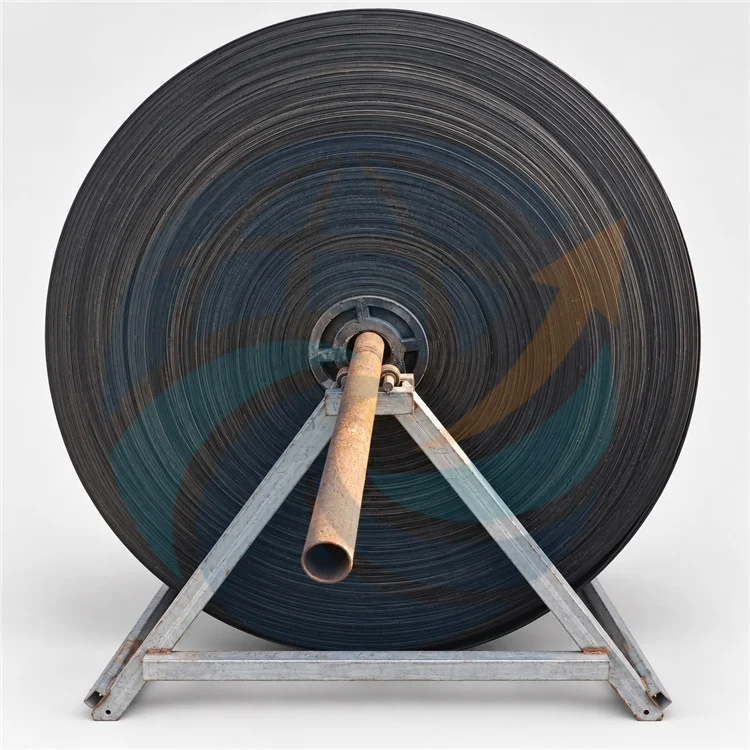
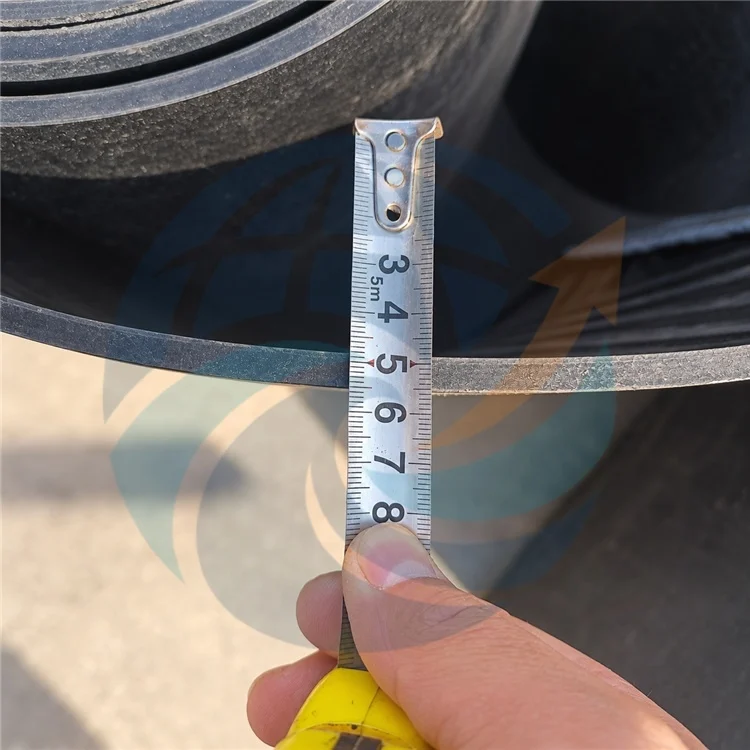
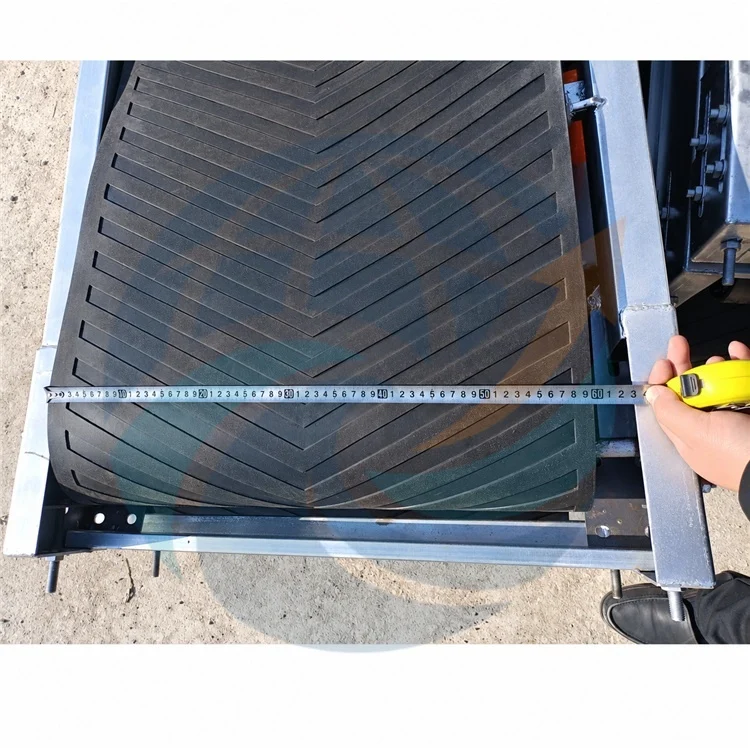
Belt Conveyor

Carry bulk materials between loading and discharge points along a defined route
Metallurgical Belt Conveyors Mining Belt Conveyors Port Belt Conveyors Transportation Belt Conveyors Chemical Industry Belt Conveyors Coal Belt Conveyors

Belt Conveyor

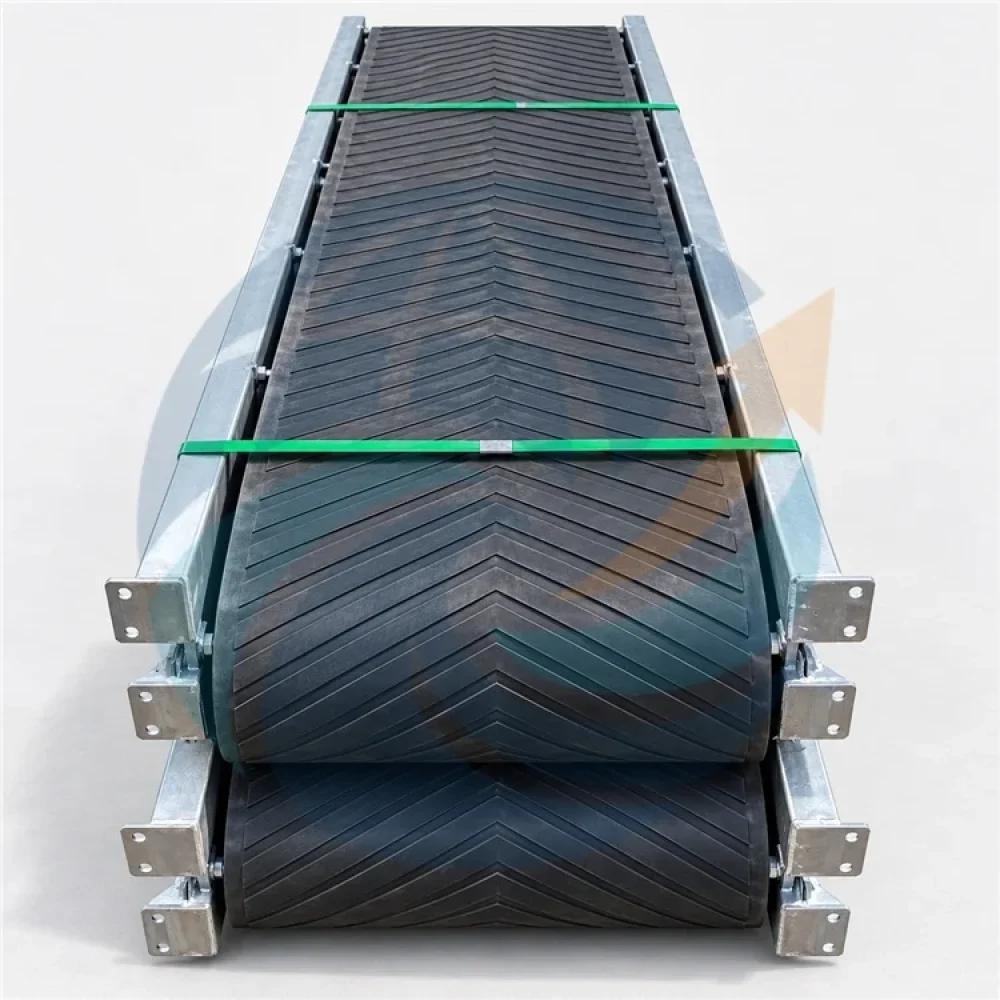
A belt conveyor carries material on a moving belt between loading and discharge points. Define the route, material and transfer conditions first. Belt selection and the supporting arrangement should follow the duty and available installation space.

A belt conveyor can connect loading, processing and collection stages. The transfer points deserve as much attention as the conveyor length: feed position, drop height and the receiving equipment affect how the system fits together. Specify the actual route before reviewing a belt arrangement.

  • Bulk material: Size, density, moisture and temperature.

  • Throughput: Normal and peak required rate.

  • Route: Length, elevation change and available width.
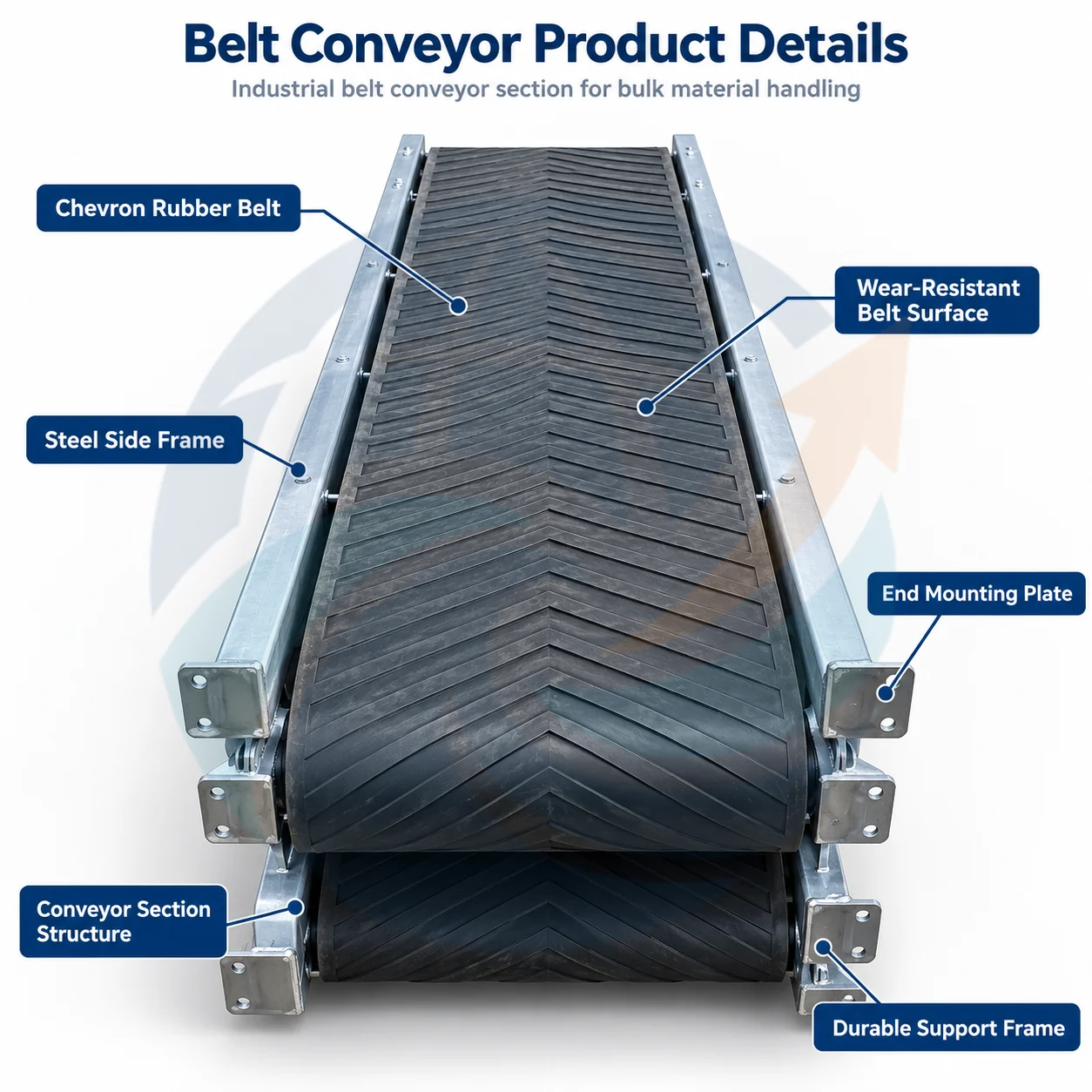
What to Confirm Before Ordering
Item What to Confirm
Bulk material Size, density, moisture and temperature
Throughput Normal and peak required rate
Route Length, elevation change and available width
Belt requirements Material contact, surface and cleaning needs
Loading points Feed height and upstream equipment
Installation Fixed/mobile requirement and site power supply

Details of Industrial Belt Conveyors

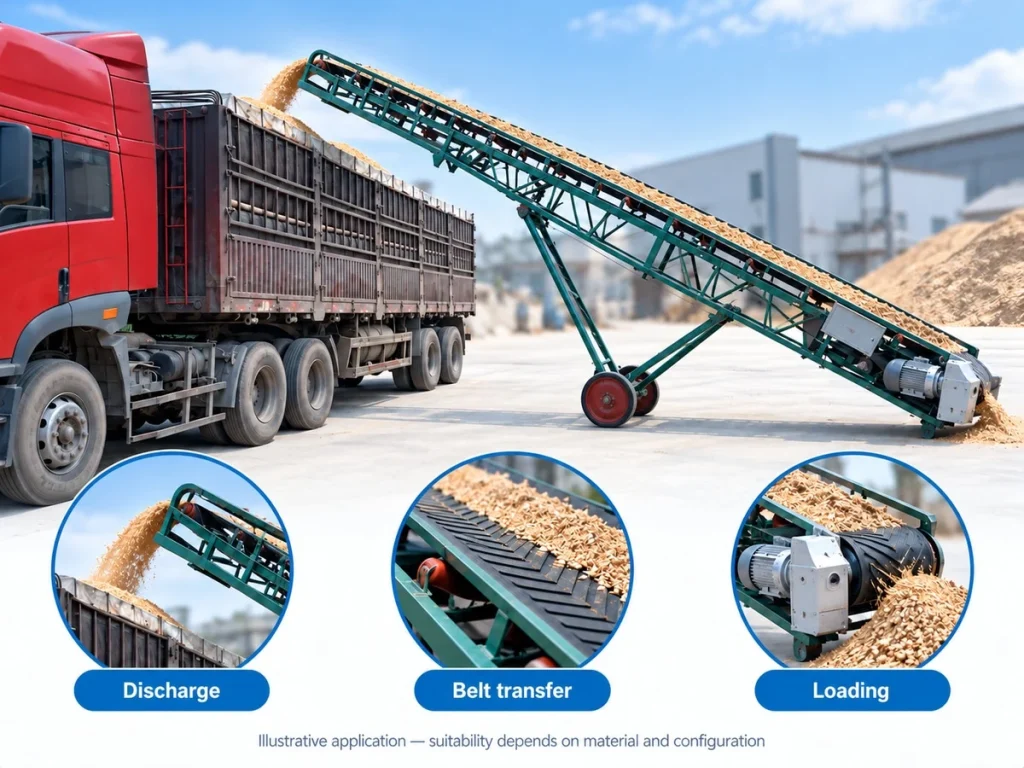
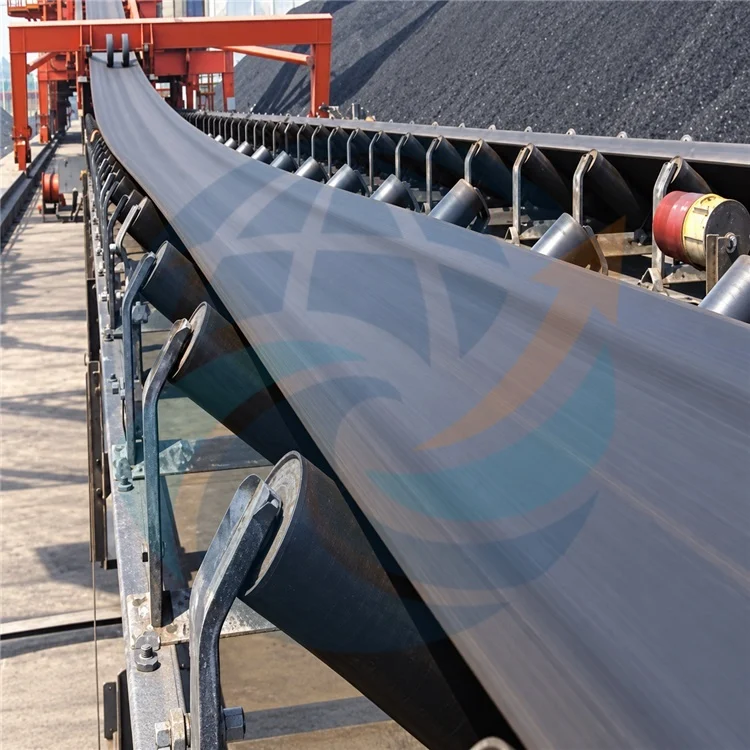
Illustration of belt conveyor: loading, belt transfer, discharge

Conveying Applications and Materials

Connecting Handling Equipment

A belt conveyor can connect loading, processing and collection stages. The transfer points deserve as much attention as the conveyor length: feed position, drop height and the receiving equipment affect how the system fits together. Specify the actual route before reviewing a belt arrangement.

Loading and Discharge

Describe the material loading point, feed height and the equipment at discharge. Include changes in feed rate and the required collection method. This helps clarify transfer points and the space needed around them.

Operating Duty

Share lump size, bulk density, moisture and temperature. Identify abrasion, sticking or product-contact requirements that need review. A belt material or surface should be specified against the actual material rather than selected from appearance.

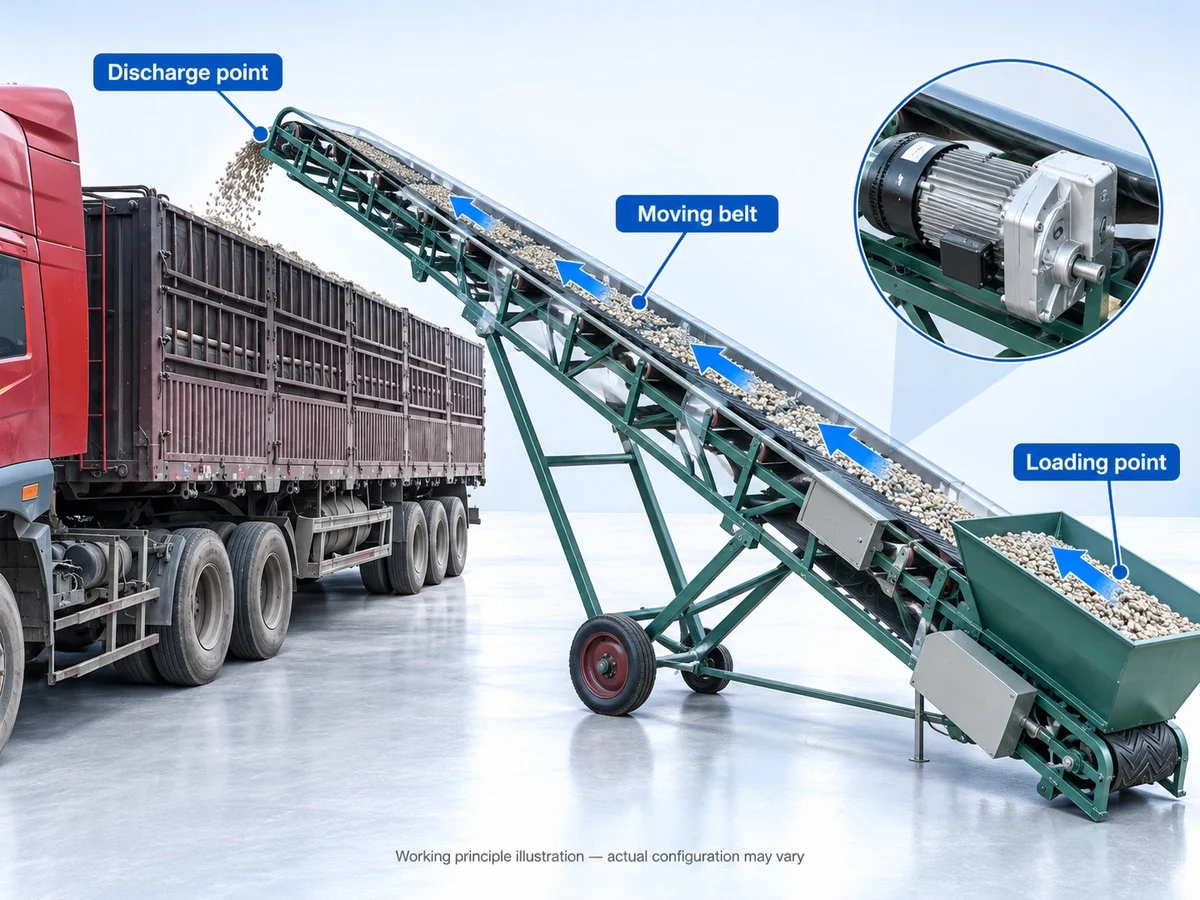
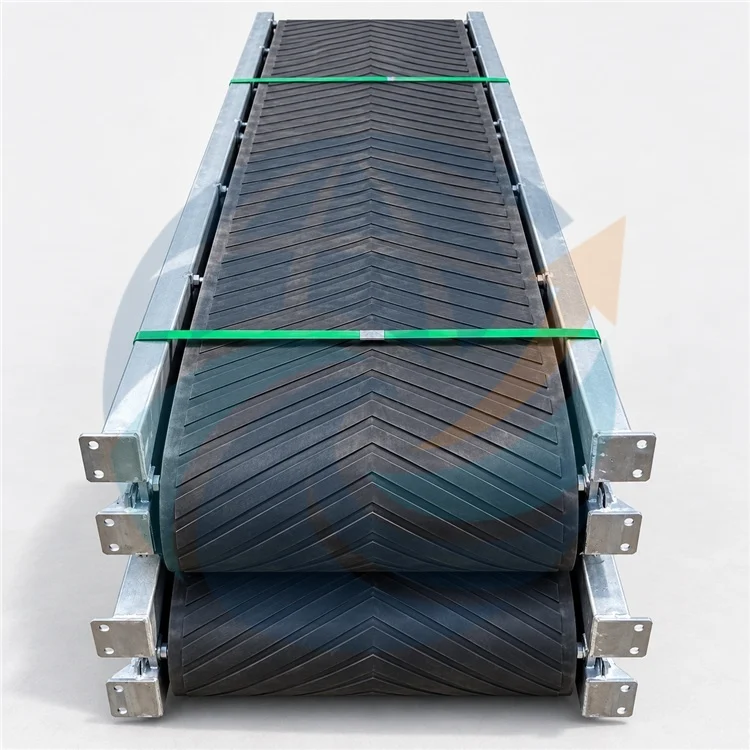
Illustration of belt conveyor: moving belt, loading point, discharge point

How the Belt Conveyor Works

Carrying Surface

A moving belt supports the material along the conveying route. The loading point places material onto the belt, and the discharge transfers it to the next stage. The belt surface and operating arrangement must be suitable for the material being carried.

Drive and Supports

The belt travels around its supporting and drive arrangement. Belt width, operating speed and support construction belong to the selected design. They cannot be established from a general product photograph.

Transfer Points

Loading and discharge connections determine how the conveyor joins other equipment. Covers, containment measures and cleaning provisions need to be specified for the actual transfer points. A general belt conveyor image does not demonstrate a sealed material-handling system.

Configuration, Cleaning and Installation

Belt Inspection and Access

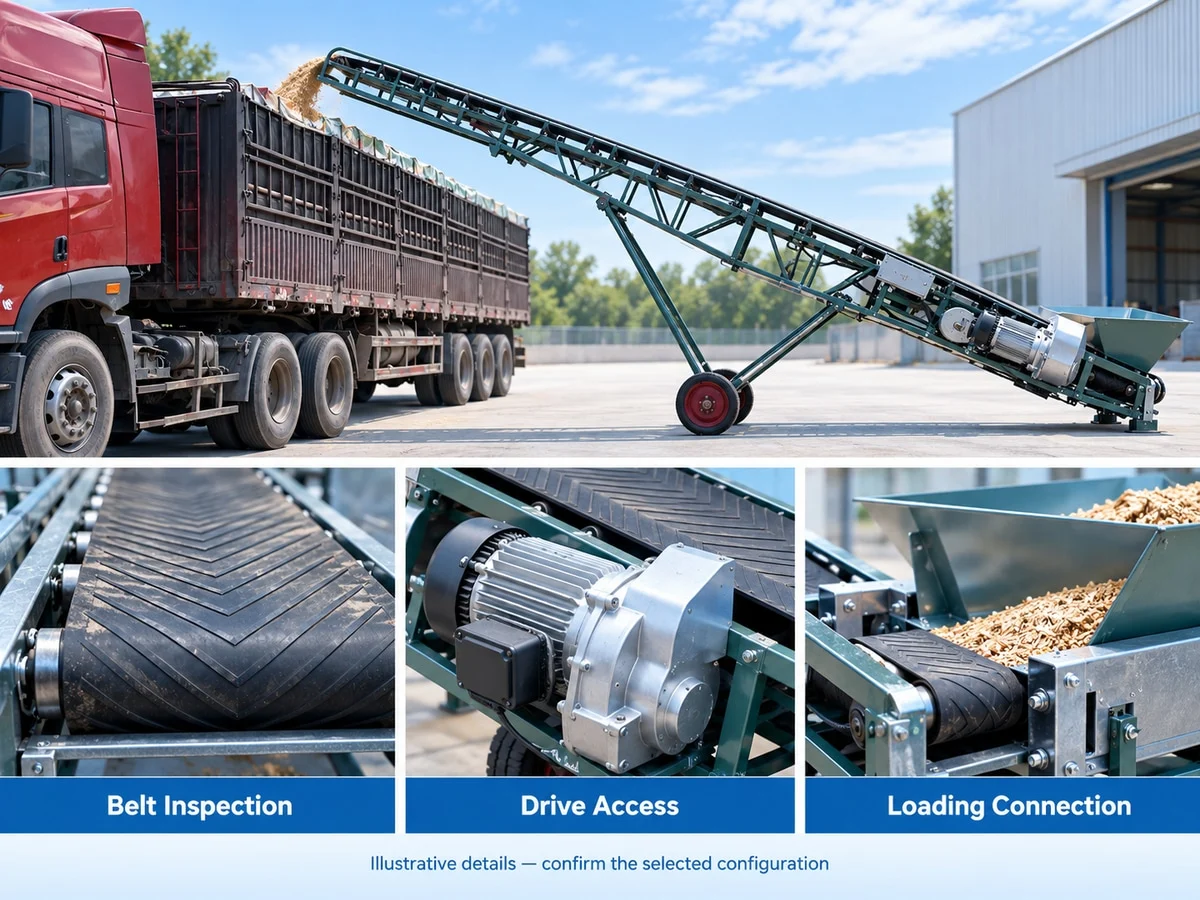
Provide room for inspection and maintenance around the belt and drive. Clarify cleaning needs at the loading and discharge points. Any mobile arrangement also needs its movement and operating support conditions confirmed separately.

Route and Operating Access

Provide conveyor length, elevation change and the available width. State whether the installation is fixed or needs mobility. Access for cleaning, belt inspection and maintenance should be included in the layout discussion.

Installation and Scope

Confirm the connection positions, available service space and electrical supply for the proposed belt conveyor. The quotation should identify the included drive, controls, supports and requested accessories. Check the agreed arrangement against the equipment documents before making permanent site connections.

Before Ordering

Include the destination country and your packing, documentation and spare-part requirements in the enquiry. Confirm the actual equipment configuration and commercial scope before placing an order. Any performance acceptance requirement should identify the material and operating conditions to be assessed.

Illustration of belt conveyor: belt inspection, drive access, loading connection, cleaning access

Related Products

Equipment Guide & Support

About HaoYuan

Xinxiang Haoyuan Trading Co., Ltd. is a China-based supplier of industrial screening and material handling equipment.

We help customers review equipment options, technical specifications and available configurations based on their processing requirements.

From equipment selection to order coordination, we work with manufacturers to clarify supply scope, packing and delivery arrangements.

Should I choose a fixed or mobile conveyor?
Base the choice on the operating layout and how often the transfer points change. Confirm the movement and support requirements before specifying a mobile arrangement.
The material size, throughput, loading conditions and belt arrangement must be reviewed together. A photograph is not enough to select width.
Provide the incline and material behaviour. The suitable belt and operating arrangement need to be checked for that route.
These transfer points need to match the upstream and downstream equipment. Share their positions, feed heights and containment requirements so the connection arrangement can be reviewed.

Send Your Inquiry Today

全局表单

Talk to an Engineer

全局表单