
High Frequency Vibrating Screens
Compact screening solutions for fine powders and suitable granular materials
What Is a High Frequency Vibrating Screen?
A high frequency vibrating screen is an industrial screening machine that uses rapid mechanical vibration to separate materials according to particle size. It can be considered for fine powder classification, oversize removal, and suitable granular material screening applications.
A compact circular high frequency screen typically consists of a screening deck, vibration motor, supporting springs, discharge outlets, and a supporting frame. During operation, vibration moves material across the screen surface, allowing smaller particles to pass through the mesh while oversized material is retained for separate discharge.
Screening performance depends on vibration settings, screen opening, feed rate, and material properties. The appropriate equipment configuration should be selected according to the required separation result and actual processing conditions.
When Should You Consider High Frequency Screening?
High frequency screening may be considered when fine particle separation, compact equipment design, or consistent material movement is required. However, not every powder or granular material is suitable for the same screening configuration.
To evaluate the right equipment for your application, please provide:
Material Properties: Material name, particle size distribution, moisture, and bulk density.
Screening Requirements: Target screen opening, required separation result, and processing capacity (kg/h).
Operating Conditions: Dry or wet material, feeding method, installation space, and any existing screening problems.
For more information, see our vibrating screen selection guide.
High Frequency Vibrating Screen Applications by Industry
Explore fine screening applications across food, chemical, ceramic, and other processing industries
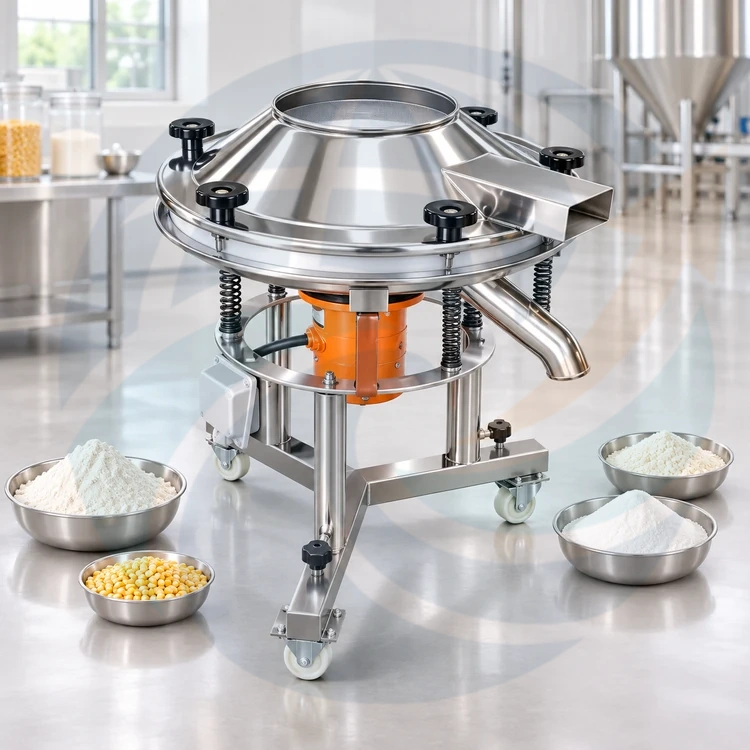
High Frequency Screen for Food Processing
Screen suitable food powders and ingredients for particle grading and oversize removal
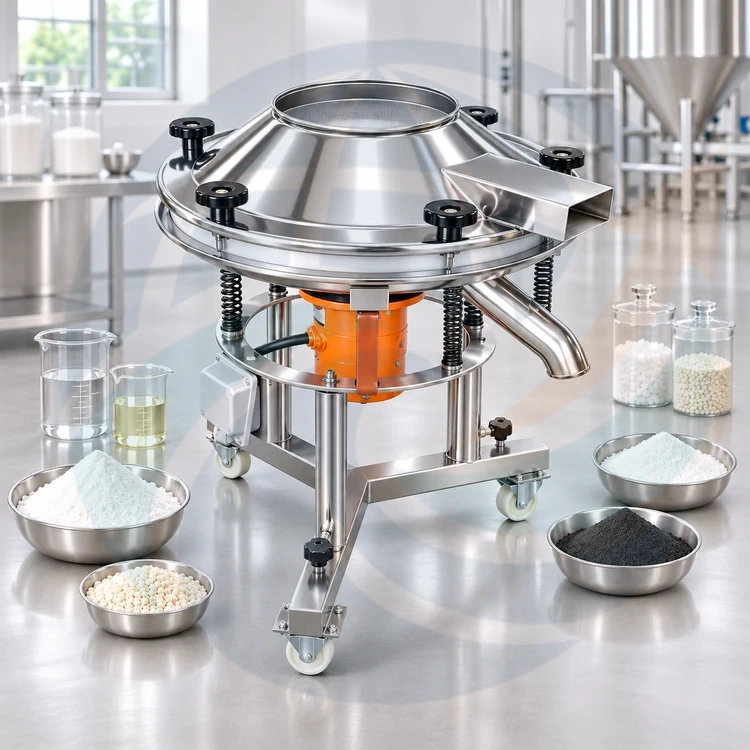
High Frequency Screen for Chemical Processing
Classify chemical powders and additives by particle size for consistent screening
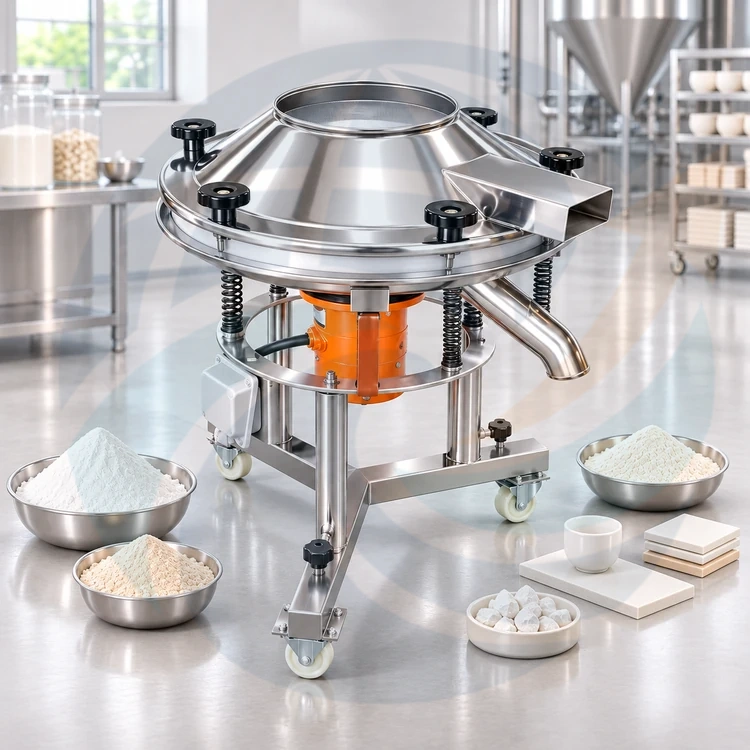
High Frequency Screen for Ceramic Processing
Screen ceramic powders and suitable glaze materials for particle separation and impurity removal
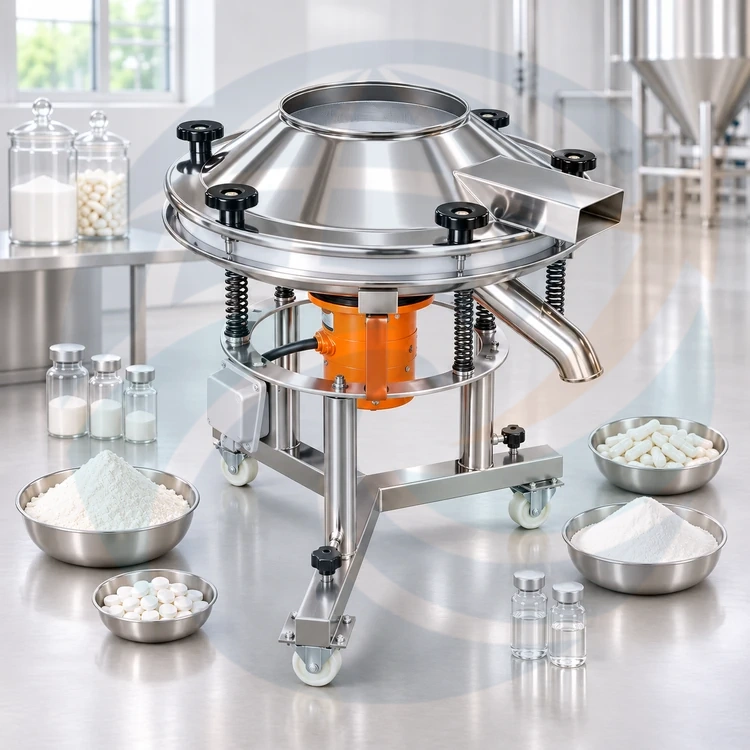
High Frequency Screen for Pharmaceutical Processing
Evaluate powder screening with attention to particle size, cleaning, and material compatibility
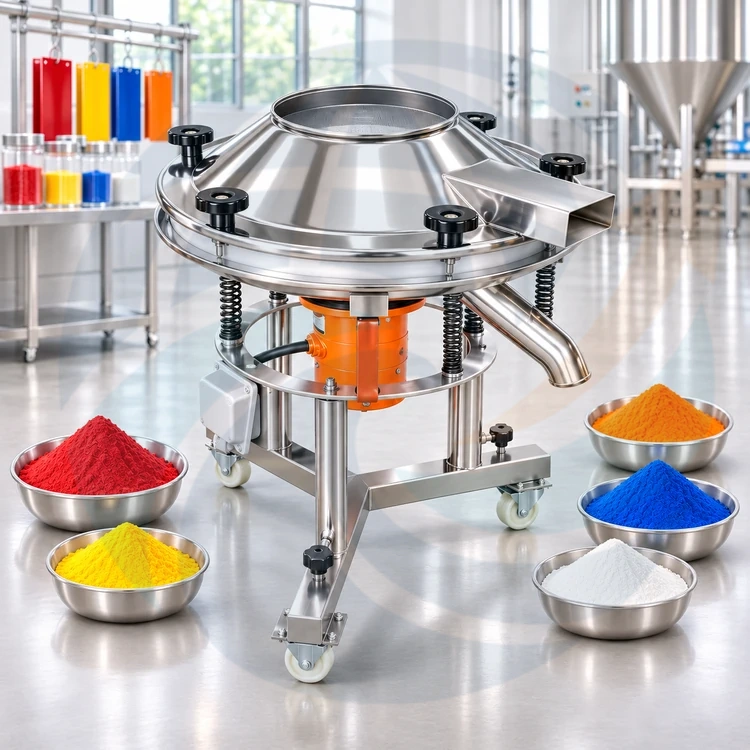
High Frequency Screen for Powder Coatings
Screen coating powders and pigments to remove oversized particles before further processing
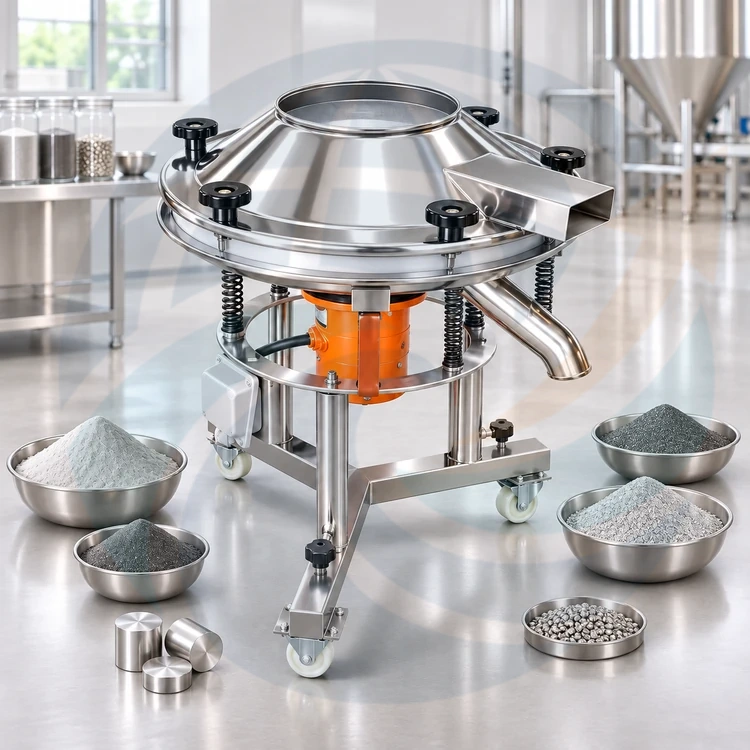
High Frequency Screen for Metal Powders
Classify suitable metal powders by particle size while considering screen wear and contamination
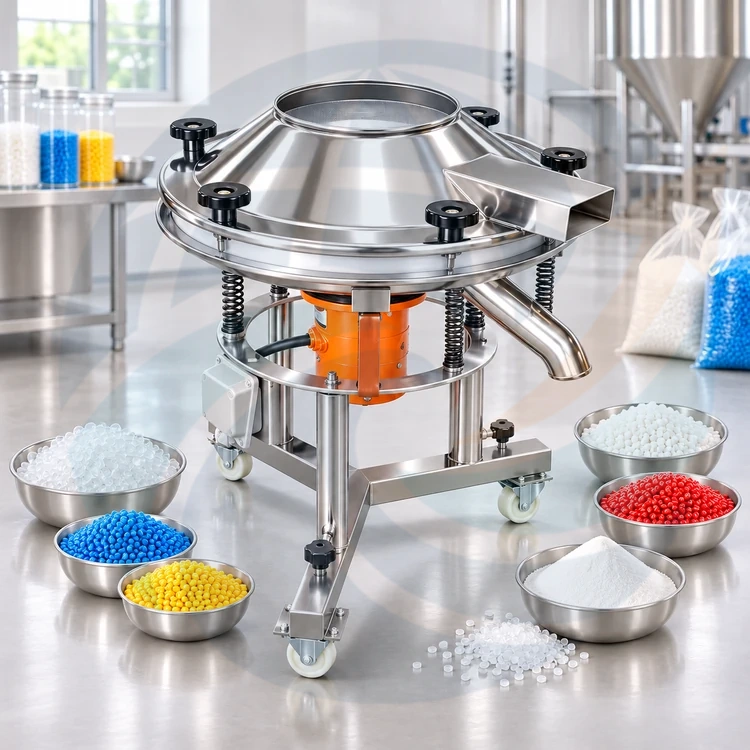
High Frequency Screen for Plastics & Resins
Separate suitable resin powders and plastic granules according to the required screen opening
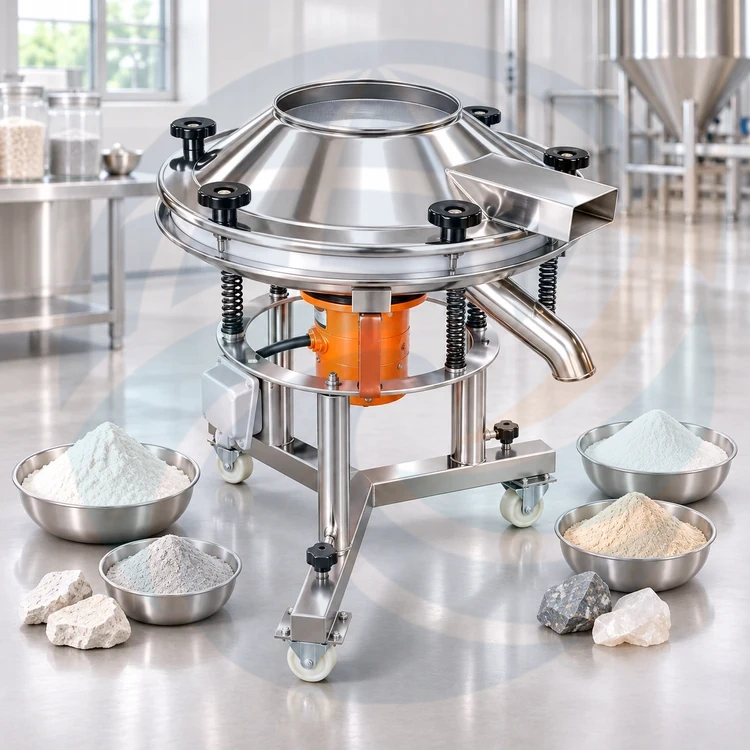
High Frequency Screen for Industrial Minerals
Screen fine mineral powders for particle grading and removal of oversized material
High Frequency Vibrating Screens by Material
Explore high frequency screening solutions for different powders and granular materials
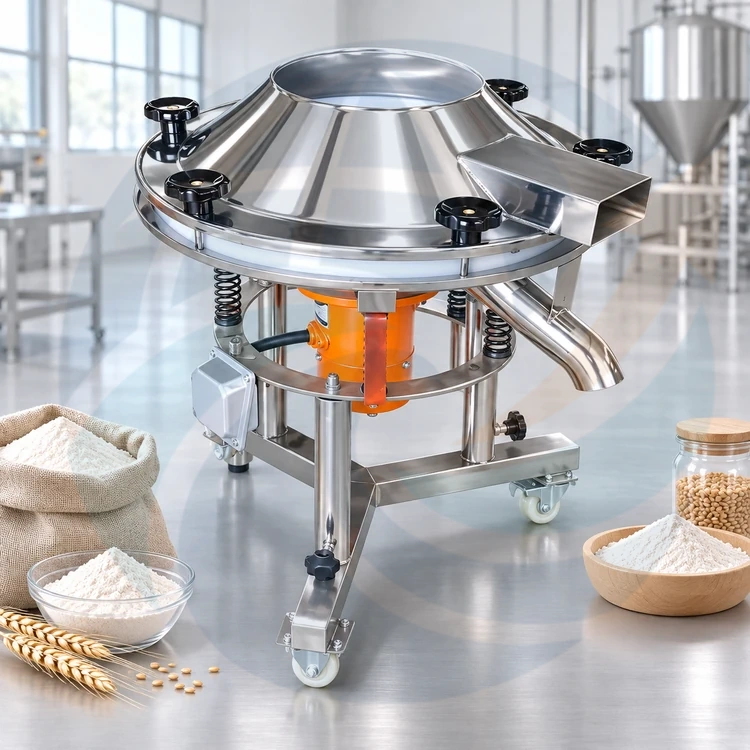
High Frequency Screen for Wheat Flour
Screen suitable dry flour to remove oversized particles before further ingredient processing
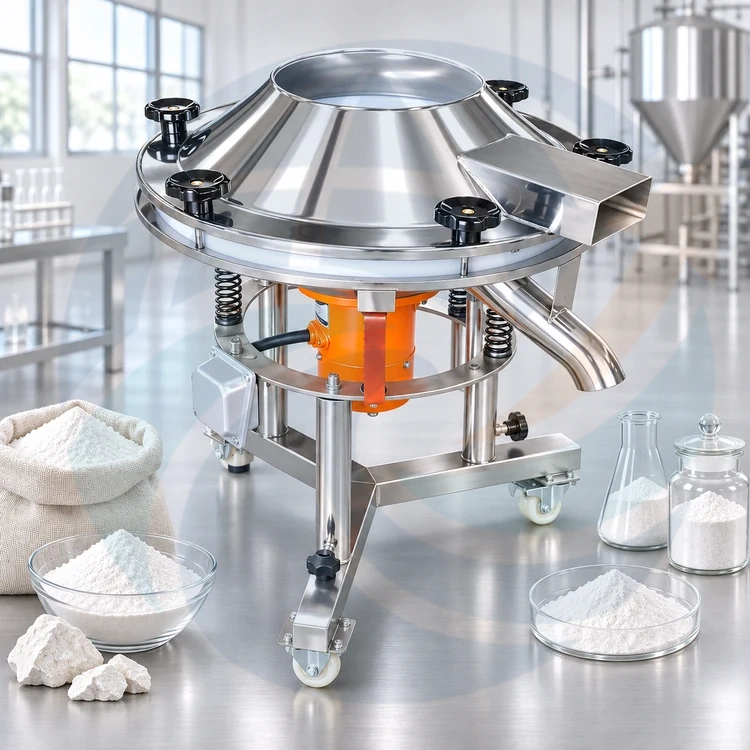
High Frequency Screen for Calcium Carbonate
Classify calcium carbonate powder while considering particle size, flowability, and screen blinding
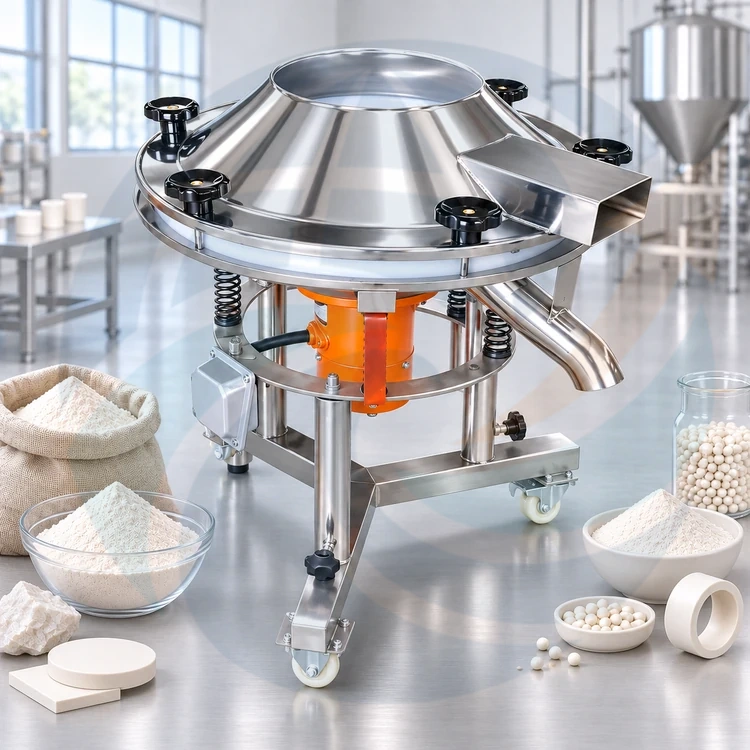
High Frequency Screen for Alumina Powder
Separate alumina powder by size while accounting for abrasive wear and mesh selection
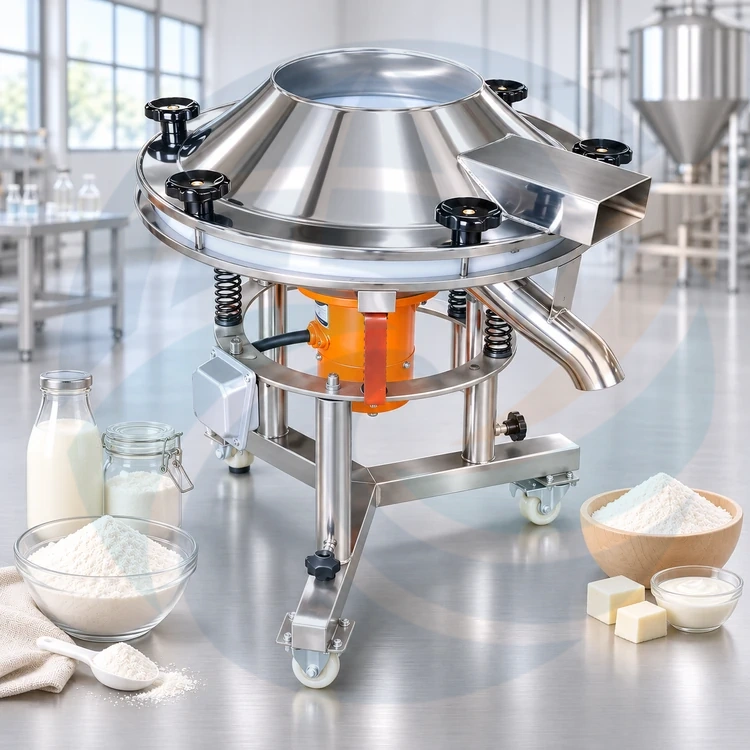
High Frequency Screen for Lactose Powder
Evaluate lactose powder screening with attention to cleaning, particle size, and material compatibility
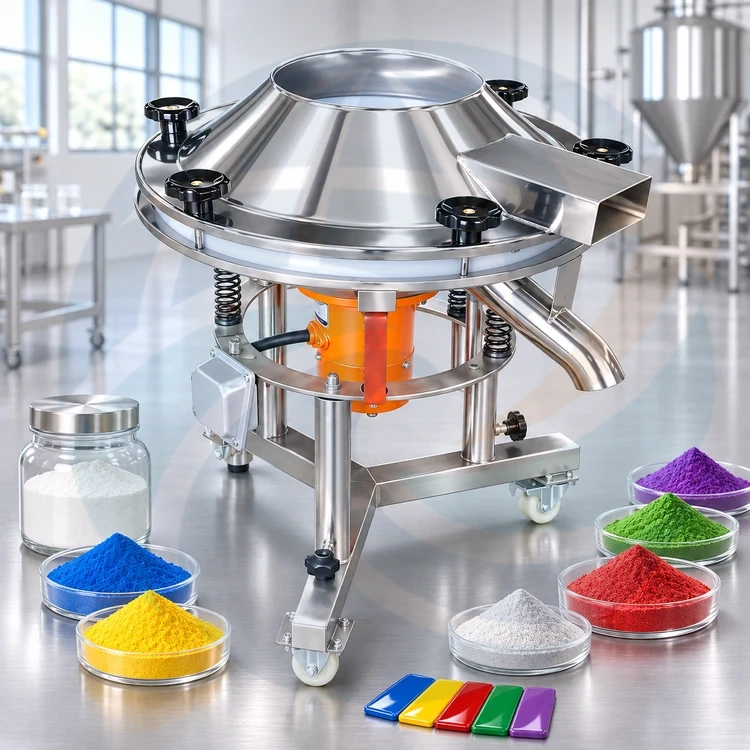
High Frequency Screen for Epoxy Resin Powder
Screen epoxy resin powder for oversized particles while considering material flow
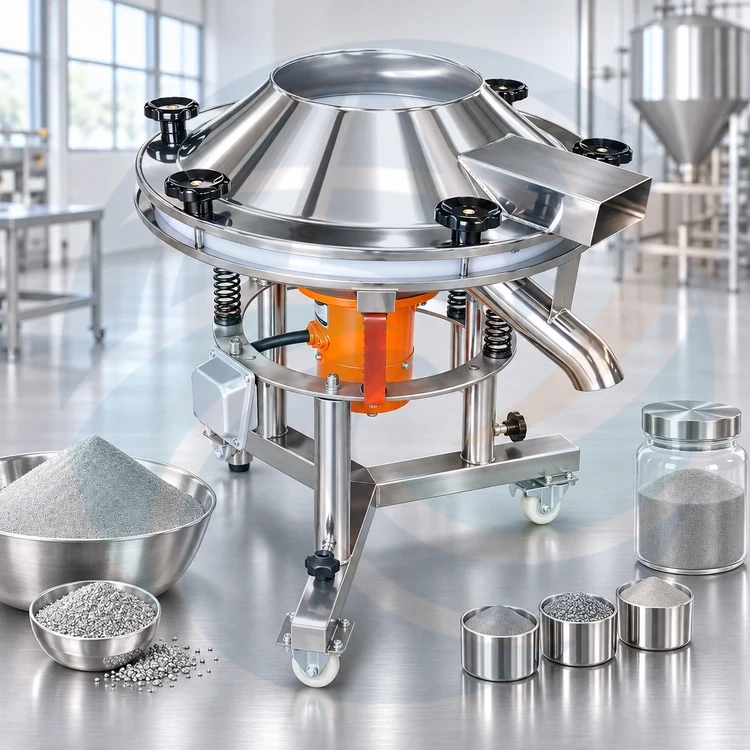
High Frequency Screen for Stainless Steel Powder
Grade stainless steel powder by particle size with attention to dust and contamination
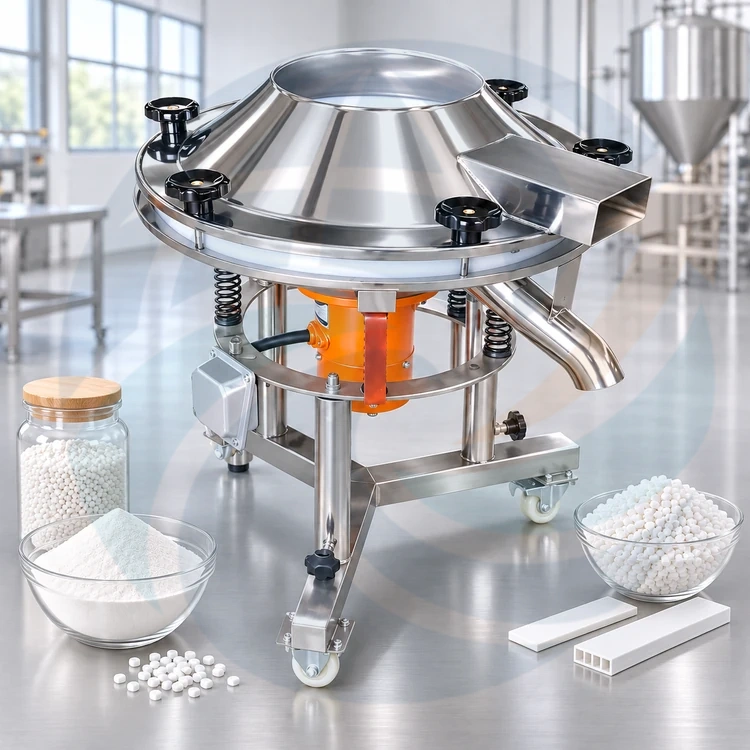
High Frequency Screen for PVC Resin
Classify PVC resin granules by particle size and screening requirements
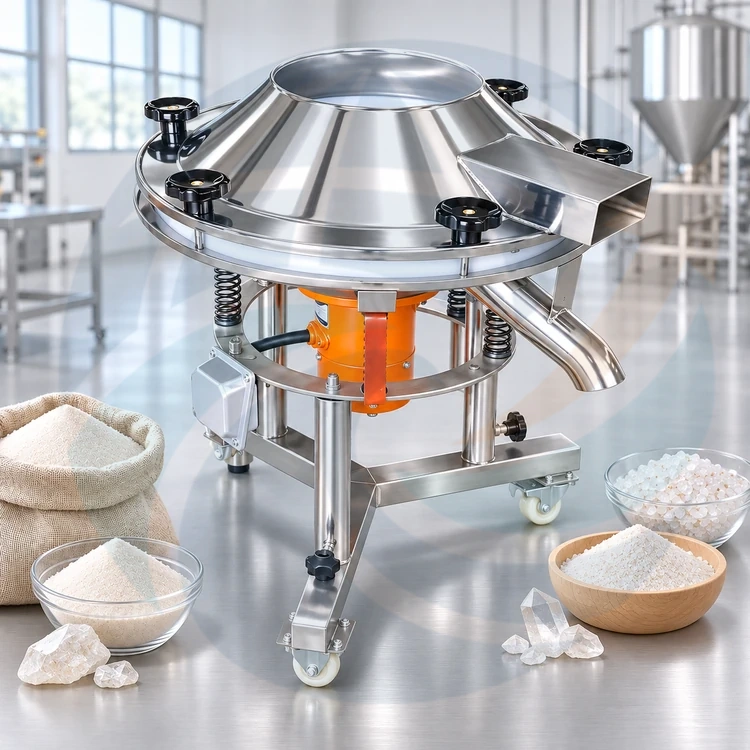
High Frequency Screen for Quartz Sand
Grade dry quartz sand while evaluating screen wear, particle size, and throughput
Why Choose Our High Frequency Vibrating Screen?
Fine powders and granular materials require suitable screening conditions to achieve the desired particle separation. A high frequency vibrating screen uses rapid mechanical vibration to move material across the screen surface and separate particles according to the selected mesh opening.
HaoYuan offers compact circular screening equipment with stainless steel screen components, spring-supported structures, and discharge outlets. Equipment selection should consider material properties, screen aperture, required capacity, and installation conditions.
Whether you are selecting a new screening machine or reviewing an existing process, we can help evaluate suitable configurations based on your material and separation requirements.
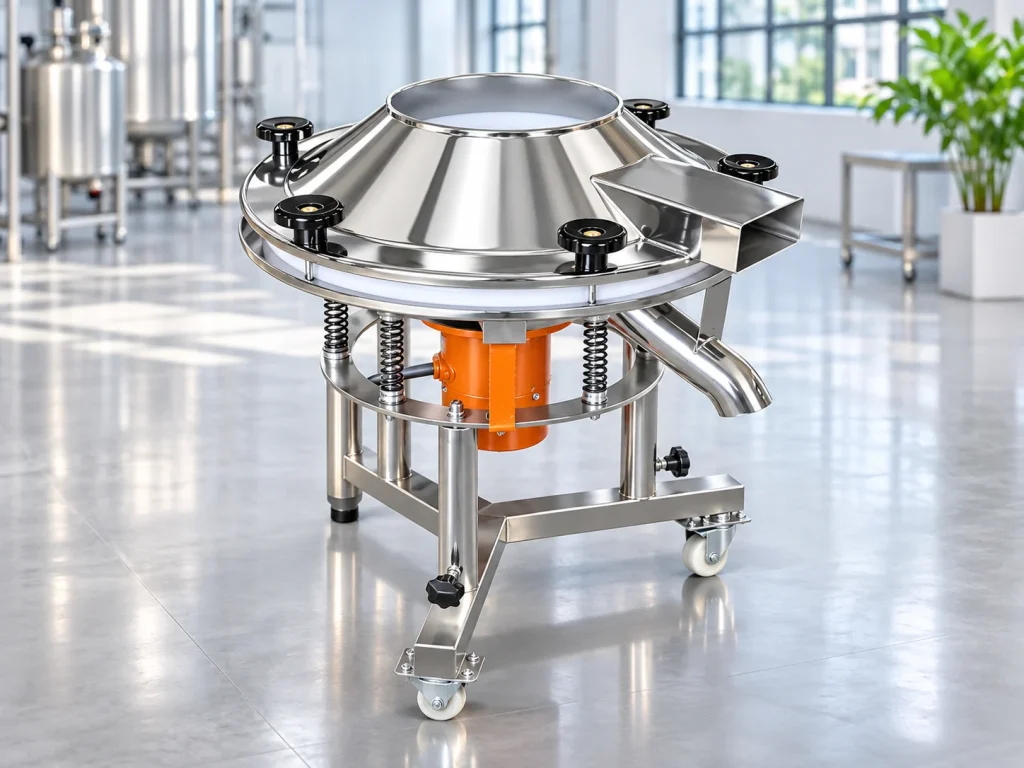
High Frequency Vibrating Screen Applications
High frequency vibrating screens can be considered for particle size classification, oversize removal, and screening of suitable dry powders and granular materials.
Potential applications include chemical additives, ceramic powders, mineral materials, resin powders, and selected food ingredients. The required screen opening, material flowability, and feeding conditions should be evaluated for each application.
For materials with high moisture, strong adhesion, or abrasive characteristics, additional screening tests or equipment adjustments may be required.
Share your material, target particle size, and required capacity to discuss a suitable screening arrangement.
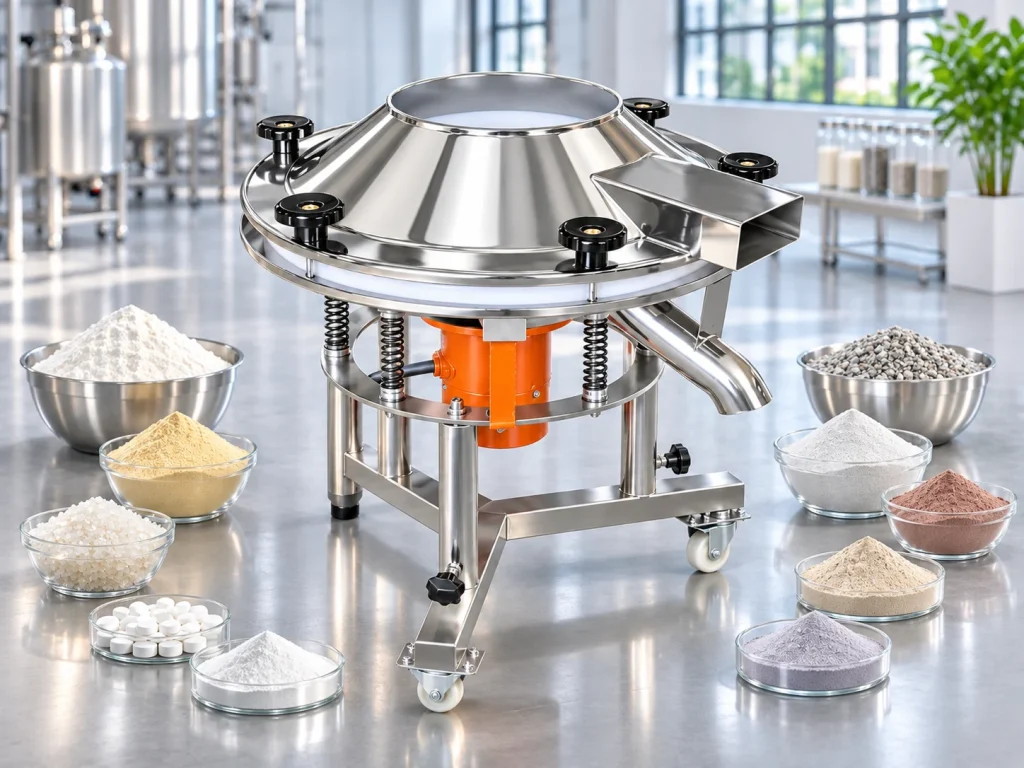
What to Confirm Before Selecting a High Frequency Vibrating Screen
Share your material, screen opening, and capacity requirements to help us evaluate a suitable configuration
| Information | What to Share |
|---|---|
| Material Properties | Material name, particle size distribution, moisture, bulk density, and flowability. |
| Screening Objective | Particle size classification, oversize removal, or other required separation results. |
| Screen Opening | Required aperture in micrometers or millimeters, or mesh count with the applicable standard. |
| Required Capacity | Target throughput in kg/h or t/h, including operating requirements. |
| Feed Conditions | Dry or moist material, feeding method, and continuous or batch operation. |
| Vibration Configuration | Required screening performance and any existing vibration or material flow issues. |
| Decks and Outlets | Number of separation stages, product fractions, and discharge connections. |
| Contact Parts and Cleaning | Contact material requirements, wear resistance, cleaning, and contamination control. |
| Dust and Safety | Dust containment needs, combustible dust risks, and applicable site safety requirements. |
| Installation | Available space, inlet and outlet positions, power supply, and equipment connections. |
Explore Related Equipment
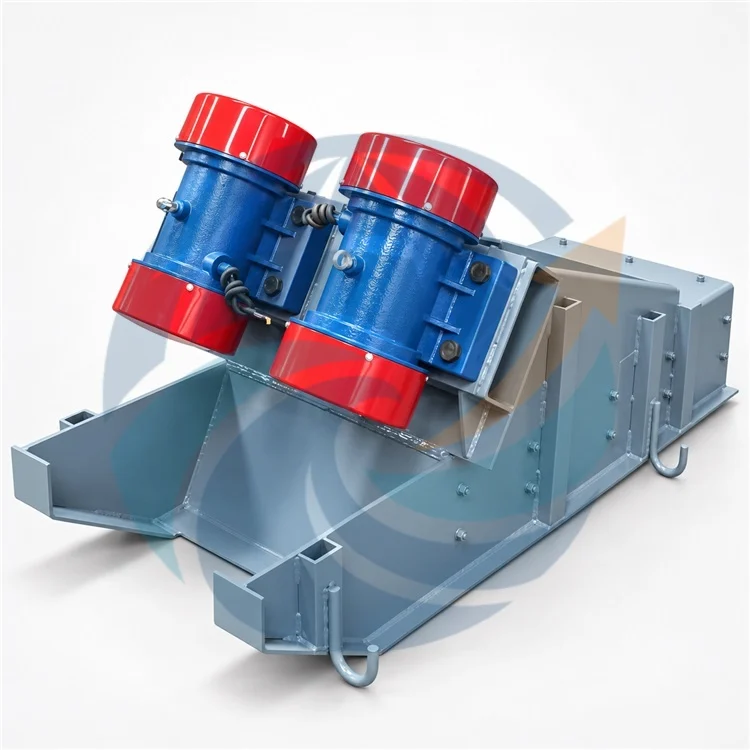
Vibrating Feeder
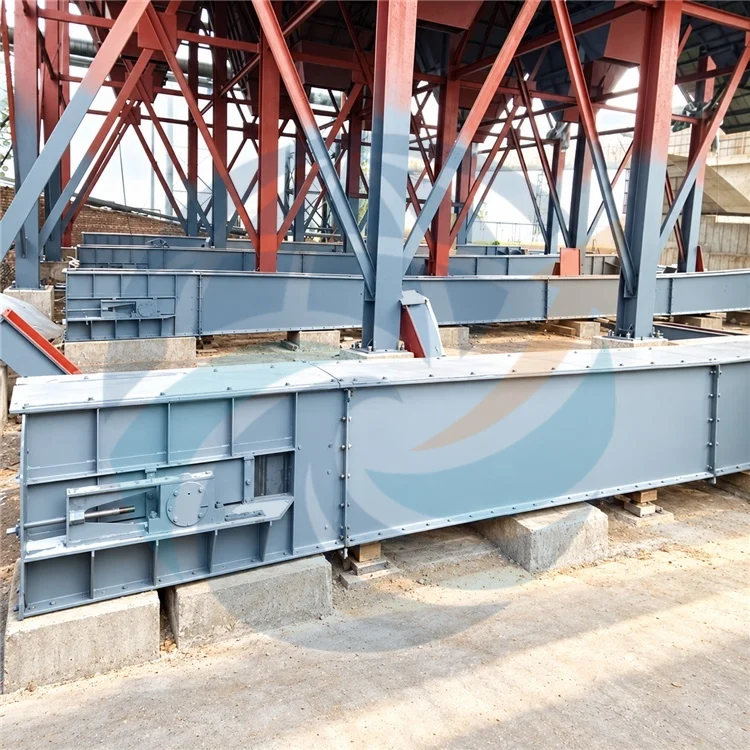
Drag Chain Conveyor
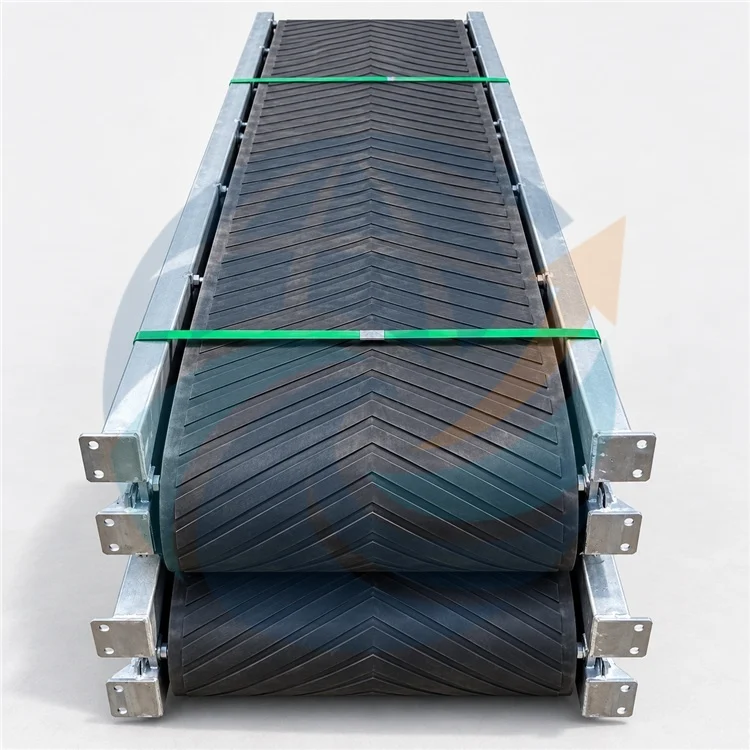
Belt Conveyor
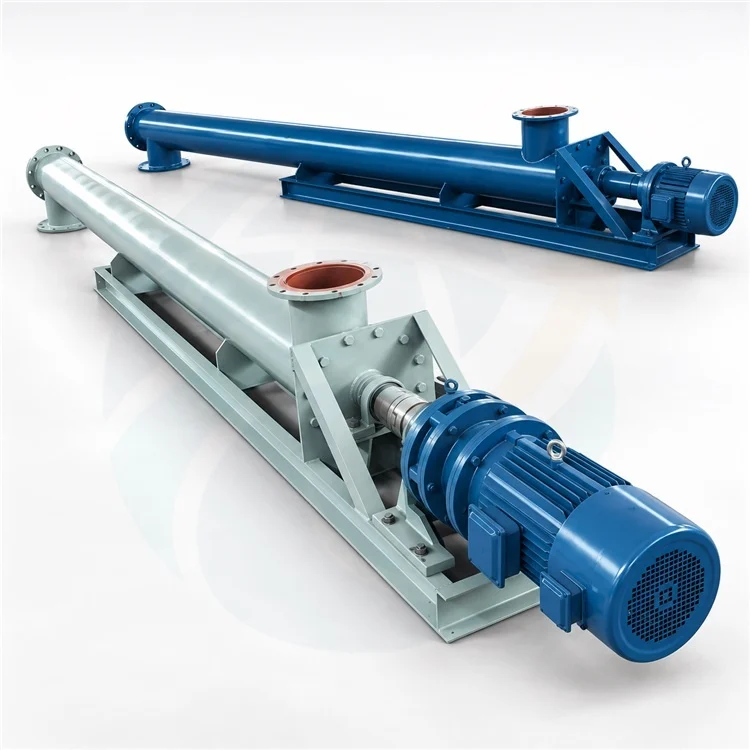
Screw Conveyor
High Frequency Vibrating Screen FAQs
1. What is a high frequency vibrating screen used for?
A high frequency vibrating screen is used for particle size classification and oversize removal. It can screen suitable fine powders and granular materials in food, chemical, ceramic, mineral, and other industrial processing applications.
2. How is a high frequency vibrating screen different from a rotary vibrating screen?
Both machines use mechanical vibration to separate particles. However, they may differ in vibration frequency, amplitude, screen structure, and material movement. The appropriate option depends on the material, required screen opening, and processing capacity.
3. What mesh size can a high frequency vibrating screen handle?
The suitable mesh size depends on the equipment configuration, material particle size, moisture, and flowability. Screen openings should be specified in micrometers or millimeters, or by mesh count with the applicable standard.
4. What affects high frequency vibrating screen capacity?
Screening capacity depends on material properties, screen area, aperture size, vibration settings, and feeding conditions. Actual throughput should be evaluated against the required separation result rather than relying on a fixed capacity figure.
5. Can a high frequency vibrating screen handle different powders and granules?
Yes, suitable configurations can be considered for materials such as flour, calcium carbonate, ceramic powders, resin powders, and selected metal powders. Material flowability, abrasiveness, moisture, and applicable safety requirements should be assessed before selection.
6. How do you maintain a high frequency vibrating screen?
Regular maintenance includes checking the screen mesh, fasteners, supporting springs, vibration motor, and discharge outlets. Cleaning procedures and inspection intervals should follow the equipment instructions and the requirements of the processed material.
7. What information is needed for a high frequency vibrating screen quotation?
Please provide the material name, particle size distribution, required screen opening, target capacity, moisture content, and feeding conditions. Installation requirements and any existing screening problems will also help us evaluate a suitable configuration.
High Frequency Screen Inquiry
Tell us your material and the separation you need
 English
 French
 German
 Indonesian
 Korean
 Malay
 Japanese