
Mechanical Sieve Shaker for Laboratory Testing
Mechanical tapping and sieving for particle size analysis of powders, sand, minerals, and granular materials
What Is a Mechanical Sieve Shaker?
A mechanical sieve shaker is laboratory testing equipment used to separate dry powder and granular samples into different particle size fractions. It uses a stack of test sieves to support particle size analysis, material inspection, and routine quality control.
Unlike vibration-only testing equipment, a tap-type mechanical sieve shaker introduces repeated mechanical tapping during the sieving process. This action helps move particles across the sieve surfaces and supports separation according to the selected mesh openings.
During testing, a sample is placed in the upper sieve of the stack. Smaller particles pass through the mesh openings, while larger particles remain on the corresponding sieve layers. The retained material can then be collected and weighed according to the chosen test procedure.
HaoYuan offers mechanical sieving solutions for laboratories and industrial quality control applications. Buyers looking for other laboratory testing options can also explore HaoYuan’s Sieve Shaker for Laboratory Testing page.
When Should You Use a Tap-Type Shaker?
Mechanical tapping is useful when the selected laboratory testing procedure requires this type of sieve movement. It can be considered for suitable dry powders, sand, minerals, and granular samples.
Laboratories and quality control teams may use this equipment to compare particle size fractions between batches, inspect incoming raw materials, or evaluate samples before further processing.
Selecting the appropriate equipment depends on the sample characteristics, sieve diameter, mesh openings, and testing method. For technical reference, the ASTM E11 standard describes requirements for woven-wire test sieve cloth and test sieves.
Mechanical Sieve Shaker Applications by Industry
Explore laboratory particle size testing applications across construction, mining, chemical processing, food ingredients, and material research
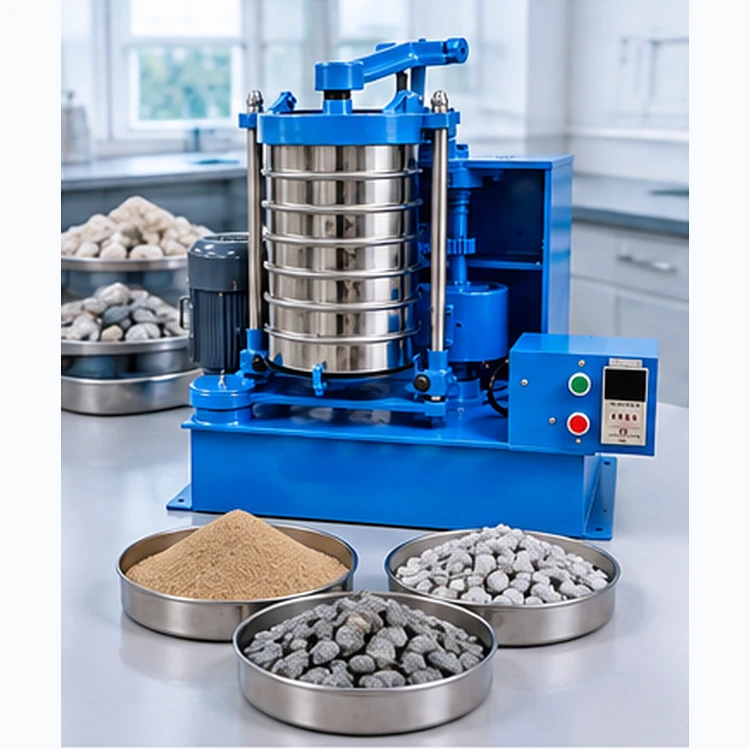
Sand & Aggregate Testing
Evaluate particle size distribution in sand and fine aggregates for laboratory testing
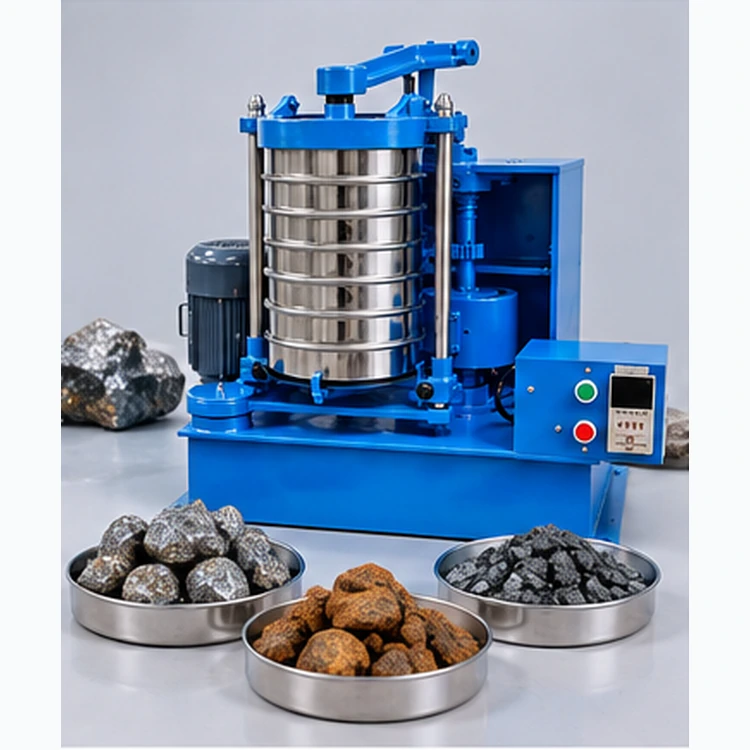
Mining & Mineral Analysis
Separate prepared mineral and ore samples into particle size fractions for laboratory evaluation
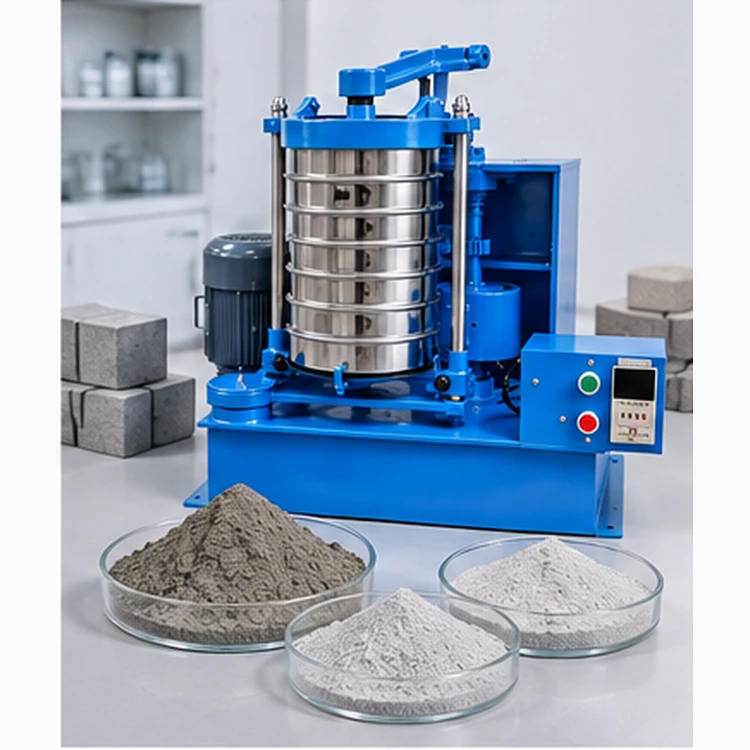
Cement & Building Materials
Check particle size fractions in suitable dry cement-related and construction material samples
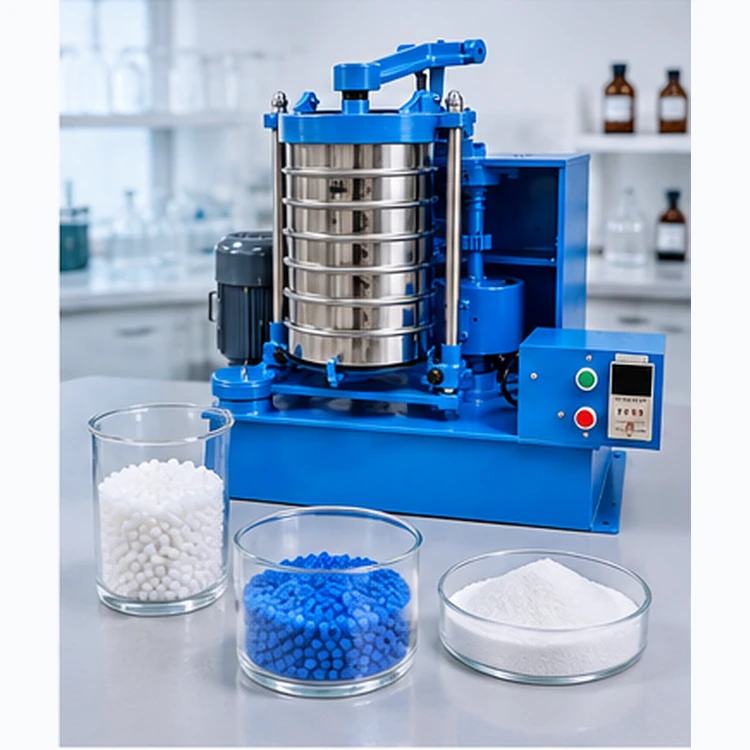
Chemical Powder Testing
Analyze particle size distribution in compatible dry resins, chemical powders, and granular materials
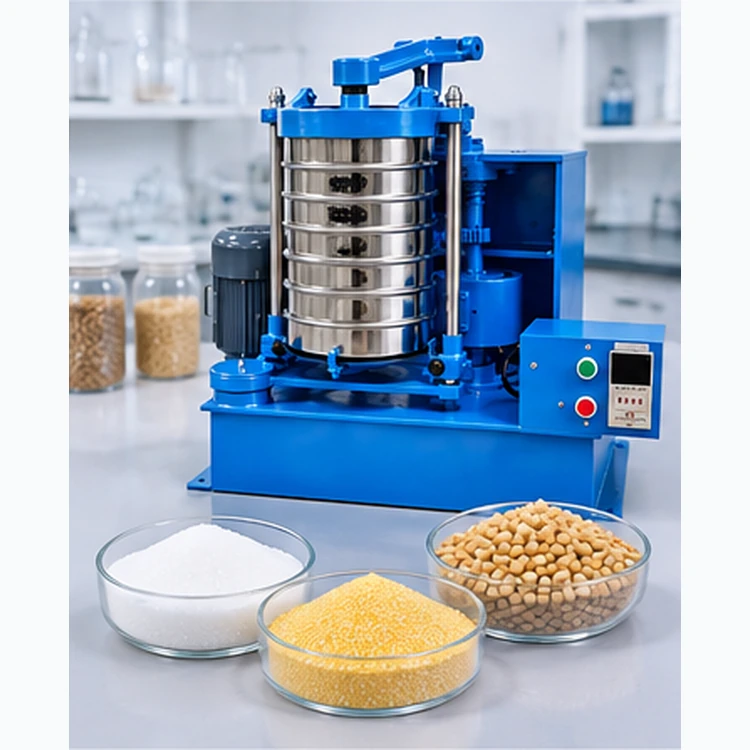
Food Ingredient Testing
Examine particle size consistency in suitable dry sugar, grain, and food ingredient samples
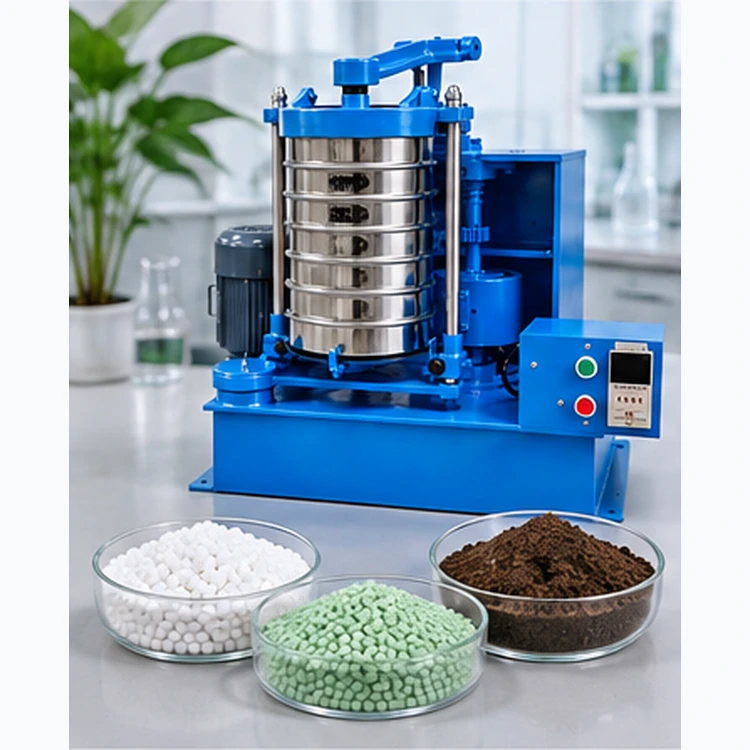
Fertilizer & Soil Analysis
Grade fertilizer granules and prepared dry soil samples for laboratory quality checks
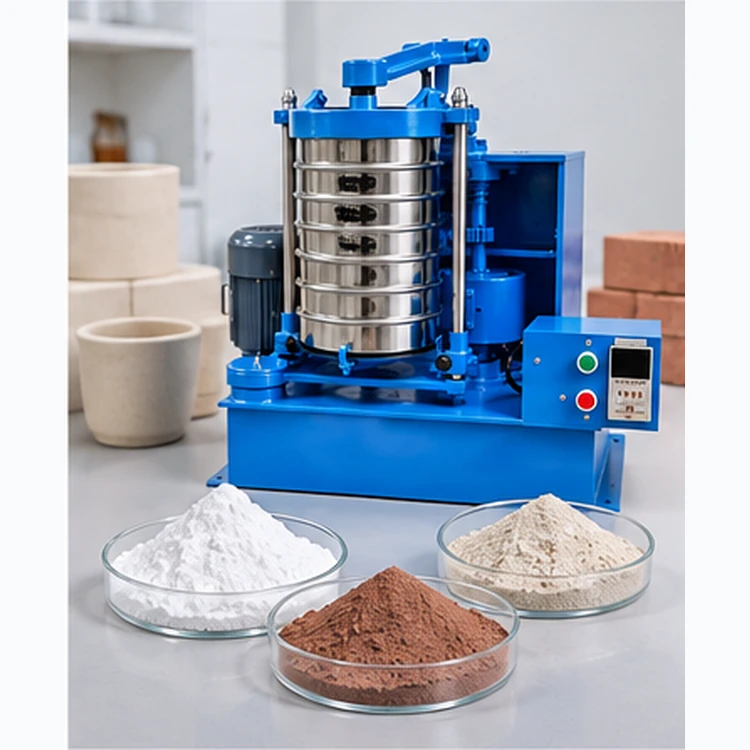
Ceramic & Refractory Testing
Evaluate particle size fractions in kaolin, refractory powders, and suitable ceramic raw materials
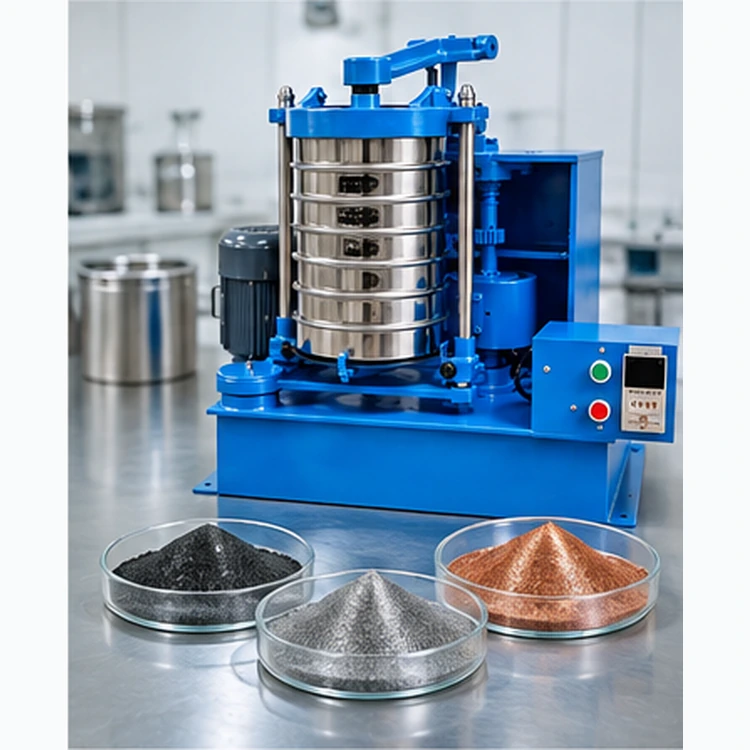
Metal Powder Analysis
Test suitable metal and alloy powder samples under appropriate laboratory safety controls
For production-scale dry ingredient screening, explore HaoYuan’s Équipement de tamisage des poudres alimentaires.
For general laboratory test sieving methods, refer to ISO 2591-1.
Mechanical Sieve Shaker Screening Solutions by Material
Explore laboratory sieve testing options for dry powders, minerals, and granular materials
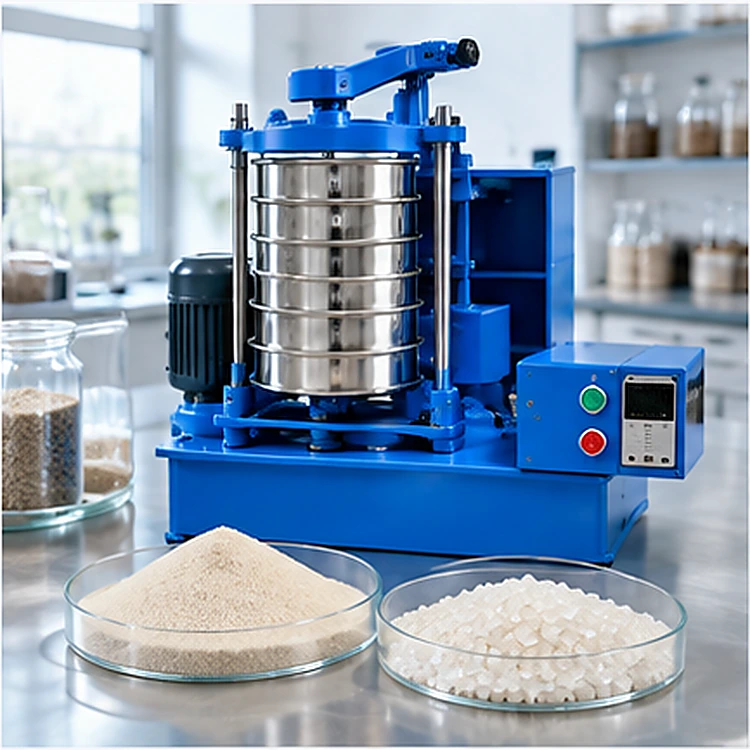
Quartz Sand
Measure particle size distribution in dry quartz sand samples
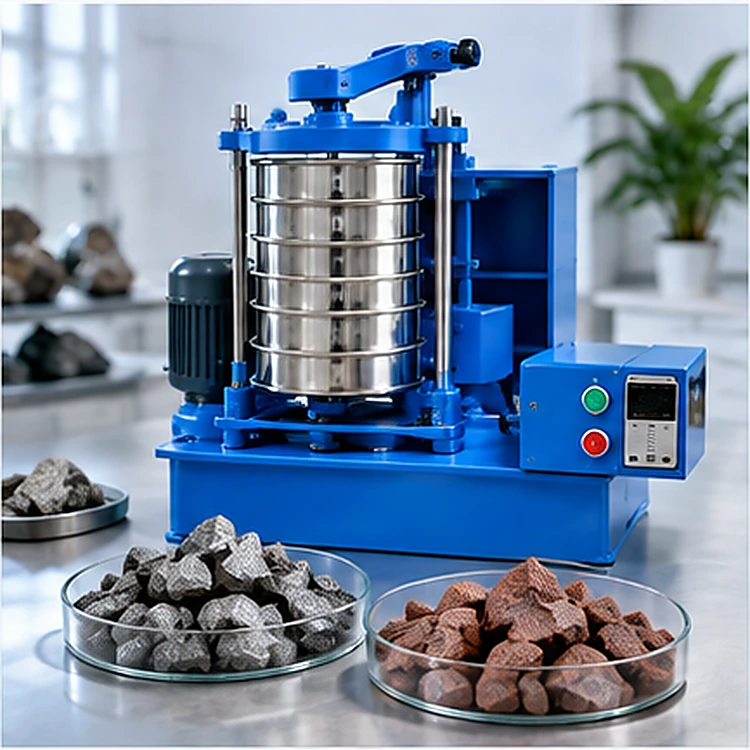
Crushed Iron Ore
Separate prepared crushed ore into particle size fractions for laboratory analysis.
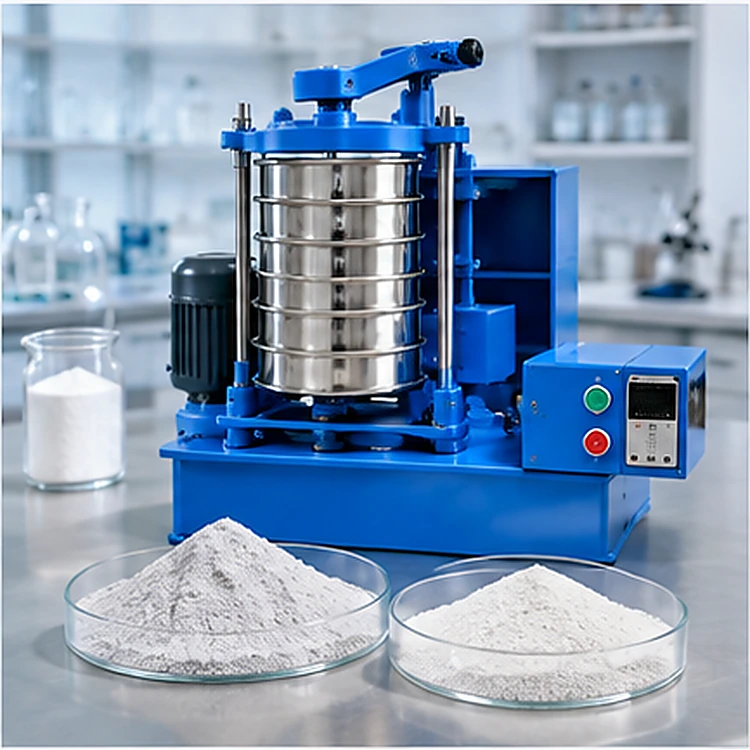
Limestone Powder
Assess particle size fractions in suitable dry limestone powder samples
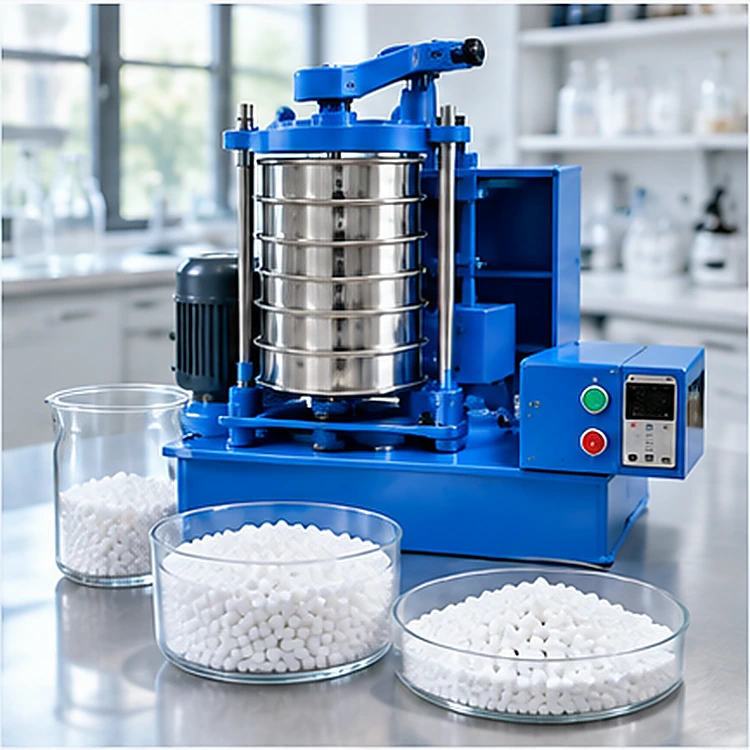
PVC Resin Granules
Grade dry PVC resin granules to evaluate particle size consistency
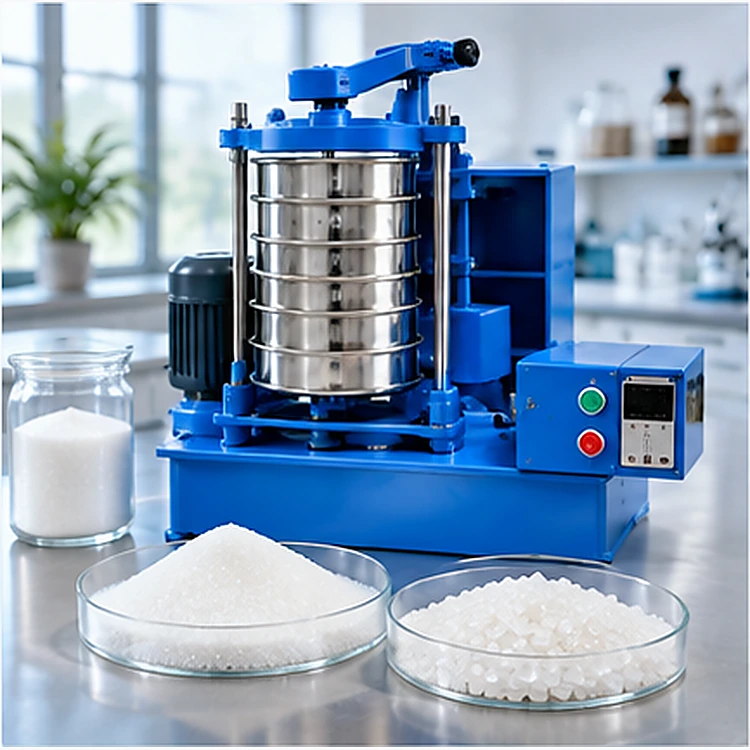
Granulated Sugar
Check sugar particle size distribution during laboratory ingredient testing
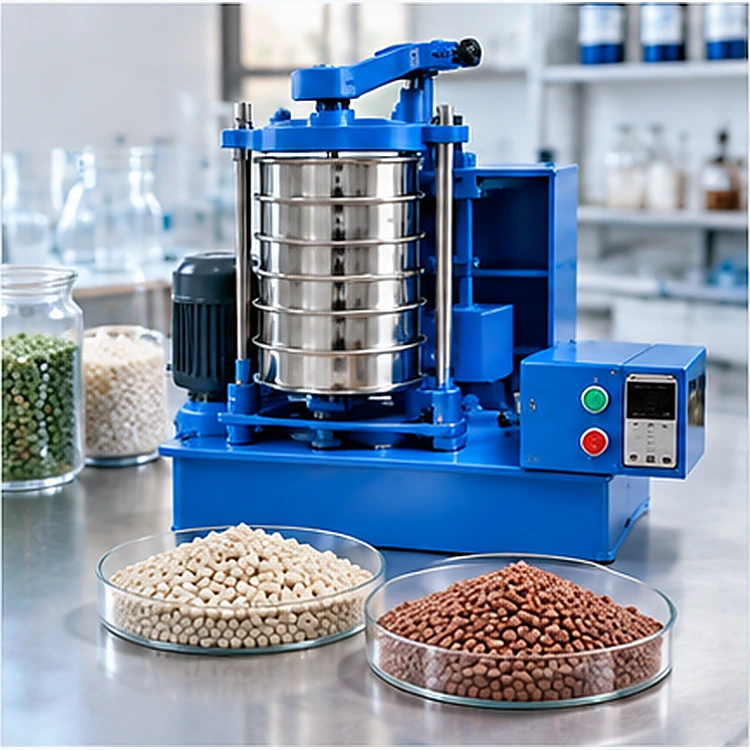
Fertilizer Granules
Evaluate fertilizer granule size ranges for routine laboratory quality checks
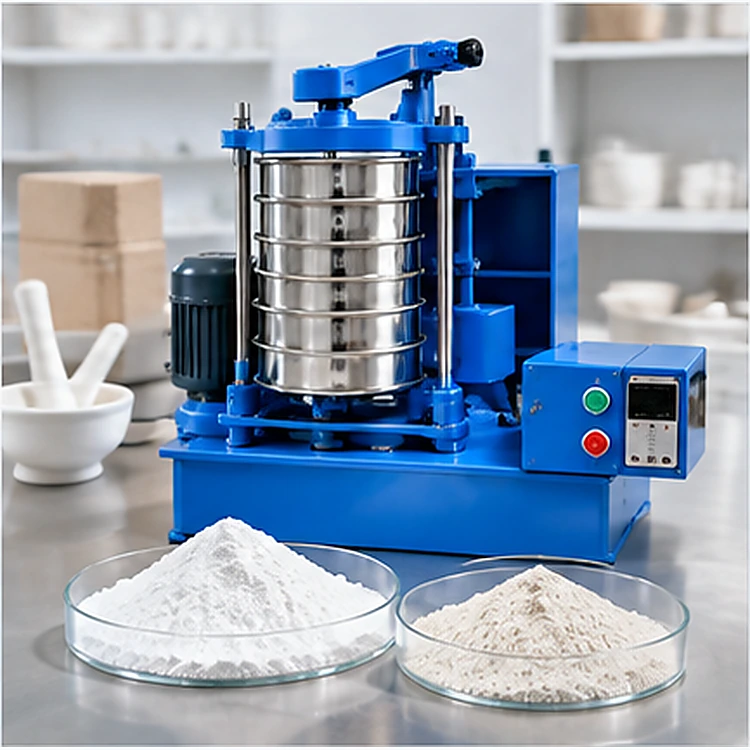
Kaolin Powder
Analyze kaolin particle size fractions for ceramic raw material testing
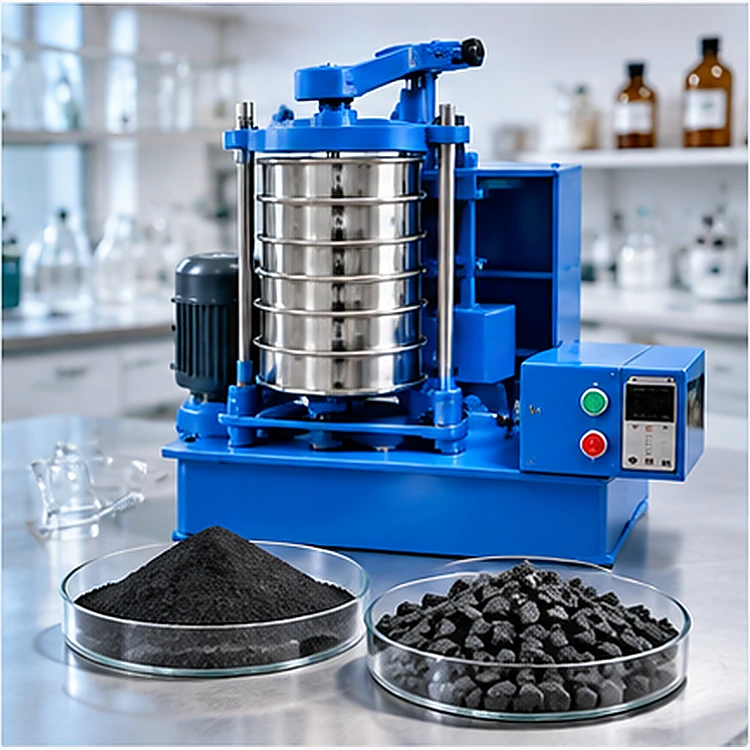
Activated Carbon
Separate suitable dry activated carbon granules into particle size fractions
Mechanical Sieve Shaker Features
HaoYuan offers mechanical sieve shakers for laboratory particle size analysis and routine material testing. The equipment combines a mechanical tapping mechanism with stacked test sieves to separate suitable dry samples into different particle size fractions.
Mechanical Tapping Action
The tapping mechanism helps move particles across the sieve surfaces during laboratory testing.
Multi-Layer Particle Separation
Stacked test sieves separate samples into different size fractions for collection and further evaluation.
Convenient Sieve Handling
The removable sieve assembly allows easier sample collection, sieve inspection, and routine cleaning.
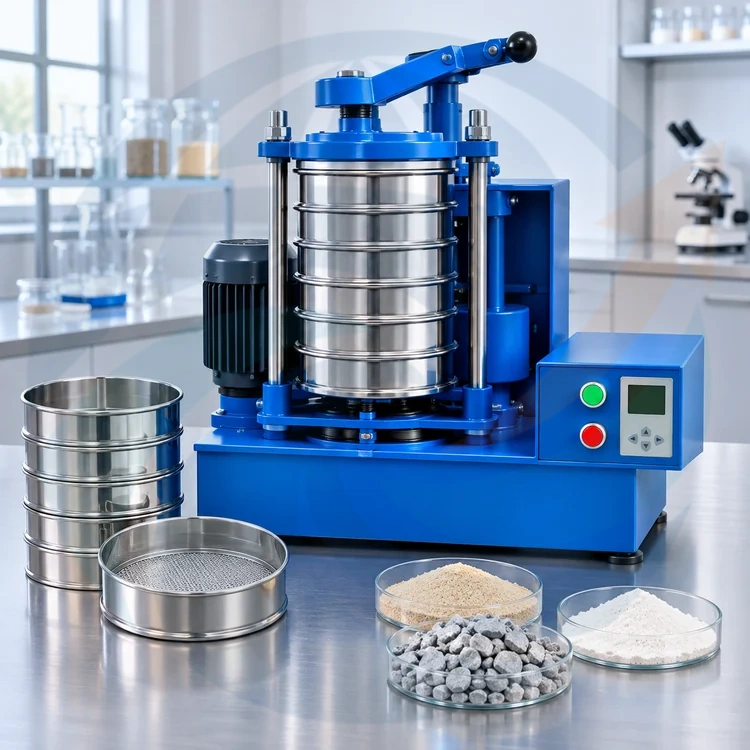
Flexible Sieve Shaker Configurations
Different laboratory testing tasks require different sieve openings, sample quantities, and test procedures. HaoYuan helps buyers review suitable sieve configurations based on their materials and particle size analysis requirements.
Test Sieve Selection
Choose compatible sieve diameters and mesh openings according to the sample and testing method.
Sieve Stack Arrangements
Select suitable sieve layers to separate samples into the required particle size fractions.
Operating Requirements
Confirm available control functions, power supply, and testing requirements before ordering.
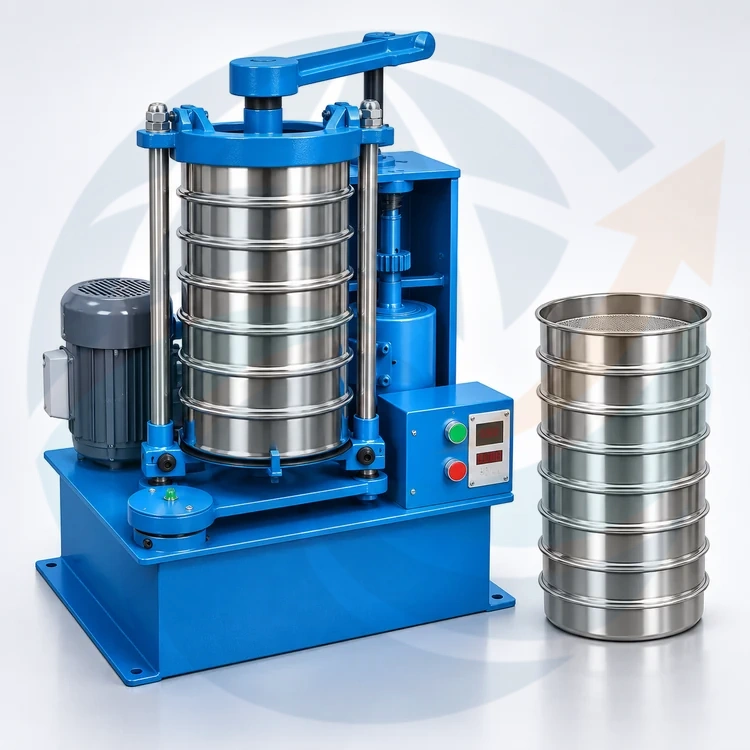
What to Confirm Before Selecting a Mechanical Sieve Shaker
HaoYuan helps you select suitable equipment for your materials and laboratory testing requirements
| Selection Factor | Que confirmer |
|---|---|
| Sample Material | Material name, moisture condition, and particle characteristics |
| Testing Purpose | Particle size analysis, grading, or routine quality control |
| Test Sieve Diameter | Required sieve size and compatibility with the equipment |
| Mesh Opening Size | Required sieve openings or particle size range |
| Number of Sieves | Number of sieve layers needed for testing |
| Mechanical Sieving Action | Required tapping and other sieve movements |
| Sample Quantity | Typical sample weight or volume per test |
| Operating Controls | Required test duration and control functions |
| Testing Standards | Applicable laboratory method or test standard |
| Power & Installation | Local voltage, frequency, and available installation space |
Explore Related Equipment
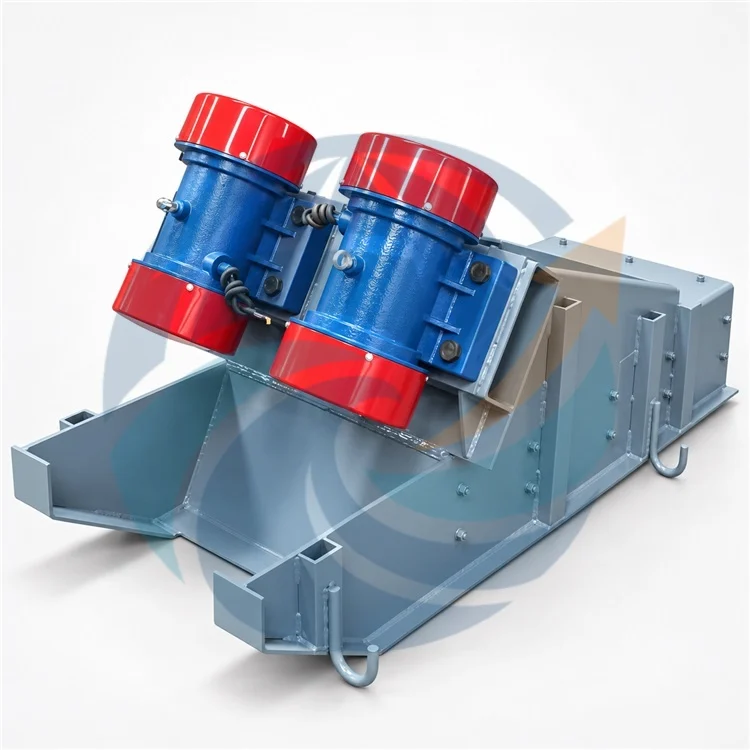
Alimentateur vibrant
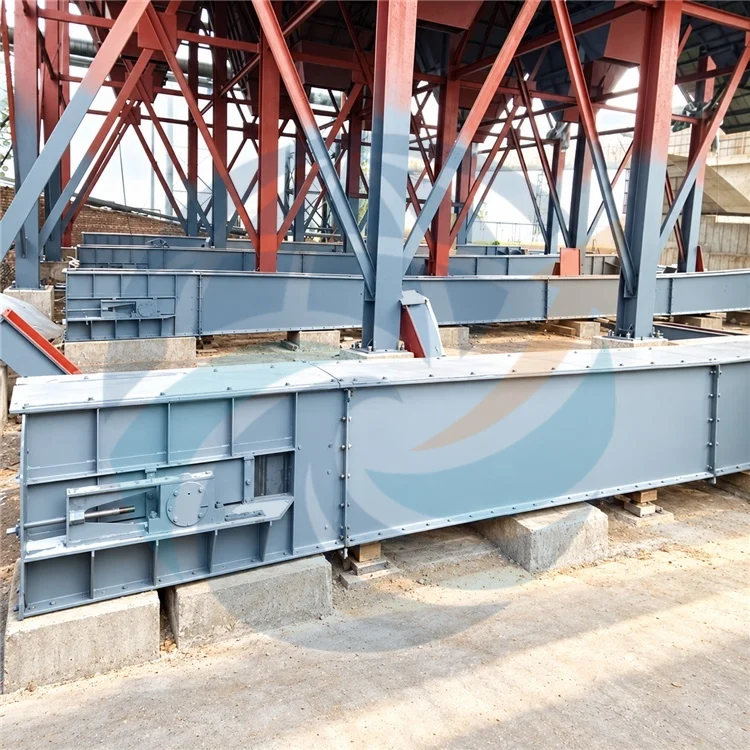
Convoyeur à chaîne traînante
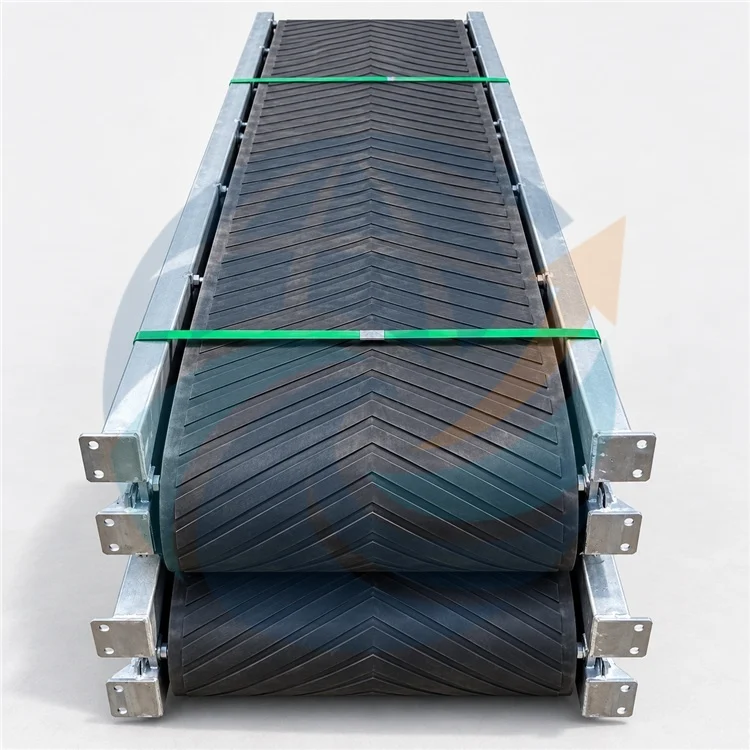
Convoyeur à bande
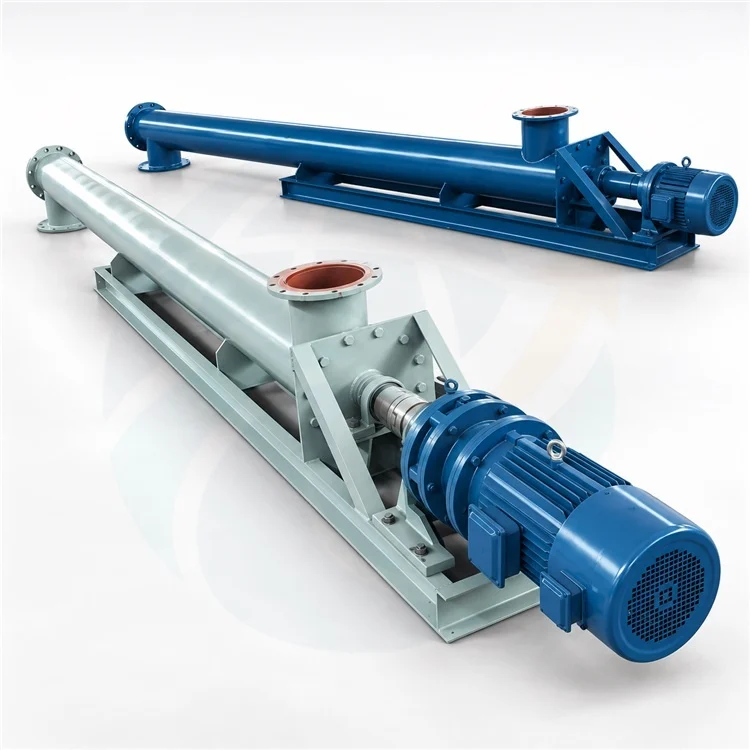
Convoyeur à vis
Mechanical Sieve Shaker FAQs
1. What is a mechanical sieve shaker used for?
A mechanical sieve shaker is used to separate laboratory samples into particle size fractions through a stack of test sieves. It supports particle size analysis, material inspection, and quality control.
2. How does a mechanical tapping sieve shaker work?
A tap-type sieve shaker uses mechanical movement and repeated tapping to move particles across the sieve surfaces. Smaller particles pass through the mesh openings, while larger particles remain on the corresponding sieve layers.
3. What is the difference between a mechanical sieve shaker and a regular sieve shaker?
The main difference is the sieving motion. Tap-type models incorporate mechanical tapping, while other laboratory sieve shakers may use vibration or different movement patterns. The appropriate choice depends on the sample and test method.
4. What materials can be tested with this equipment?
Suitable dry samples may include sand, mineral powders, crushed materials, fertilizer granules, and certain chemical powders. Material suitability should be confirmed based on particle characteristics and the required testing procedure.
5. How do I choose the right sieve mesh size?
Select mesh openings according to the expected particle size distribution and testing requirements. Multiple test sieves can be arranged in a stack to separate different size fractions.
6. Can the test sieve diameter and number of layers be customized?
Available sieve diameters and stack configurations depend on the specific equipment model. HaoYuan can help review your sieve requirements and confirm suitable options before ordering.
7. What information is needed for a mechanical sieve shaker quotation?
Please provide your sample material, required sieve diameter, mesh opening range, number of sieve layers, testing method, and local power supply. These details help HaoYuan recommend a suitable configuration.
Sieve Shaker Inquiry
Tell HaoYuan about your samples and testing requirements
 English
 French
 German
 Indonesian
 Korean
 Malay
 Japanese