
Écran vibrant ultrasonique
Ultrasonic-assisted screening solutions for fine powders and challenging particle separation applications.
What Is an Ultrasonic Vibrating Screen?
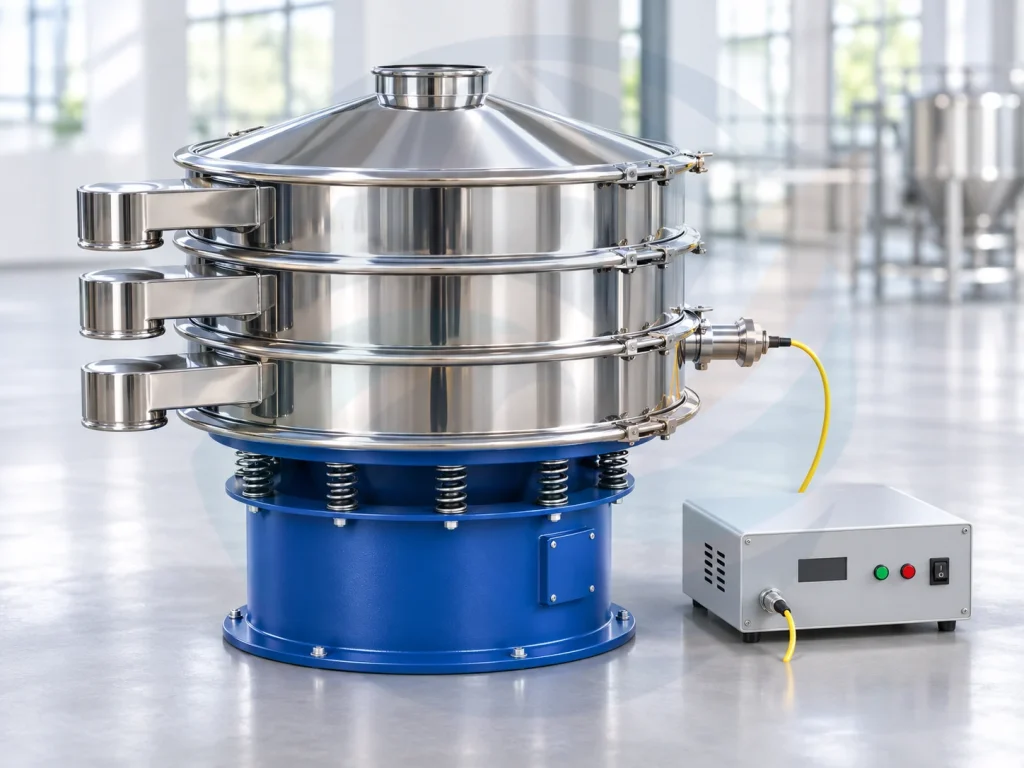
Un écran vibrant à ultrasons is an industrial screening machine that combines conventional mechanical vibration with high-frequency ultrasonic vibration applied to the screen mesh. It is designed to assist particle separation when fine, lightweight, cohesive, or electrostatically affected powders tend to block the screen openings.
The system typically consists of a vibrating sieve, an ultrasonic generator, a transducer, and a compatible screen mesh assembly. Unlike a conventional écran vibrant rotatif that relies on mechanical vibration for material movement and separation, an ultrasonic-assisted system introduces additional high-frequency vibration at the screen mesh to help reduce particle adhesion and mesh blinding.
This combination may improve the screening of certain fine powders used in chemical processing, metal powder production, food ingredient processing, and other industrial applications. Actual performance depends on material characteristics, screen aperture, feed conditions, and equipment configuration.
When Should You Consider Ultrasonic Screening?
Ultrasonic-assisted screening is worth considering when conventional vibration cannot maintain effective particle passage through the screen mesh. This is especially relevant when fine particles repeatedly lodge in the apertures, adhere to the mesh, or cause inconsistent screening performance.
However, ultrasonic assistance is not necessary for every fine powder. Severe moisture-related adhesion, hard agglomerates, and unsuitable feed conditions may require additional process adjustments.
To evaluate whether an ultrasonic vibrating screen is suitable for your application, please provide:
Material characteristics: Material name, particle size distribution, moisture, bulk density, and known flowability problems.
Screening requirements: Target mesh opening, required separation result, and expected processing capacity (kg/h).
Current screening challenges: Mesh blinding, particle agglomeration, electrostatic effects, or inconsistent throughput.
If you are unsure which screening technology is suitable for your powder, refer to our vibrating screen selection guide for additional guidance on material properties, screen openings, and equipment selection.
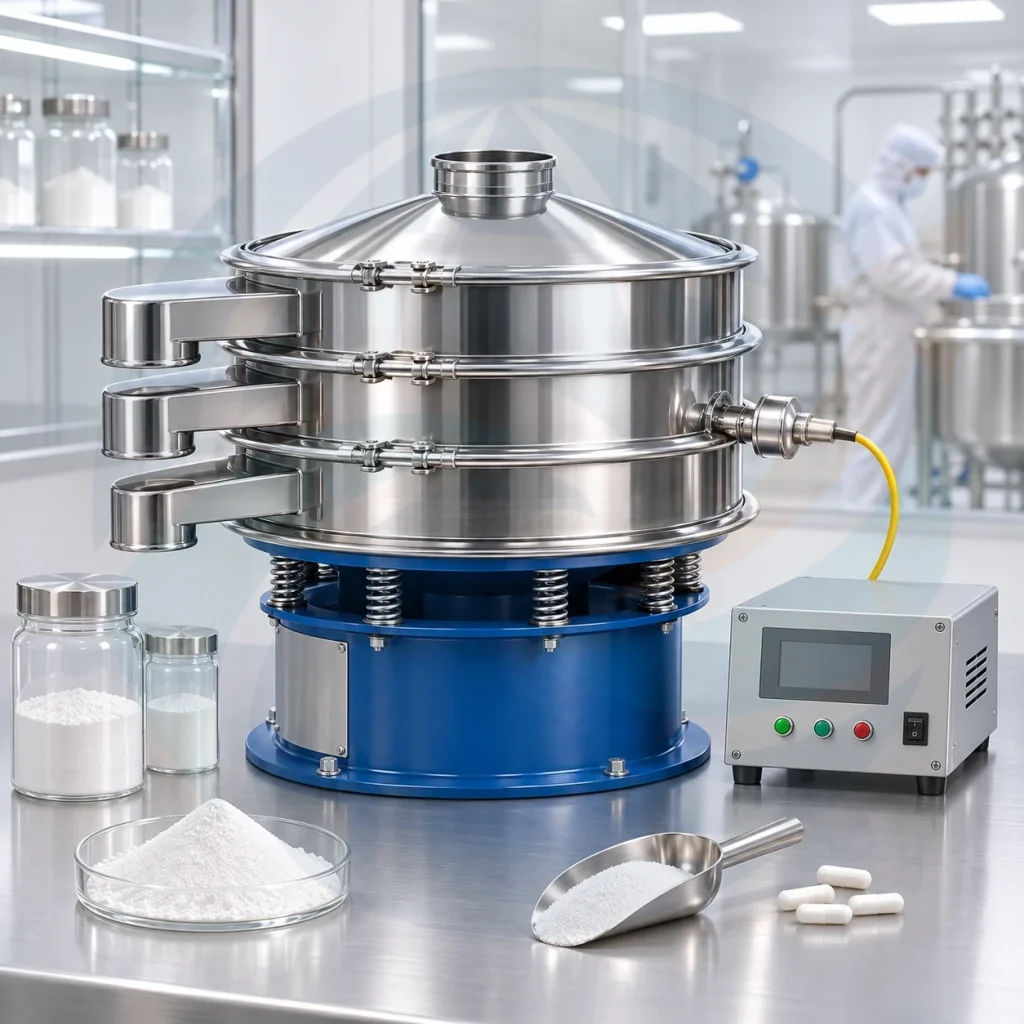
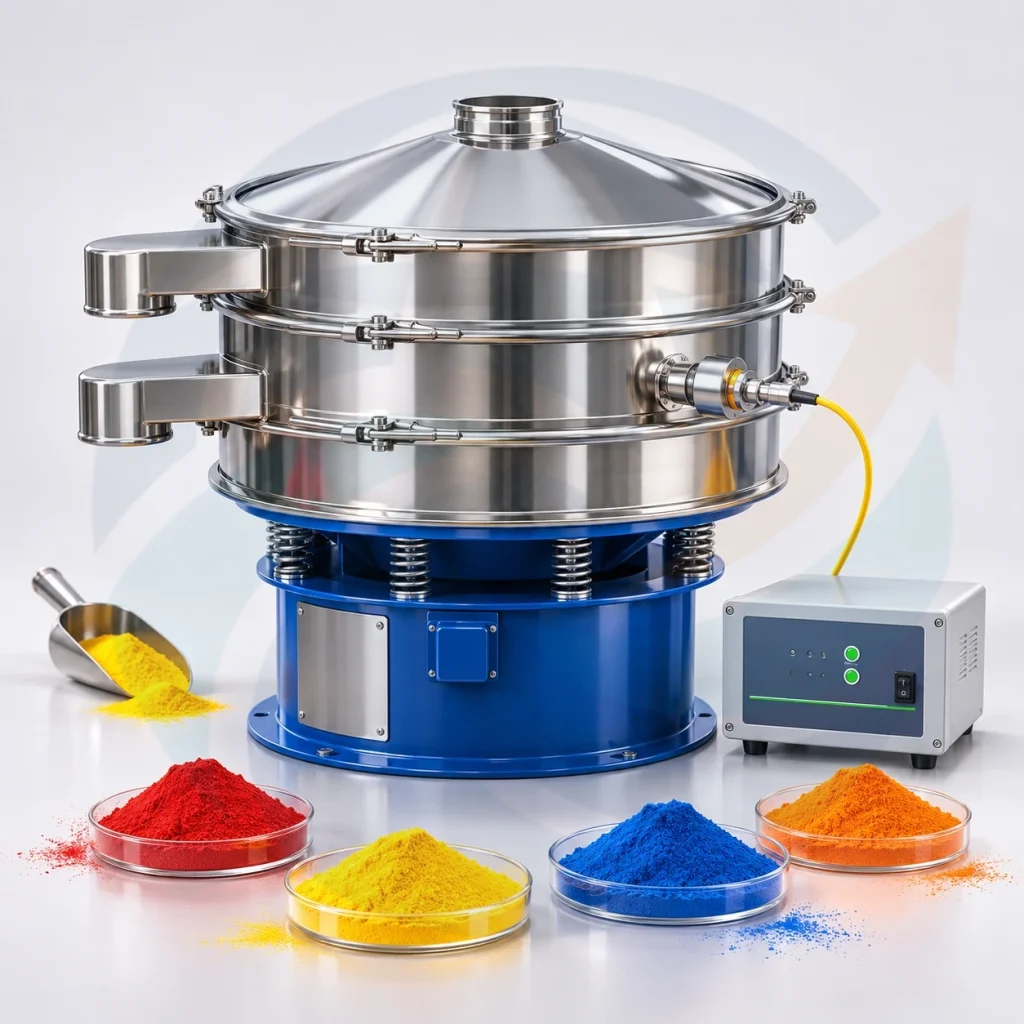
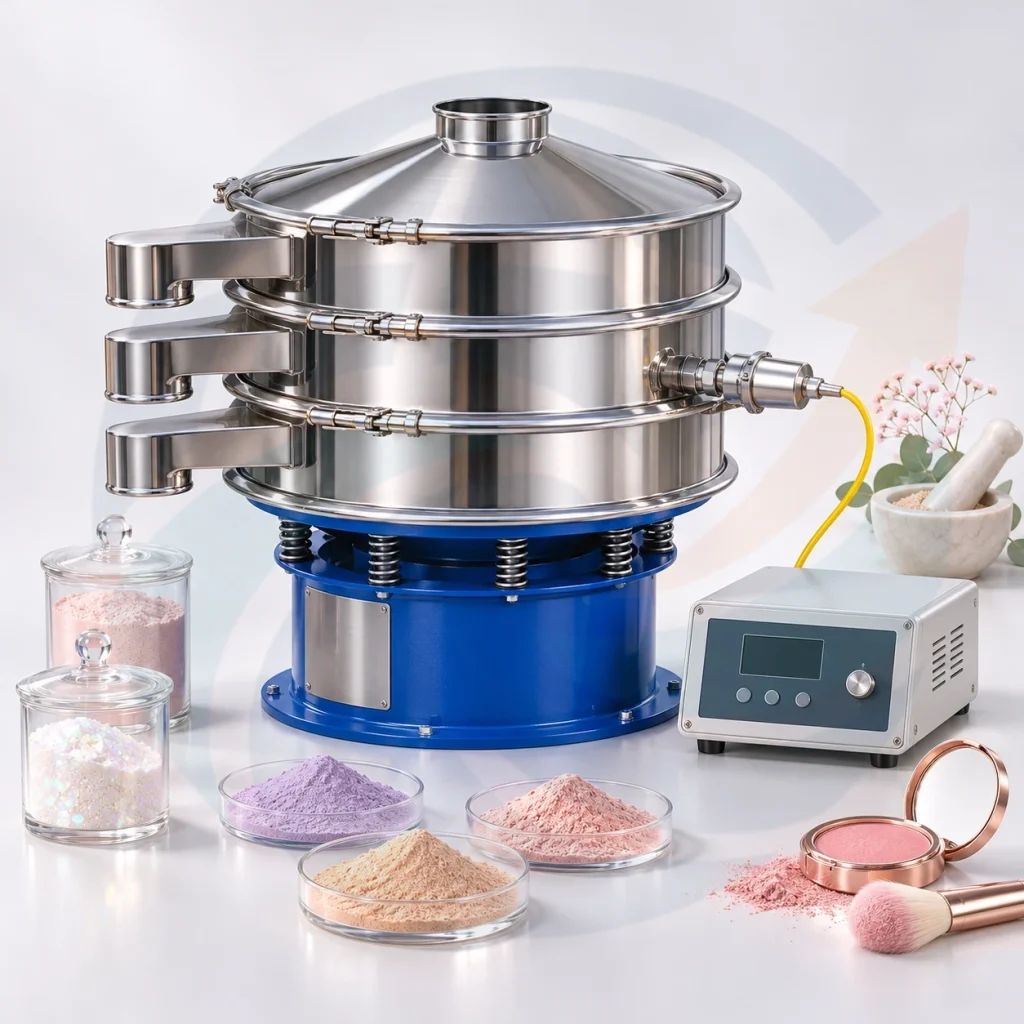
Ultrasonic Vibrating Screen Applications by Industry
Explore ultrasonic screening solutions for fine powders across food, chemical, pharmaceutical, and other industries.
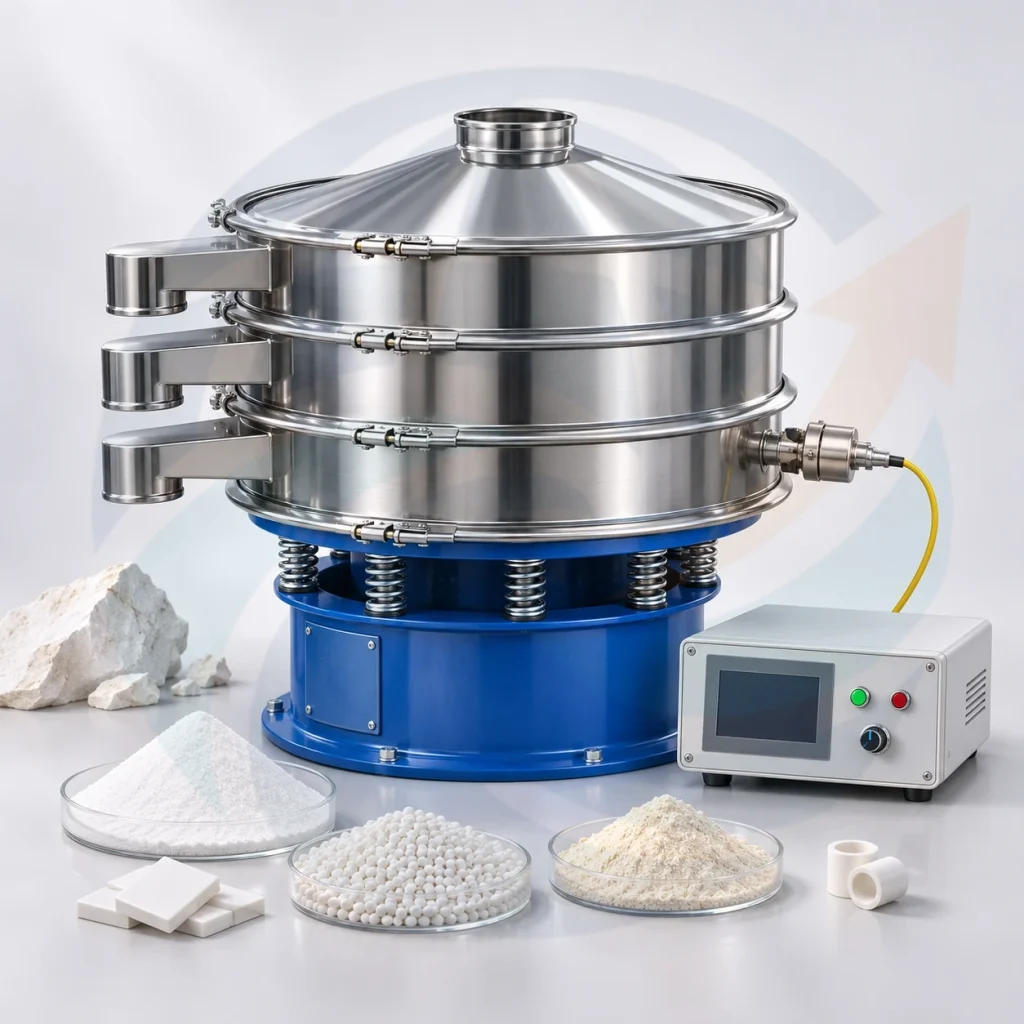
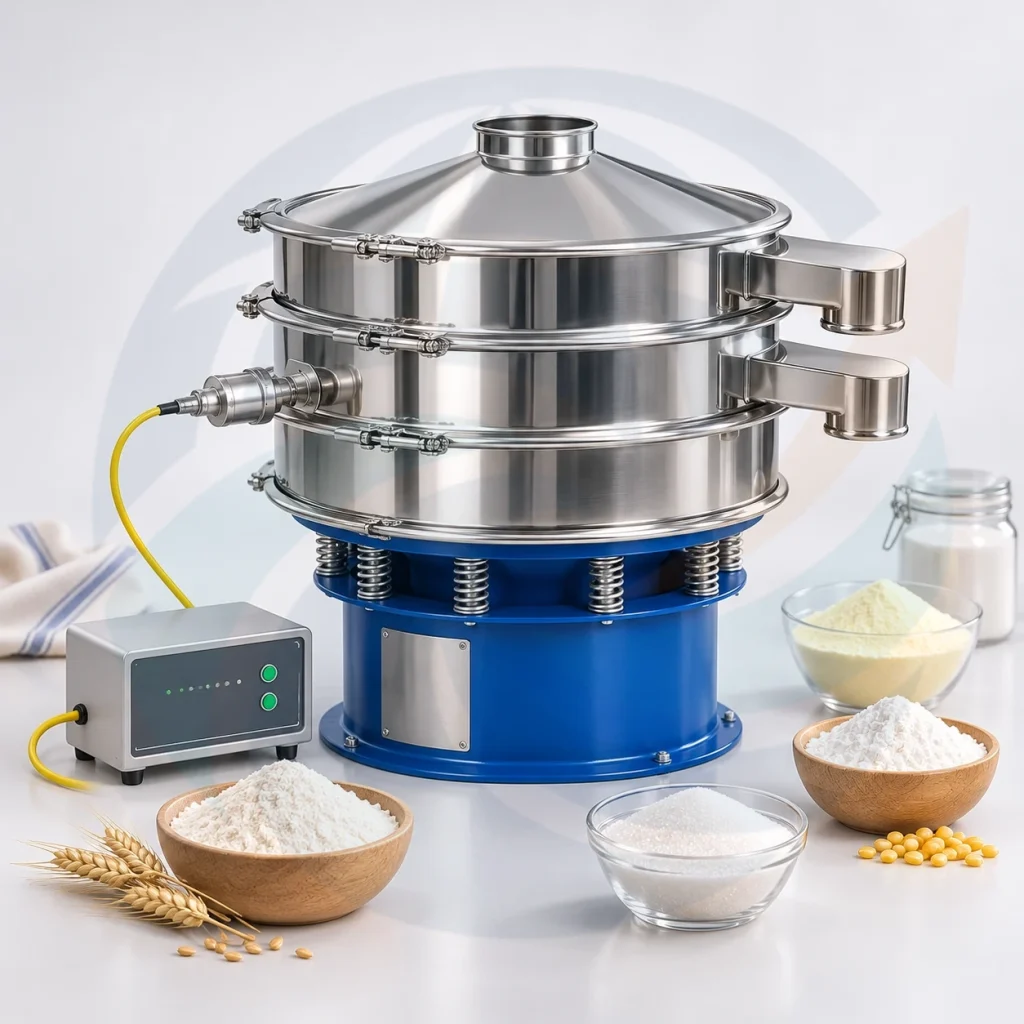
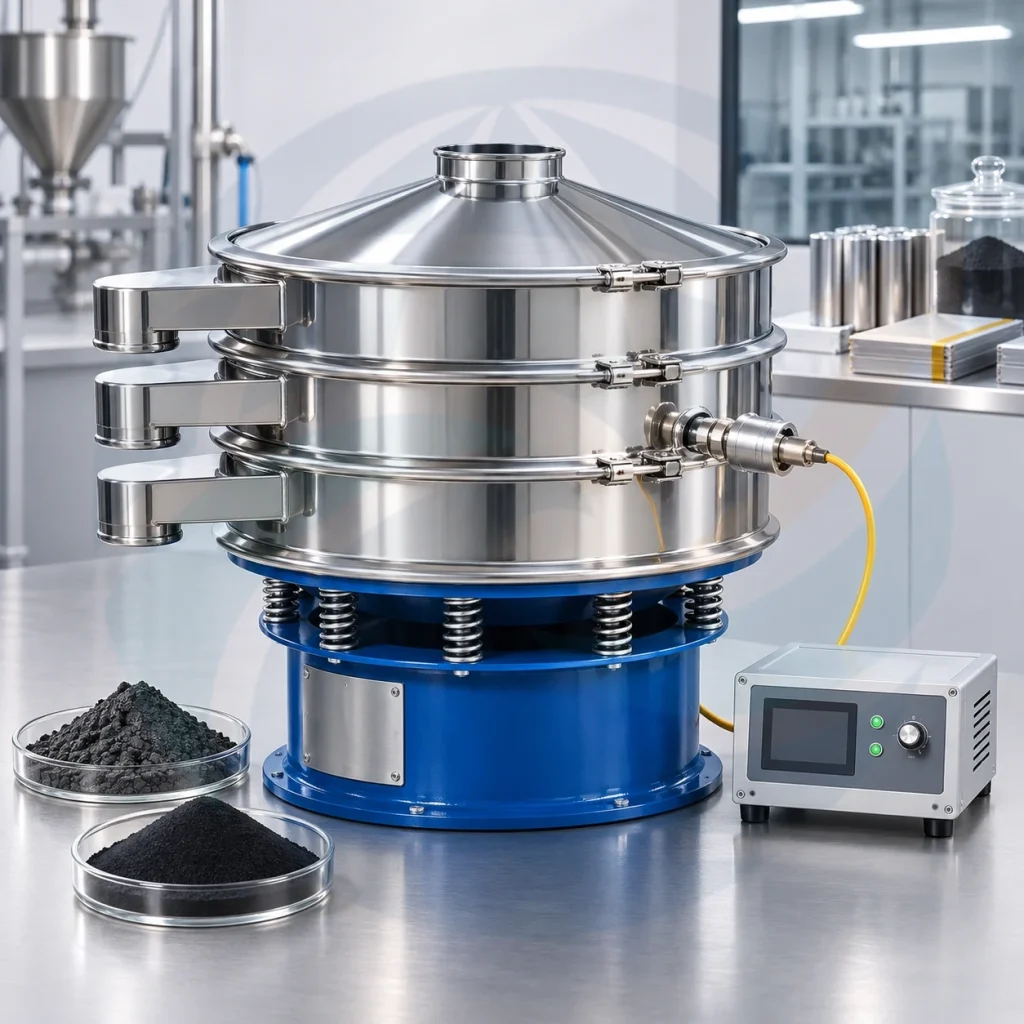
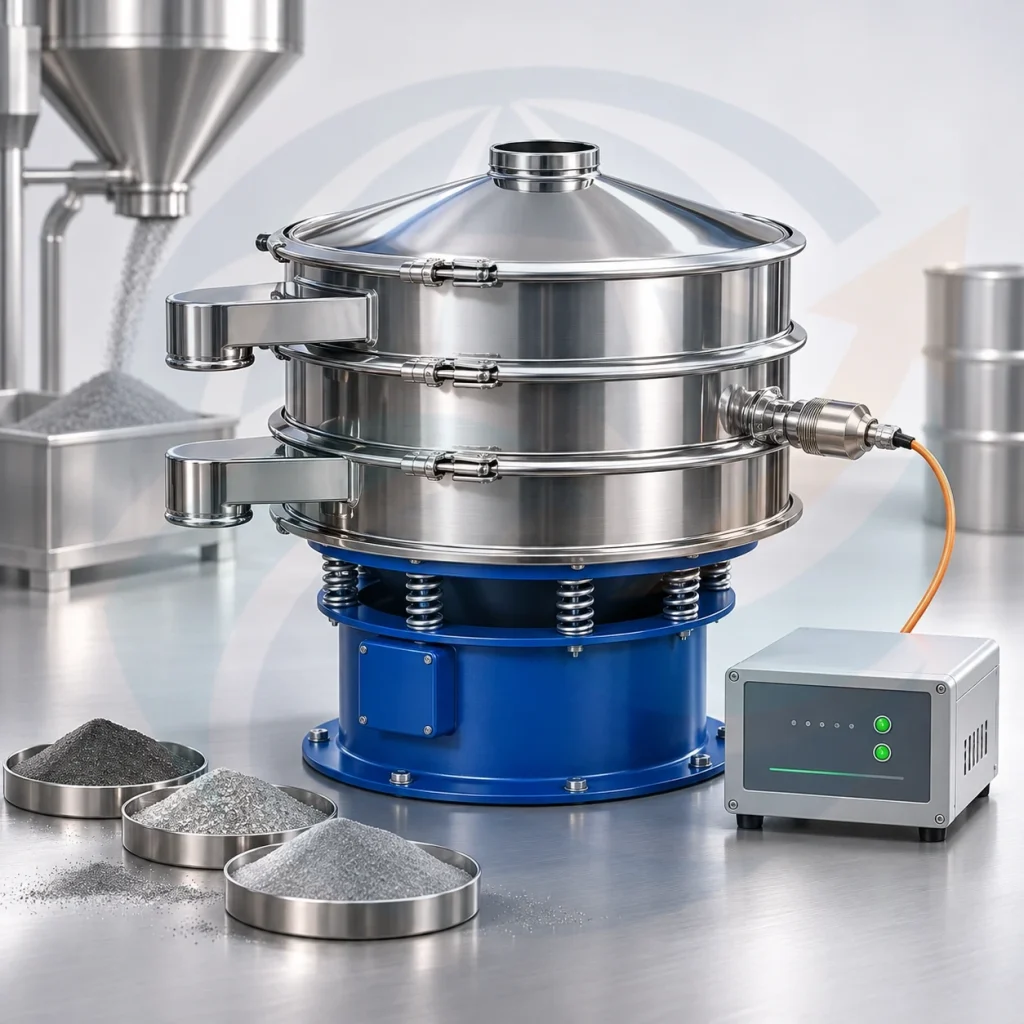
Ultrasonic Vibrating Screens by Material
Explore ultrasonic screening solutions for different fine powder materials.
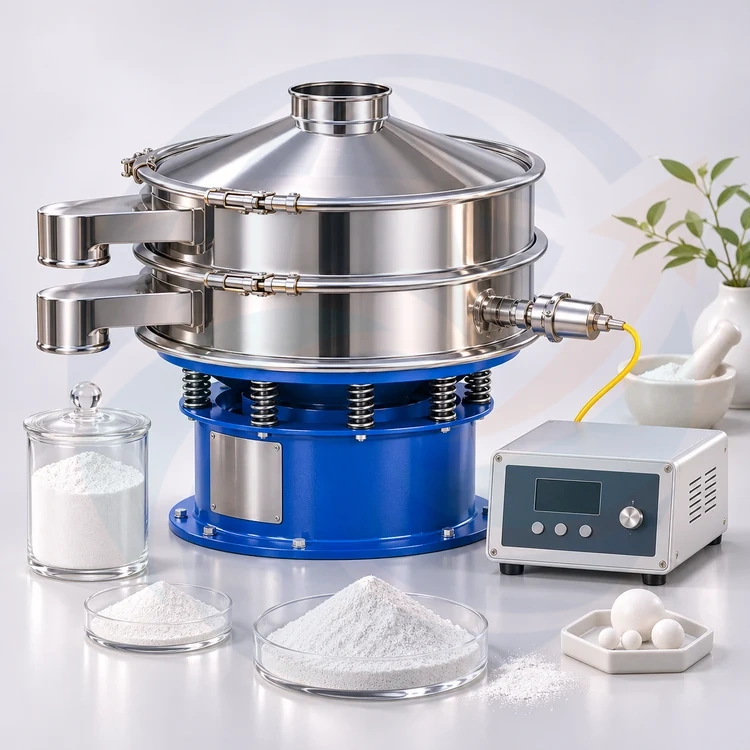
Ultrasonic Screen for Alumina Powder
Accurate screening of fine alumina powder with reduced mesh blinding and stable product quality
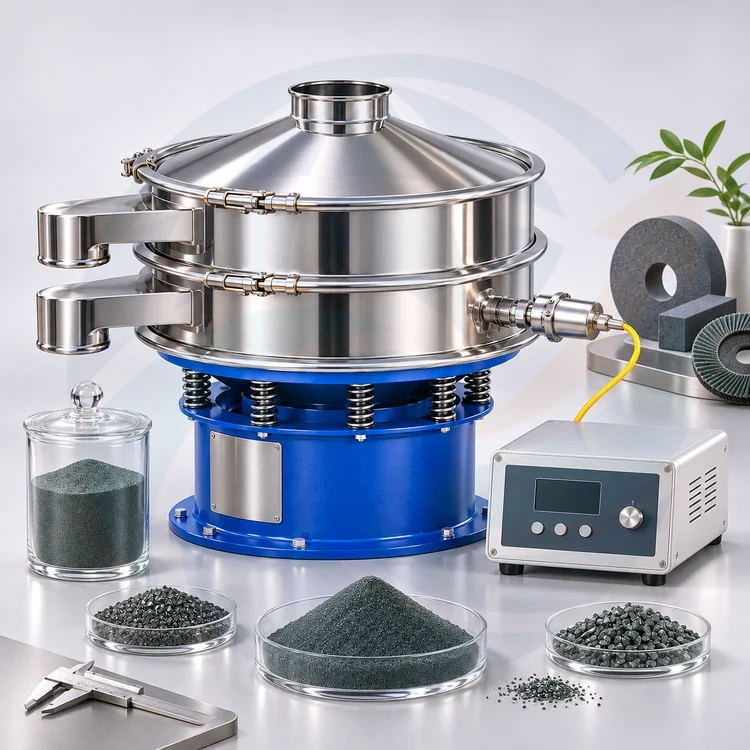
Ultrasonic Screen for Silicon Carbide
Efficient grading of silicon carbide powder for fine particle control and consistent separation
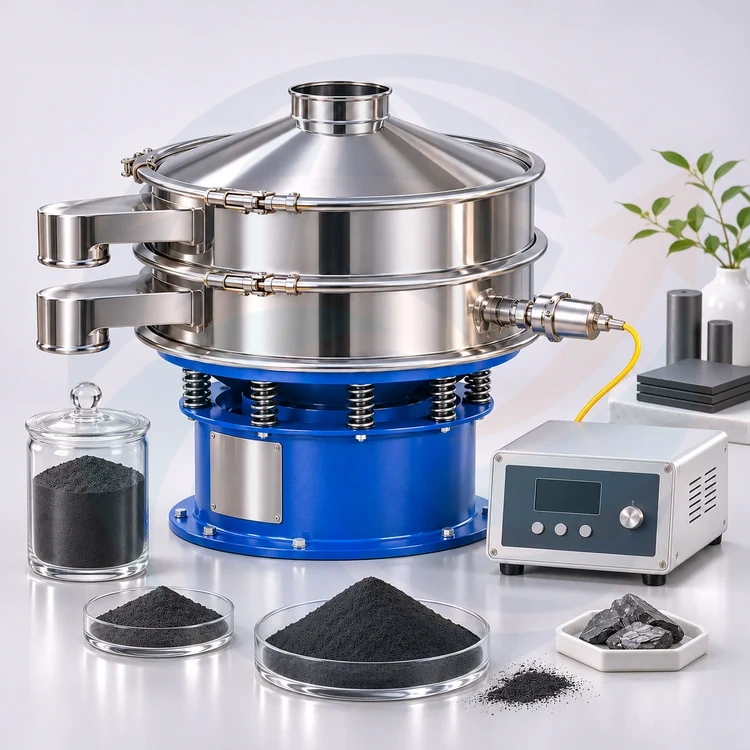
Ultrasonic Screen for Graphite Powder
Improves screening of lightweight graphite powder by reducing agglomeration and static interference
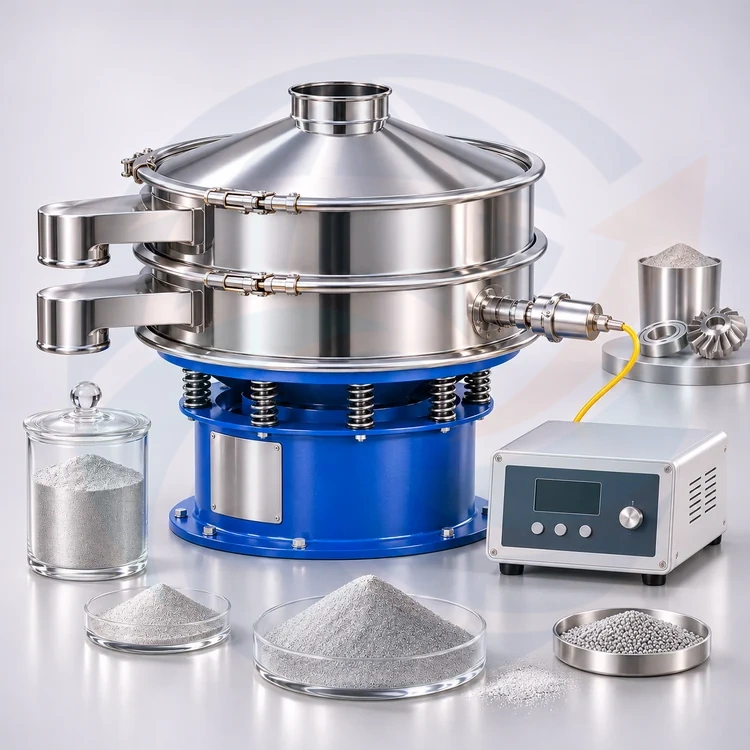
Ultrasonic Screen for Stainless Steel Powder
Classify fine stainless steel powder by particle size and remove oversized particles before further processing
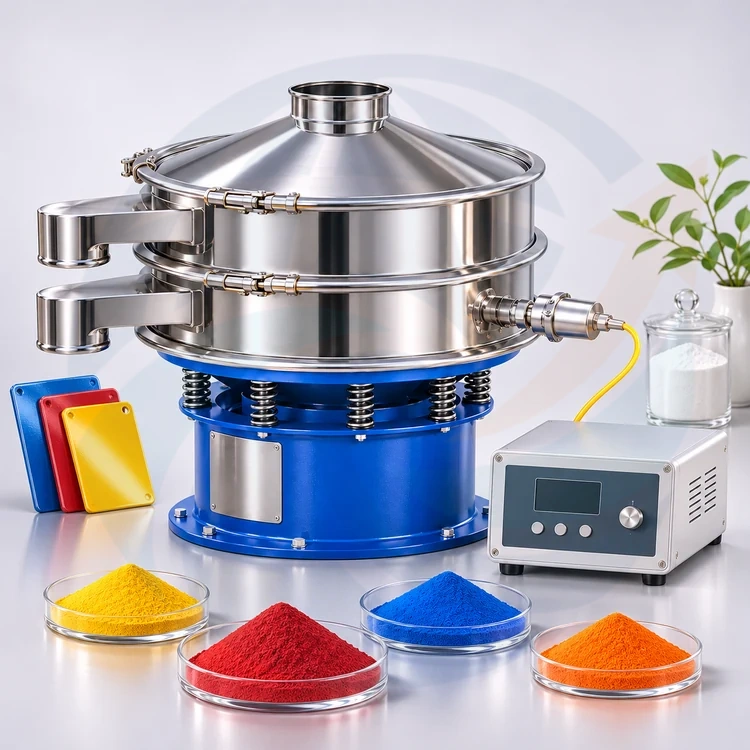
Ultrasonic Screen for Epoxy Resin Powder
Gentle screening of epoxy resin powder to improve particle distribution and reduce mesh blockage
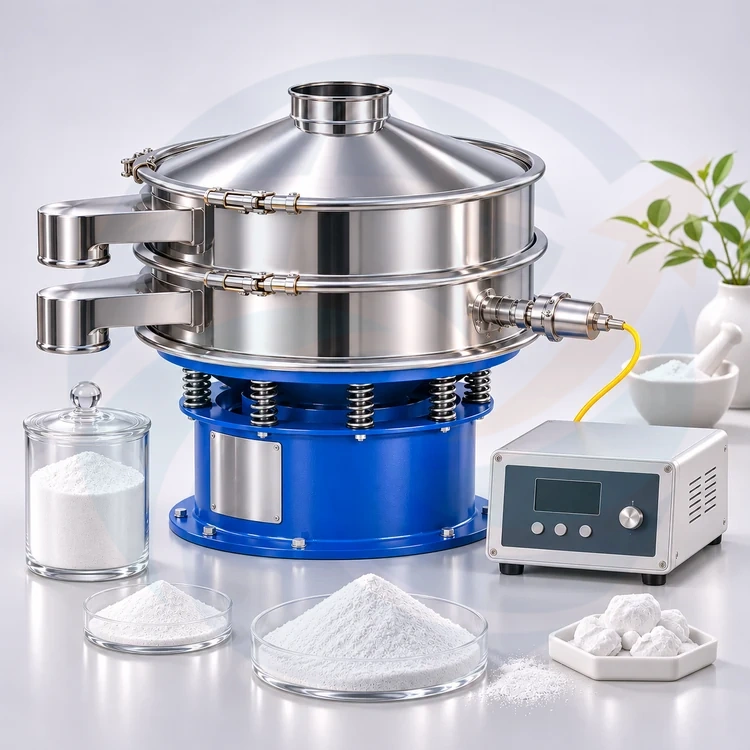
Ultrasonic Screen for Titanium Dioxide
Reliable separation of titanium dioxide powder with better flowability control and cleaner screening results
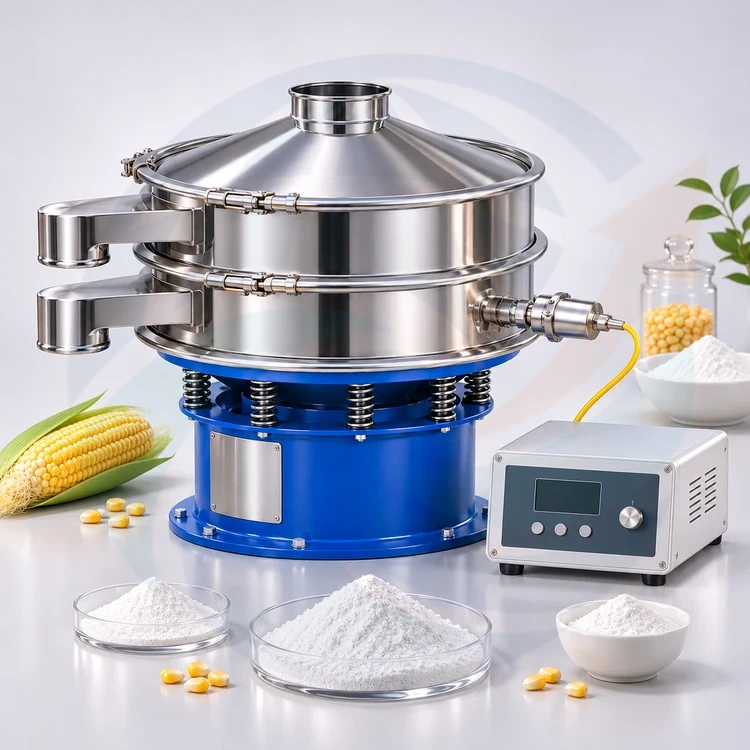
Ultrasonic Screen for Corn Starch
Hygienic screening of corn starch for fine classification, oversize removal, and product consistency
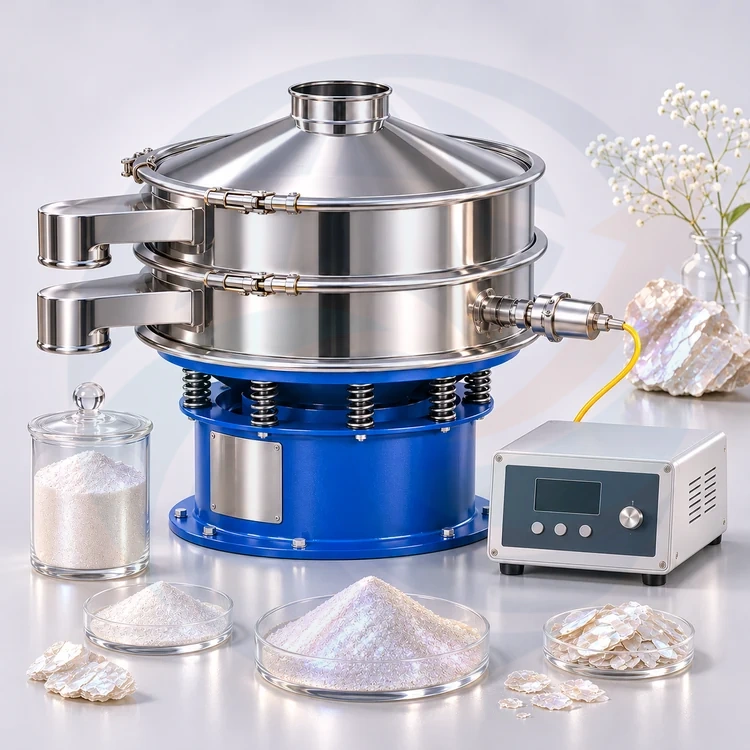
Ultrasonic Screen for Mica Powder
Stable screening of mica powder for fine classification while minimizing adhesion and mesh blinding
Why Choose Our Ultrasonic Vibrating Screen?
Fine powders can block conventional screen openings, affecting material flow and separation performance. An ultrasonic vibrating screen introduces high-frequency vibration to the screen mesh, helping reduce blinding under suitable processing conditions.
HaoYuan helps buyers evaluate ultrasonic screening equipment based on material properties, required particle size, throughput, and installation requirements. The ultrasonic generator, transducer, screen mesh, and vibrating sieve must be considered as a compatible system.
Whether you are selecting new equipment or reviewing an existing screening process, we can help clarify suitable configurations and technical requirements before quotation.
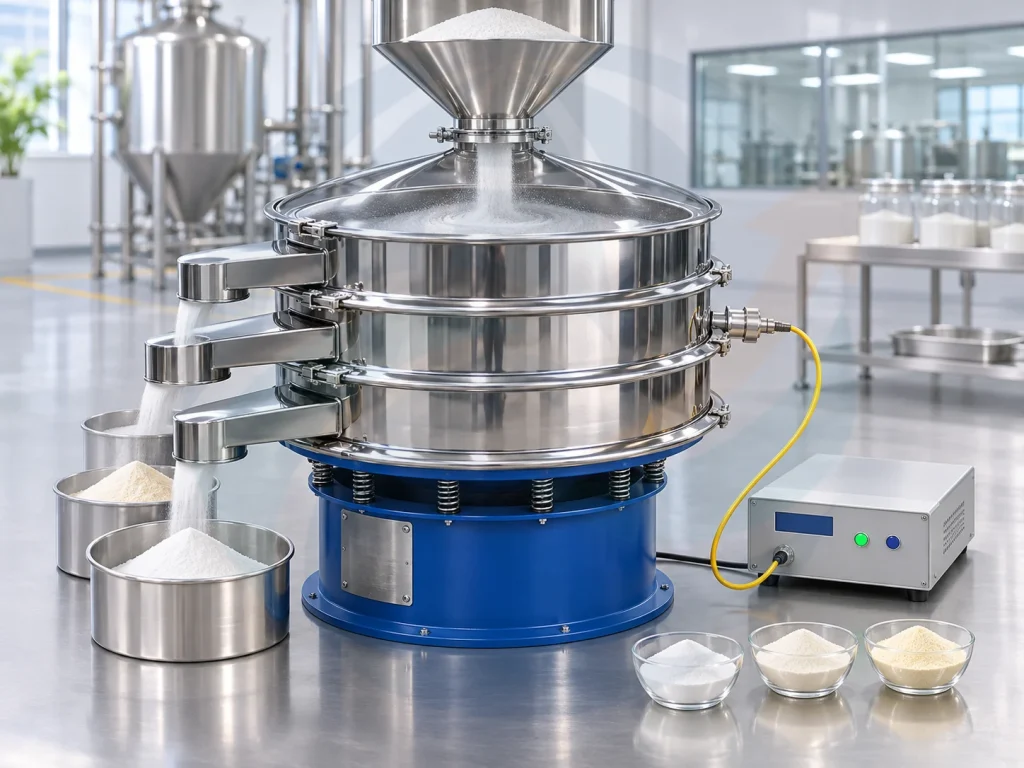
Ultrasonic Vibrating Screen Applications
Ultrasonic-assisted screening is used to address fine powder separation challenges, particularly when particles become trapped in screen apertures or adhere to the mesh.
Typical screening tasks include fine particle classification, oversize removal, and mesh deblinding. Potential applications include chemical pigments, ceramic powders, metal powders, powder coatings, and selected food ingredients.
The appropriate screen opening and equipment configuration depend on material characteristics and processing requirements. For food-related applications, explore our Équipement de tamisage des poudres alimentaires solutions.
Share your material, target particle size, and required capacity to discuss a suitable screening arrangement.
What to Confirm Before Selecting an Ultrasonic Vibrating Screen
Review the key requirements for selecting the right ultrasonic vibrating screen for your material
| Information | Que partager |
|---|---|
| Propriétés des matériaux | Material name, particle size distribution, bulk density, moisture content, and flowability. |
| Screening Objective | Fine powder classification, oversize removal, or the required particle size fractions. |
| Ouverture de l'écran | Required screen aperture in micrometers or millimeters, or mesh count with the applicable standard. |
| Capacité requise | Target processing capacity in kg/h or t/h, including continuous or batch feeding requirements. |
| Mesh Blinding Issues | Existing problems with blocked mesh openings, particle adhesion, electrostatic effects, or agglomeration. |
| Ultrasonic System | Required ultrasonic screening function, existing equipment compatibility, and any known generator or transducer requirements. |
| Terrasses et prises électriques | Number of required separation stages, product fractions, and discharge connection requirements. |
| Contact Parts and Cleaning | Required contact materials, corrosion resistance, screen cleaning, and contamination control needs. |
| Dust and Process Safety | Dust containment requirements, combustible dust hazards, and applicable site safety conditions. |
| Installation | Available installation space, inlet and outlet positions, power supply, and connection to upstream or downstream equipment. |
Explore Related Equipment
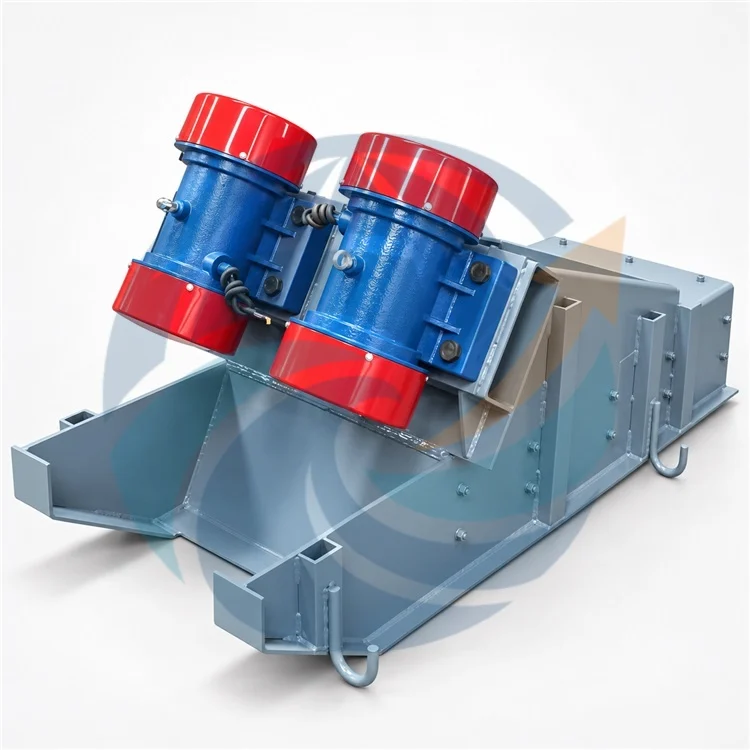
Alimentateur vibrant
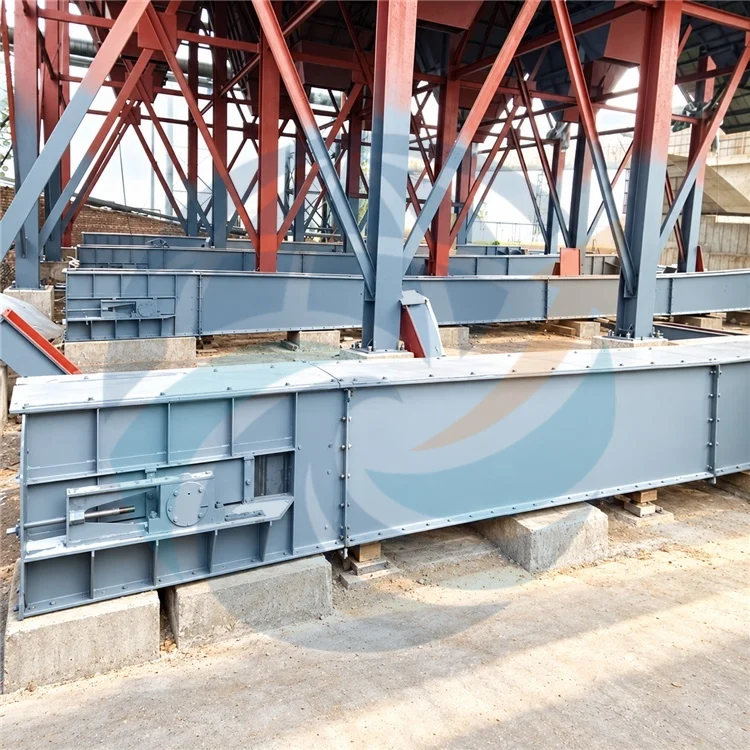
Convoyeur à chaîne traînante
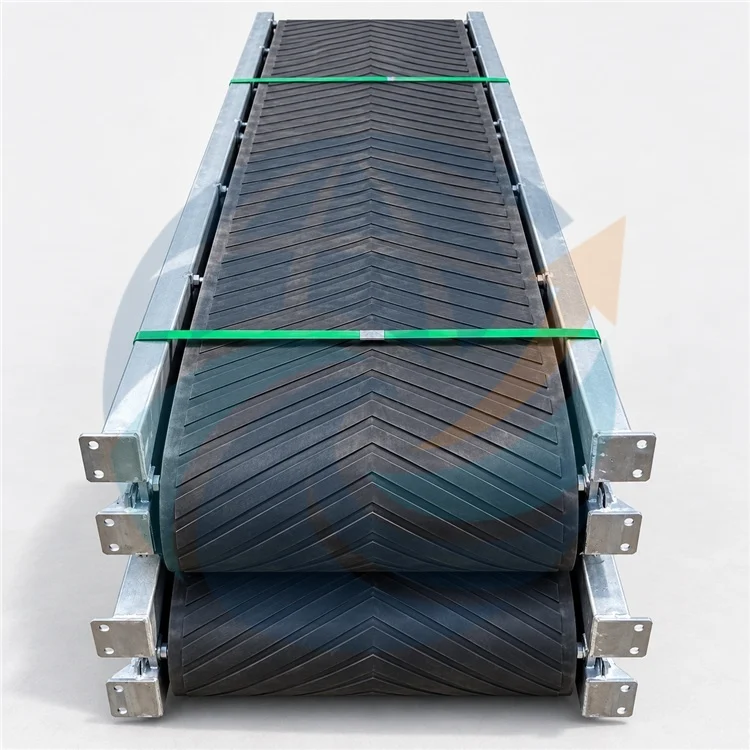
Convoyeur à bande
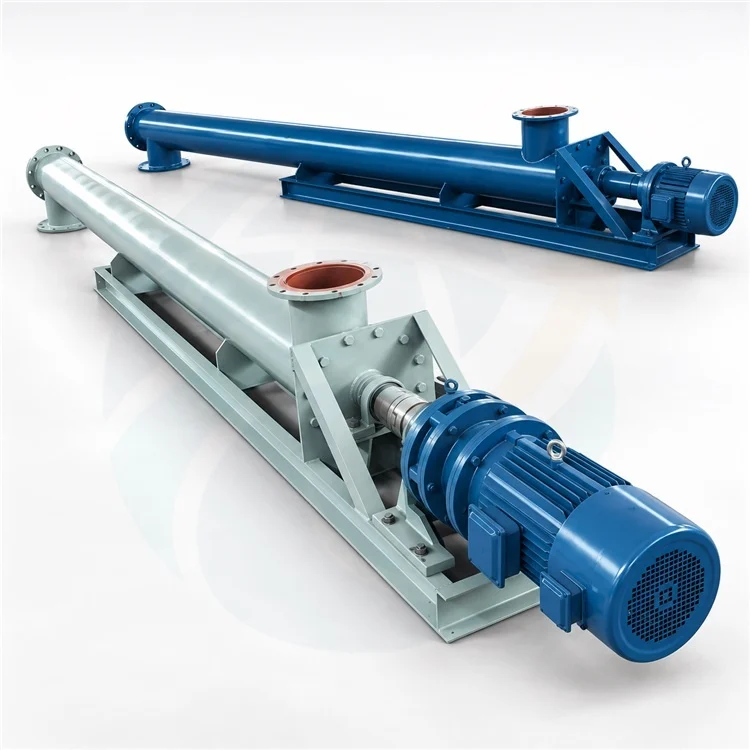
Convoyeur à vis
Ultrasonic Vibrating Screen FAQs
1.What is an ultrasonic vibrating screen used for?
An ultrasonic vibrating screen is used for fine powder grading, oversize removal, and particle separation. Ultrasonic assistance helps reduce mesh blinding when conventional vibrating screens struggle with fine or cohesive materials.
2.How is ultrasonic screening different from conventional vibrating screening?
Conventional vibrating screens use mechanical vibration to move and separate materials. Ultrasonic screening adds high-frequency vibration to the mesh, helping reduce particle adhesion and blocked screen openings.
3.Can ultrasonic vibration prevent mesh blinding?
Ultrasonic vibration may reduce mesh blinding caused by fine particles becoming trapped in screen openings. However, results depend on powder properties, moisture, mesh size, and operating conditions.
4.What mesh size can an ultrasonic vibrating screen handle?
The suitable mesh opening depends on the target particle size, material characteristics, and screen configuration. Buyers should specify the required opening in microns or provide the mesh count and applicable standard.
5.What affects ultrasonic vibrating screen capacity?
Screening capacity depends on particle size distribution, bulk density, moisture, flowability, mesh opening, and equipment configuration. Actual throughput should be evaluated for the specific material and operating conditions.
6.Can ultrasonic vibrating screens handle different industrial powders?
Ultrasonic screening may be considered for suitable food, chemical, pharmaceutical, ceramic, and metal powders. Material compatibility, cleaning requirements, dust hazards, and equipment specifications must be reviewed for each application.
7.What information is needed for an ultrasonic vibrating screen quotation?
Please provide your material name, target mesh opening, required capacity (kg/h), moisture condition, and any existing mesh blinding problems. Installation requirements and preferred contact materials are also helpful.
Ultrasonic Screening Inquiry
Tell us about your material and the separation you need
 English
 French
 German
 Indonesian
 Korean
 Malay
 Japanese