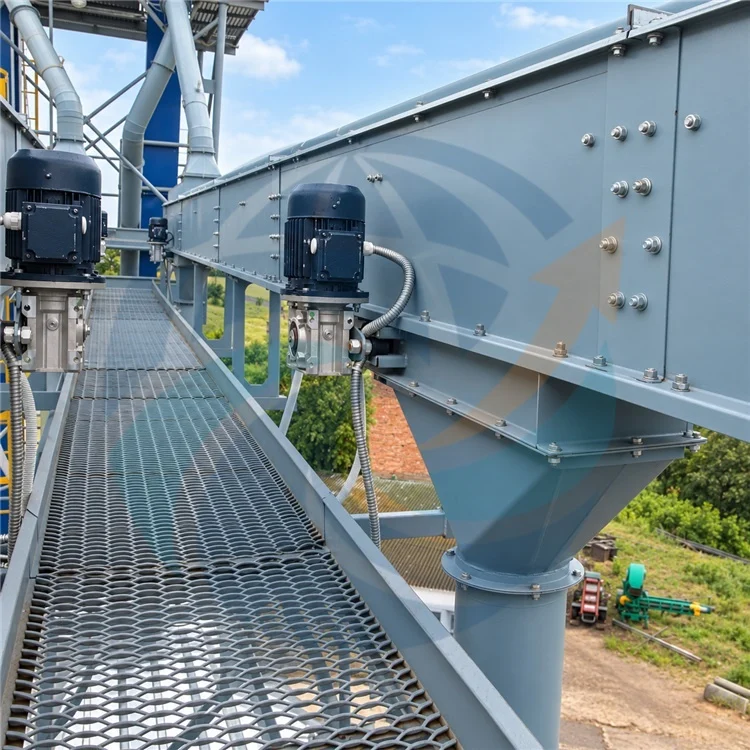
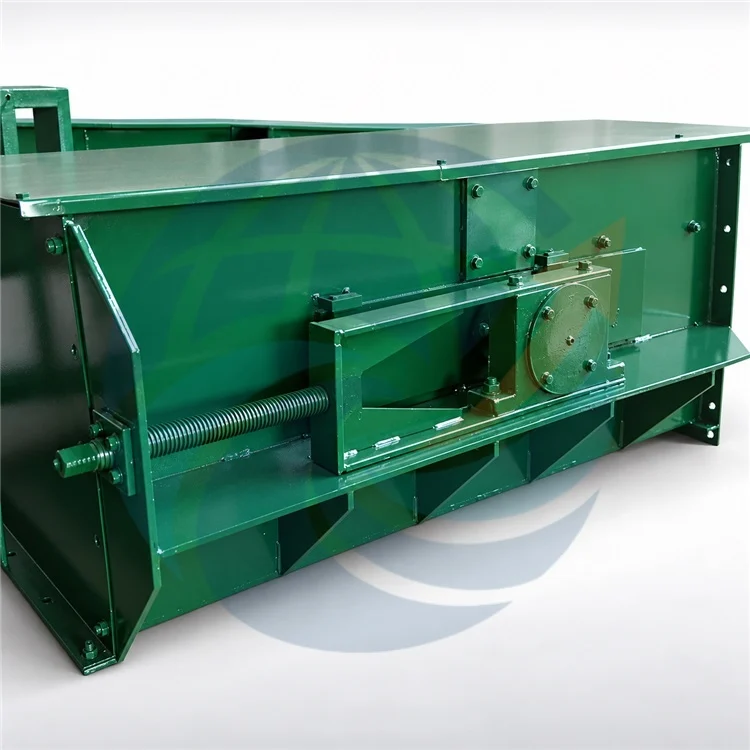
Drag Chain Conveyor

Transfer suitable bulk materials with a chain-and-flight conveying arrangement
Drag Chain Conveyor Sprocket Assembly Drag Chain Conveyor Chains and Flights (Scrapers) On-site Installation of Drag Chain Conveyors Drag Chain Conveyor Discharge Mechanism Drag Chain Conveyor Tensioning Device

Drag Chain Conveyor

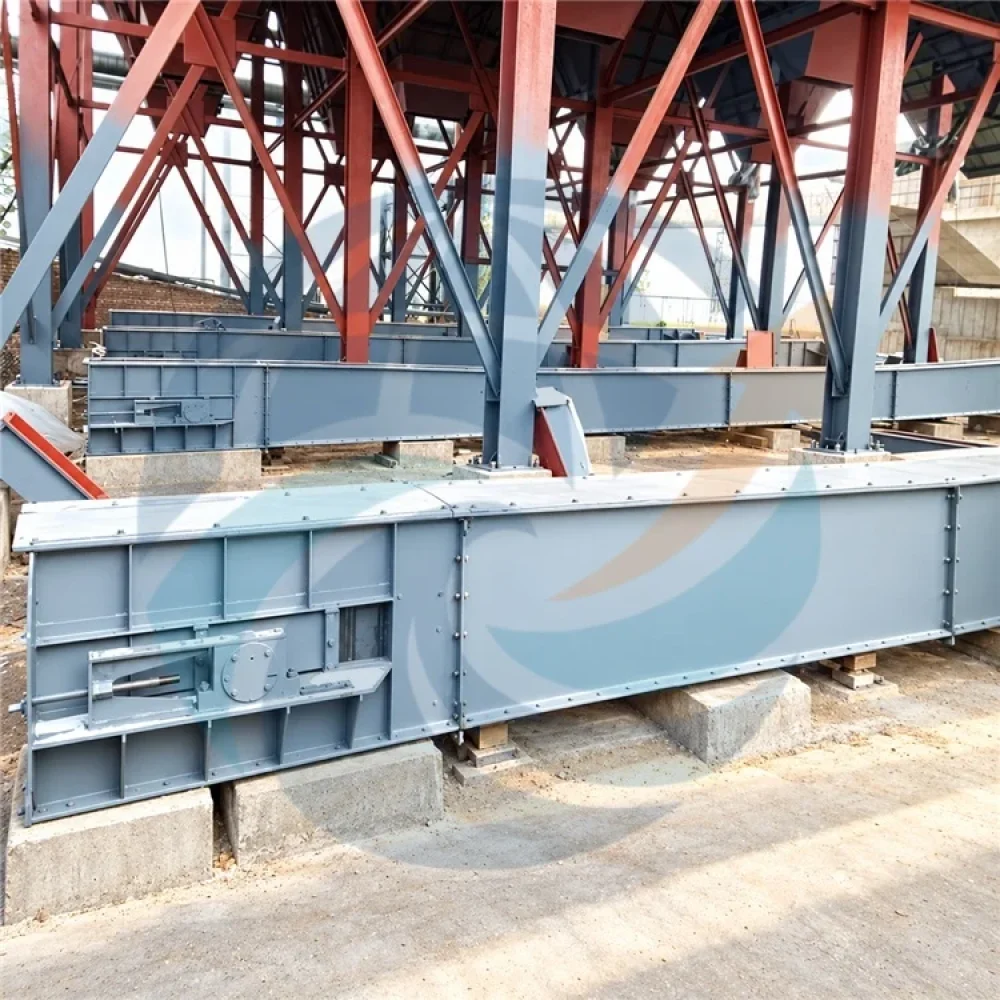
A drag chain conveyor uses a moving chain and flights to move material along a conveying path. Selection depends on the bulk material, route and loading conditions. Confirm the actual conveyor construction before deciding whether it matches your process.

Chain-and-flight conveying is a transfer option to review when the material, route and loading conditions suit the construction. Identify where the material enters, where it leaves and whether the duty involves continuous supply or intermittent batches.

  • Material: Size, density, moisture, abrasion and temperature.

  • Required rate: Normal and peak conveying duty.

  • Route: Length, elevation and direction changes.
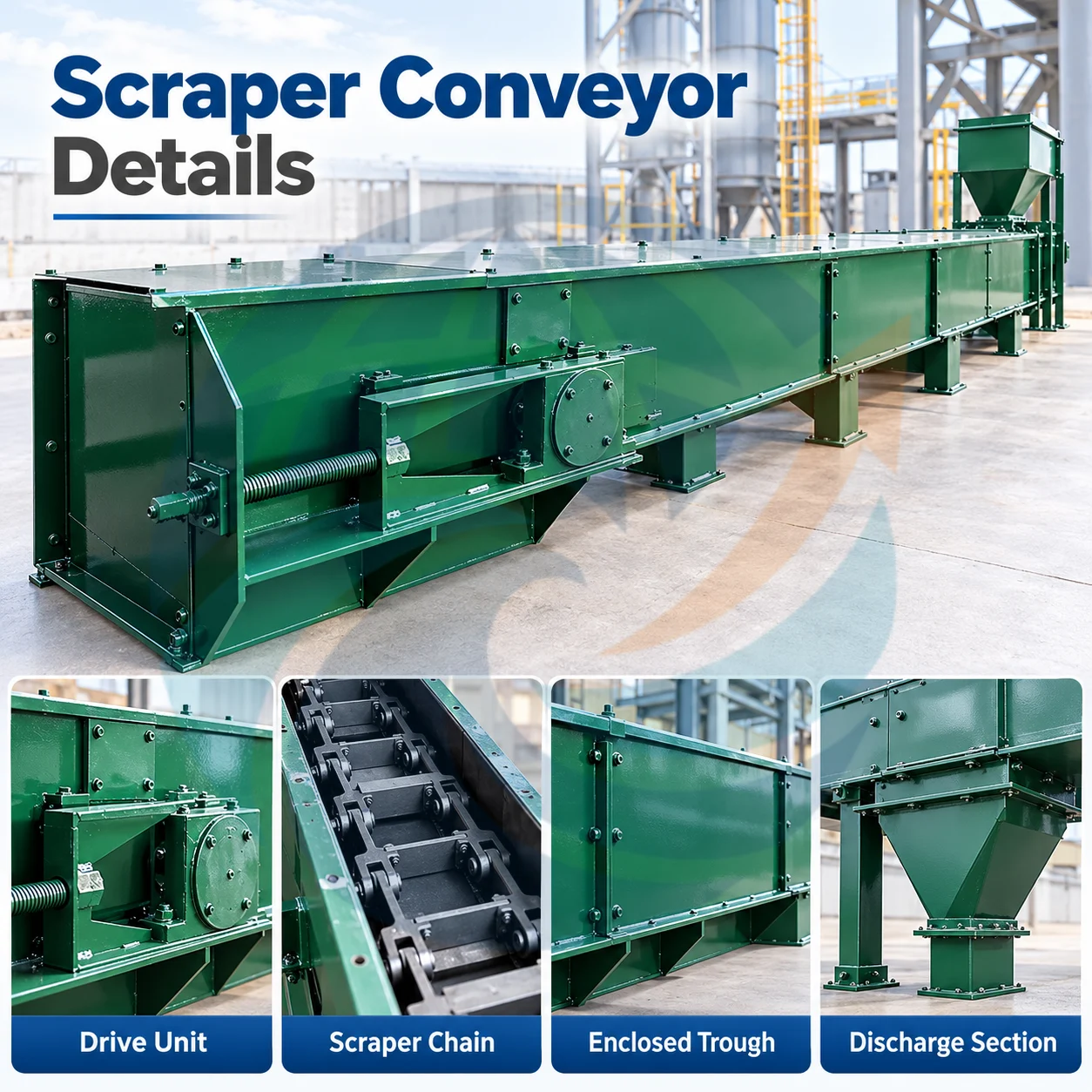
What to Confirm Before Ordering
Item What to Confirm
Material Size, density, moisture, abrasion and temperature
Required rate Normal and peak conveying duty
Route Length, elevation and direction changes
Feed and discharge Number and position of connections
Enclosure Containment and cleaning requirements
Maintenance Inspection access and wear-part requirements

Structural Details of Drag Chain Conveyors

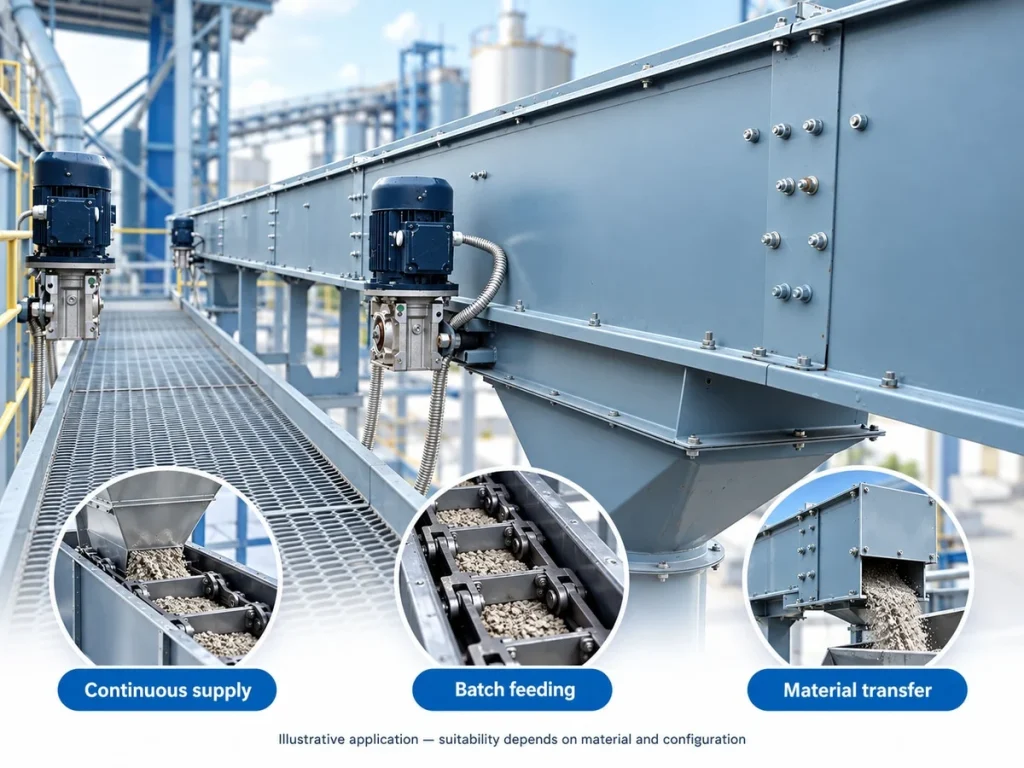
Illustration of drag chain conveyor: continuous supply, batch feeding, material transfer

Conveying Applications and Materials

Material Transfer Along a Defined Path

Chain-and-flight conveying is a transfer option to review when the material, route and loading conditions suit the construction. Identify where the material enters, where it leaves and whether the duty involves continuous supply or intermittent batches.

Material and Wear

Describe particle size, bulk density, moisture and abrasiveness. State the normal and maximum material temperature if relevant. These inputs support discussion of the chain, flights and contact surfaces for the intended duty.

Operating Duty

Provide a route sketch showing each loading and discharge point. Include elevation changes and the equipment at either end. Multiple outlets or enclosed construction should be confirmed as part of the proposed design.

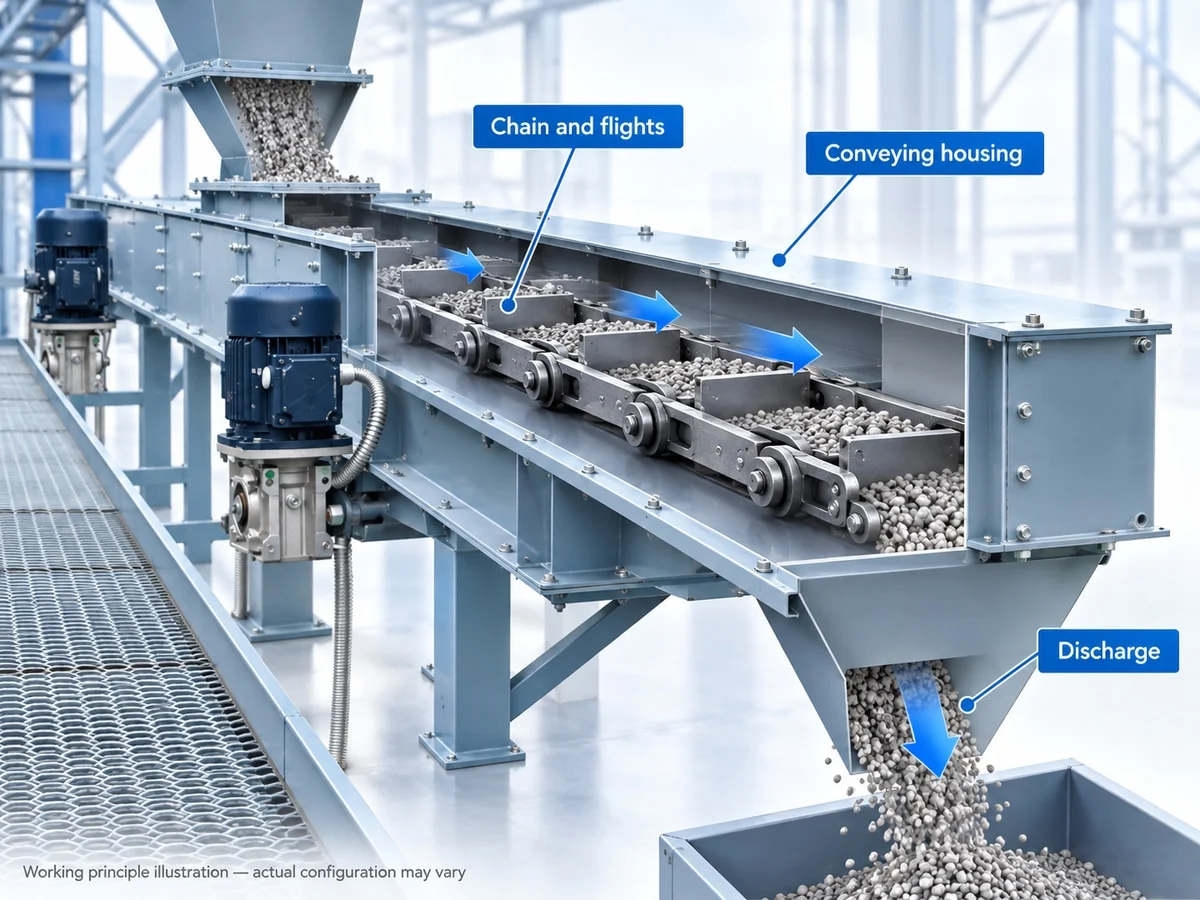
Illustration of drag chain conveyor: chain and flights, conveying housing, discharge

How the Drag Chain Conveyor Works

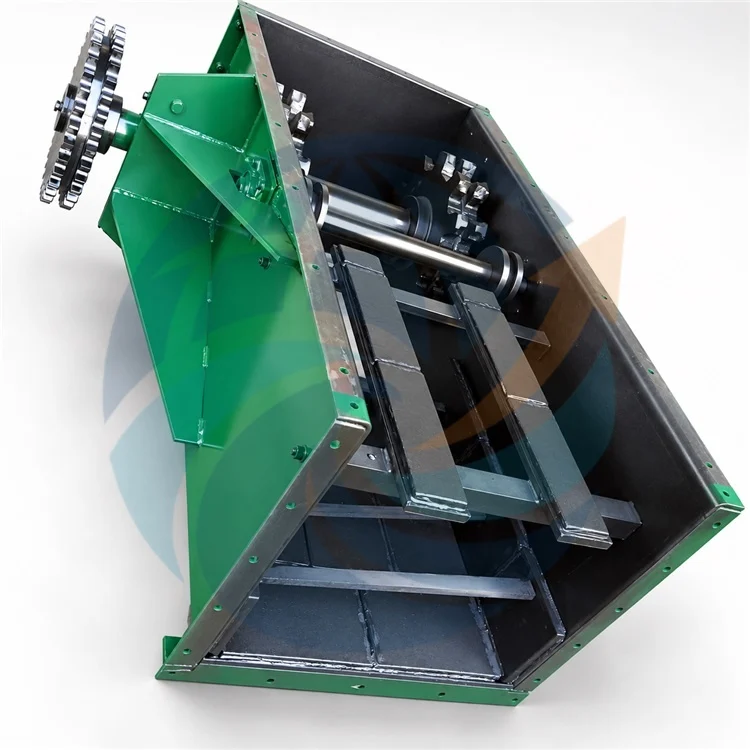
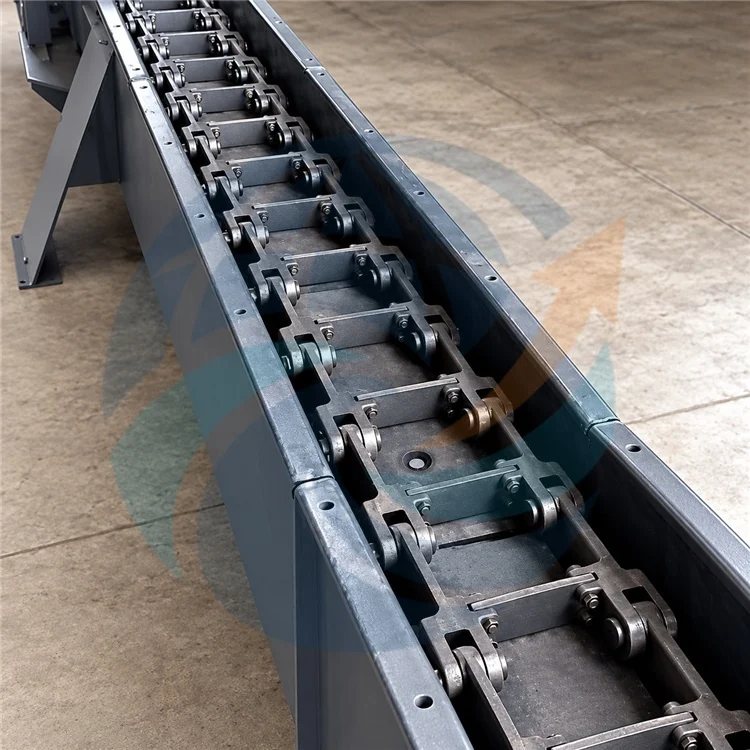
Chain and Flights

A moving chain carries flights along the conveying path. The flights move material toward the discharge. This operating structure differs from a belt conveyor and from a chain plate conveyor that carries material on plates.

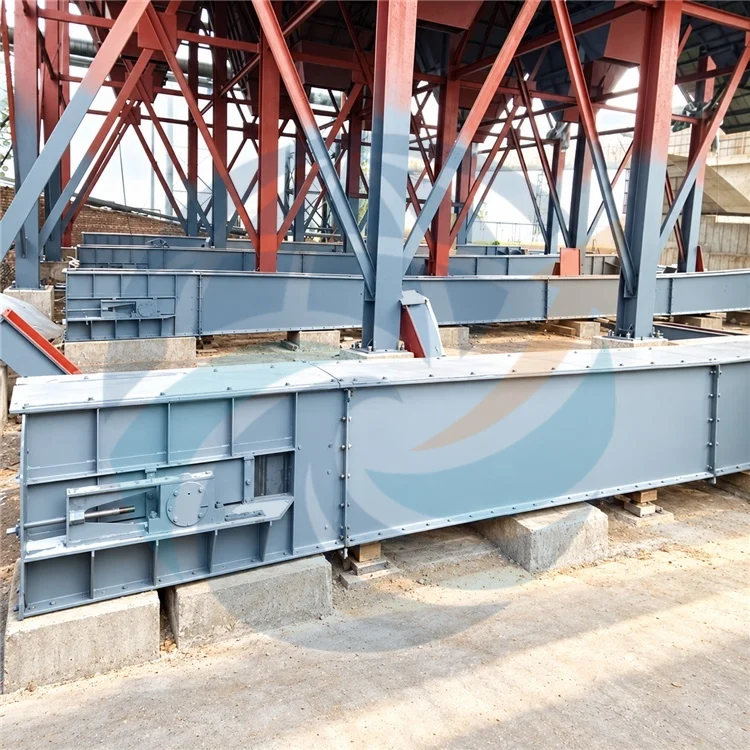
Conveying Housing

The housing forms the material path around the conveying assembly. Its construction and connections must match the required duty. A cover alone does not establish dust-tight performance or suitability for a particular material.

Loading and Discharge

The inlet introduces material to the conveying path, and the discharge connects it to the receiving stage. Any additional outlets or changes in route need confirmation in the proposed design and should appear in the installation layout.

Configuration, Cleaning and Installation

Chain and Wear Components

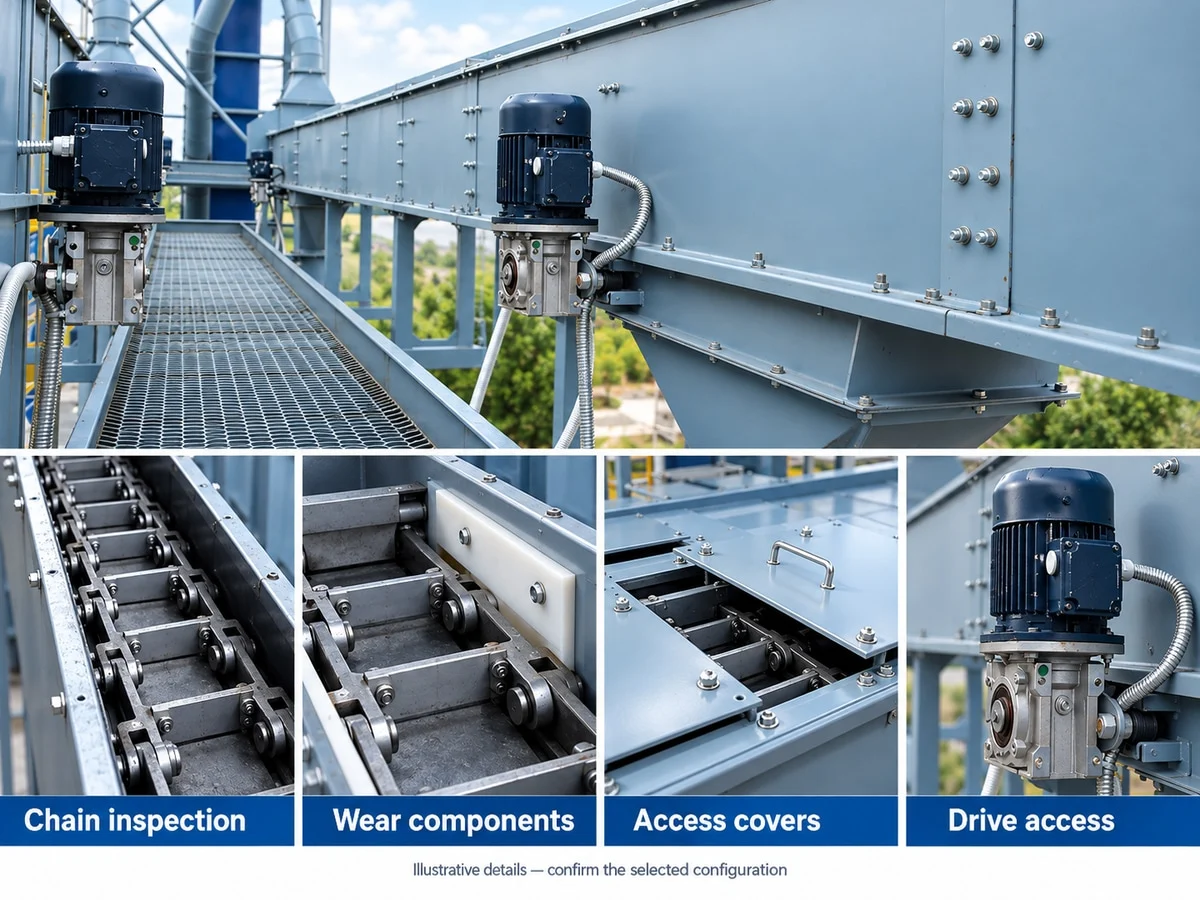
Confirm access for chain inspection and the replacement of wear components. Material abrasiveness, operating hours and cleaning needs should be part of the maintenance discussion. Ask for the actual inspection and adjustment instructions for the supplied equipment.

Inspection and Maintenance

Discuss access to the chain and wear components, cleaning needs and the site maintenance arrangement. Ask for the relevant inspection information for the selected equipment. A covered housing alone does not establish a dust-tight system.

Installation and Scope

Confirm the connection positions, available service space and electrical supply for the proposed drag chain conveyor. The quotation should identify the included drive, controls, supports and requested accessories. Check the agreed arrangement against the equipment documents before making permanent site connections.

Before Ordering

Include the destination country and your packing, documentation and spare-part requirements in the enquiry. Confirm the actual equipment configuration and commercial scope before placing an order. Any performance acceptance requirement should identify the material and operating conditions to be assessed.

Illustration of drag chain conveyor: chain inspection, wear components, access covers, drive access

Related Products

Equipment Guide & Support

About HaoYuan

Xinxiang Haoyuan Trading Co., Ltd. is a China-based supplier of industrial screening and material handling equipment.

We help customers review equipment options, technical specifications and available configurations based on their processing requirements.

From equipment selection to order coordination, we work with manufacturers to clarify supply scope, packing and delivery arrangements.

Is this the same as a chain plate conveyor?
No. Chain-and-flight and chain plate arrangements use different conveying structures. Compare the actual construction and material support method.
No. State the containment requirement and confirm the housing, seals and connections in the proposed scope.
Provide material properties, throughput, route dimensions and a sketch of all loading and discharge points.
Ask about chain inspection, tensioning access, wear parts and cleaning for the selected construction. Confirm the required service space on the final layout.

Send Your Inquiry Today

全局表单

Talk to an Engineer

全局表单