
Rotary Vibrating Sieve vs. Tumbler Screener: How to Compare Them
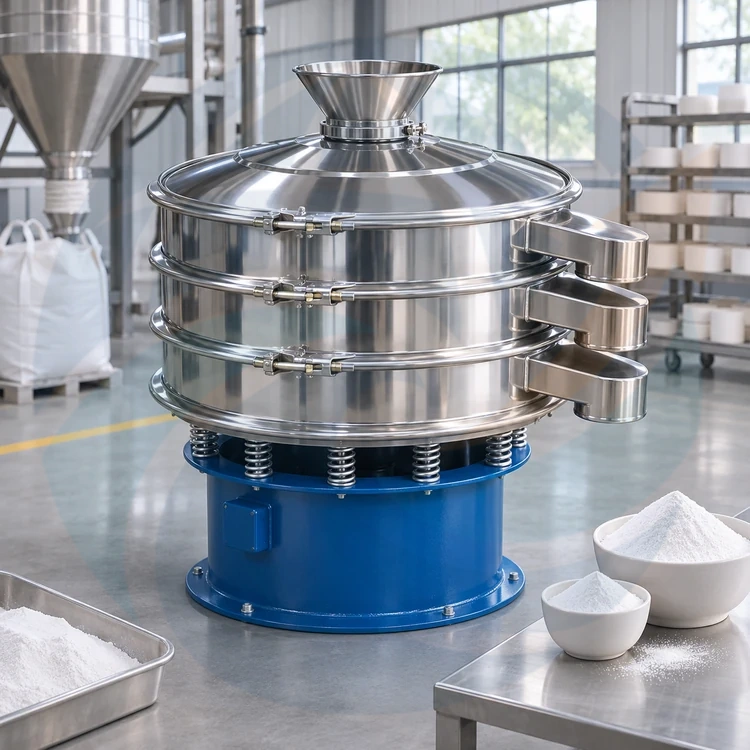
Quick Answer Compare a rotary vibrating sieve and a tumbler screener by the actual motion, material response and required separation. Neither machine name guarantees better accuracy or gentler handling. The relevant question is how each candidate handles your powder or granules at the required quality. For the wider decision process, see the vibrating screen selection guide. Website image of a multi-deck vibro sifter configuration. Rotary Sifter Comparison: What to Check Request the same feed specification for both trials. Record throughput, retained fractions, product condition and cleaning effort. Fragile particles may require attention to breakage, while cohesive powders may make screen cleaning the limiting issue. Include the complete screen-cleaning arrangement in the […]
Linear vs. Circular Vibrating Screens: Which Fits Your Screening Task?
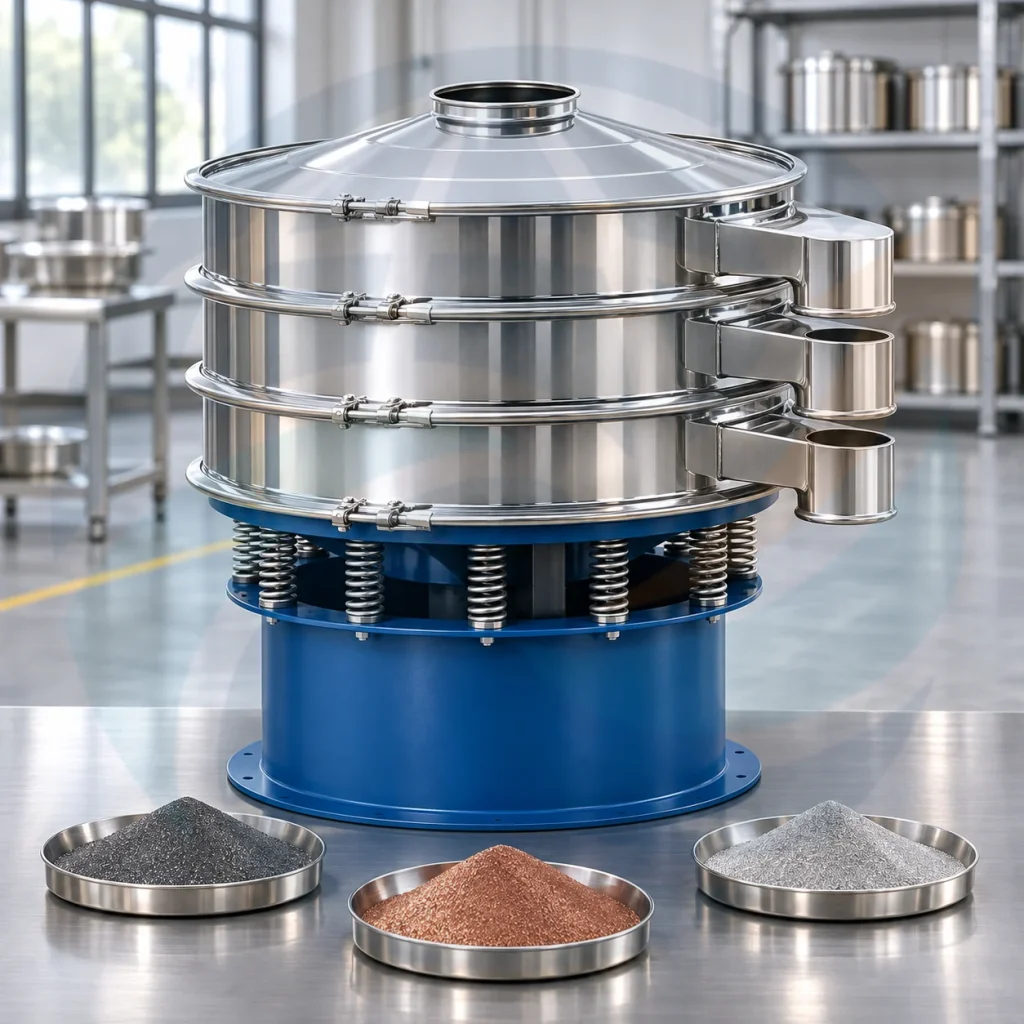
Quick Answer Linear and circular describe motion patterns, but the labels alone do not define the complete machine. In particular, a heavy-duty circular-motion aggregate screen should not be confused with every round powder sifter. Ask what motion, construction and screening duty the supplier means. For the wider decision process, see the vibrating screen selection guide. Website image of a multi-deck vibro sifter configuration. Linear Screen Comparison: What to Check Compare feed size, required cut, deck arrangement and material behavior on the proposed equipment. Review how material travels to each outlet and how the installation accommodates feeding and maintenance. A motion pattern that works for one duty does not establish a general […]
How to Choose a Vibrating Screen for Your Material and Process
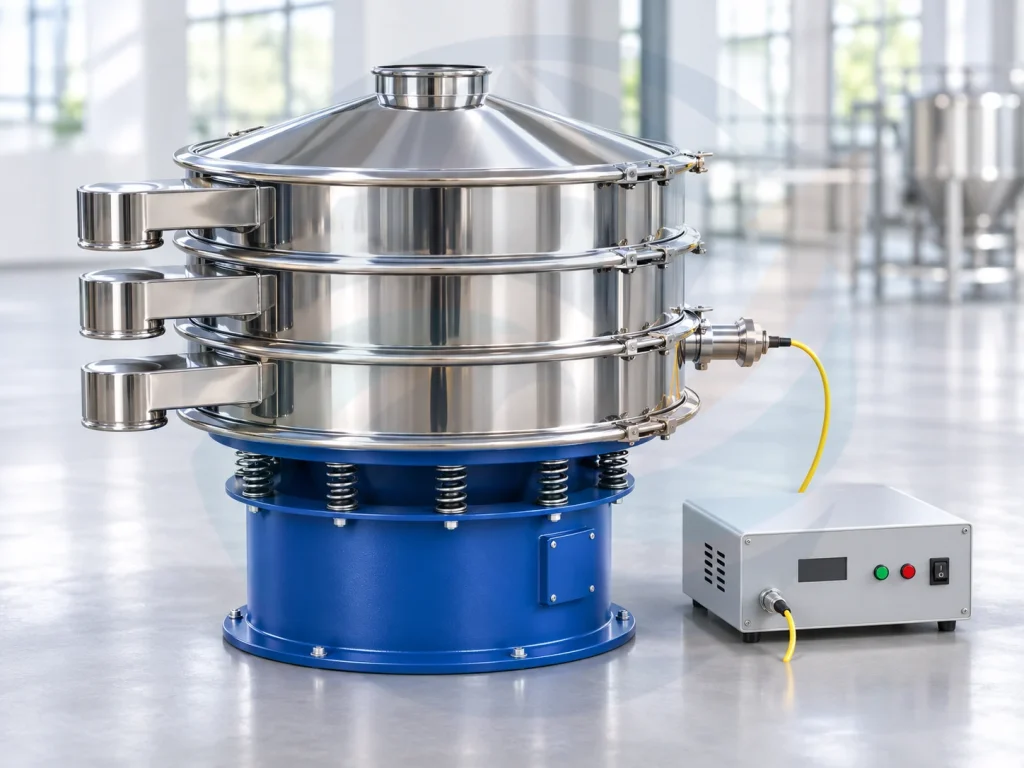
Quick Answer Choose a vibrating screen by defining the separation task, material characteristics and required product quality before comparing machine sizes. A screen that handles free-flowing granules may not suit cohesive powder, slurry or coarse abrasive feed. The machine, screening surface and feed arrangement need to work together. Website image of a multi-deck vibro sifter configuration. Screen Selection Criteria: What to Check Start with representative particle-size data, moisture, bulk density and the expected feed range. Decide whether the process removes occasional contamination, produces several saleable fractions or separates solids from liquid. These tasks create different selection priorities. Request a material trial when suitability cannot be established from relevant operating evidence. […]
回転式、直線式、超音波式振動スクリーン:どれを選ぶべきか?
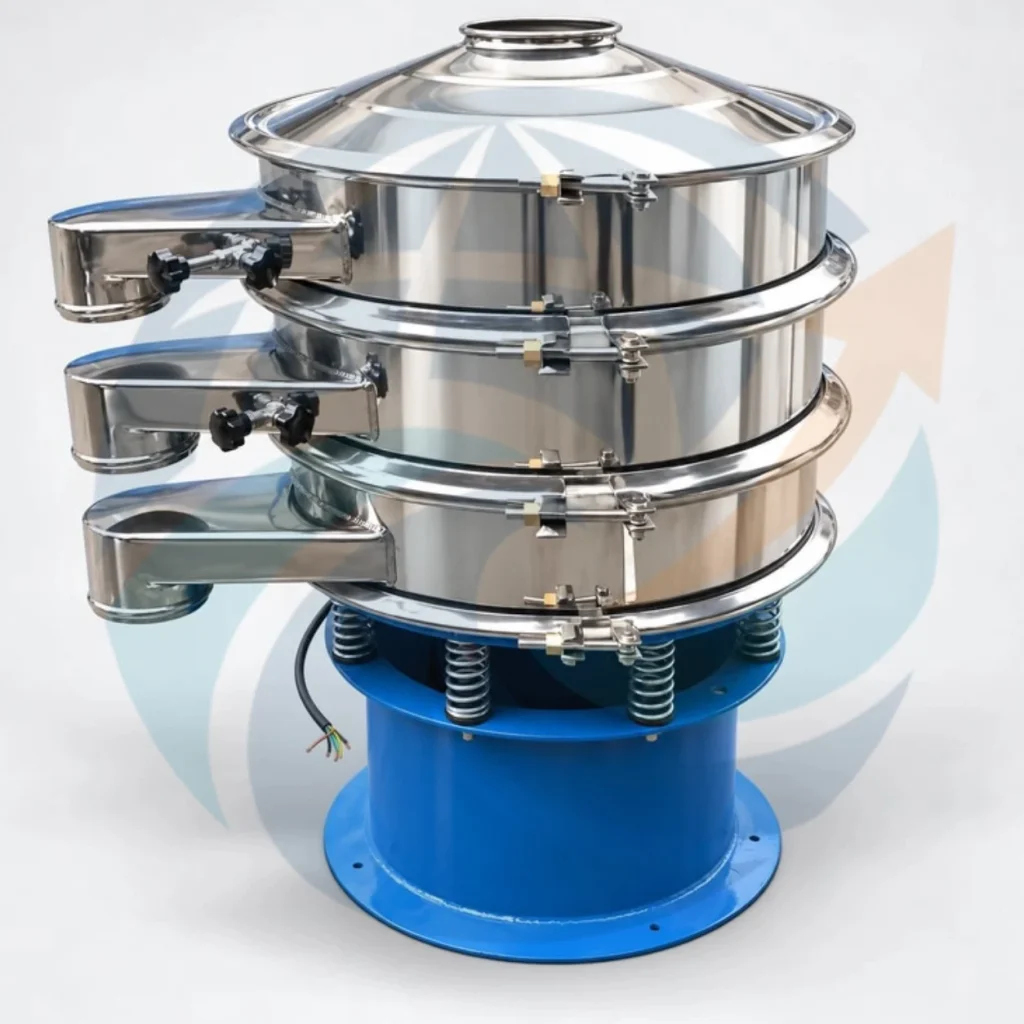
Rotary vs. Linear vs. Ultrasonic Vibrating Screens: Which Should You Choose? Choosing the right vibrating screen requires more than comparing machine shapes or screening mesh sizes. Rotary, linear, and ultrasonic screening systems are used for different material-handling challenges, and their suitability depends on particle characteristics, separation requirements, processing conditions, and production objectives. For industrial buyers, the key question is not simply which vibrating screen is better. It is which screening method is appropriate for the material and the intended process. This guide explains the differences between rotary, linear, and ultrasonic vibrating screens, their typical applications, the limitations buyers should consider, and the information needed before requesting an equipment quotation. 1. […]
材料に適した振動スクリーンを選ぶ方法
Selecting the right vibrating screen starts with understanding your material—not choosing a machine based on its appearance, price, or a general capacity claim. A screening machine that performs well with dry plastic granules may behave differently when processing fine flour, cohesive chemical powders, or abrasive mineral particles. Particle size distribution, moisture, bulk density, flowability, and the required separation result all influence equipment selection. To choose a suitable vibrating screen, first define your screening objective, identify the feed material’s properties, establish your target separation size and throughput, and then compare appropriate screening technologies. Final machine sizing should be confirmed against the actual processing conditions. This guide explains how industrial buyers and […]
 English
 French
 German
 Indonesian
 Korean
 Malay
 Japanese