
振動フィーダー
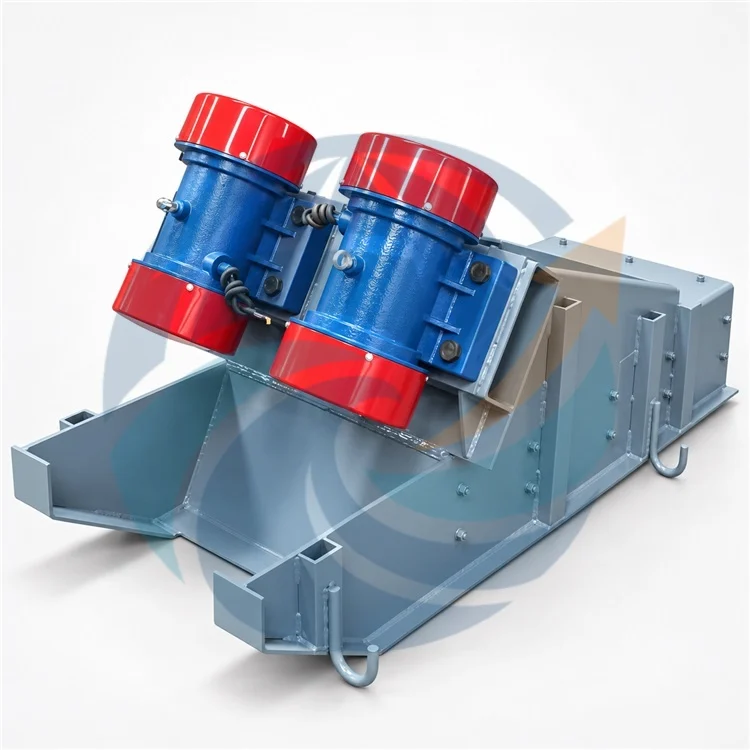
A vibrating feeder moves material along a vibrating tray toward downstream equipment. The feed arrangement should be reviewed with the hopper, material behaviour and required flow. Identify the intended drive and control arrangement when comparing proposals. A vibrating feeder can serve as the delivery stage between a material supply point and receiving equipment. Its duty is defined by the required material flow, the hopper arrangement and the operating sequence of the next machine. These requirements should be considered together. Feed material: Maximum size, density, moisture and abrasion. Feed rate: Normal/peak rate and operating cycle. Hopper: Outlet size, head of material and loading method.
ドラッグチェーンコンベア
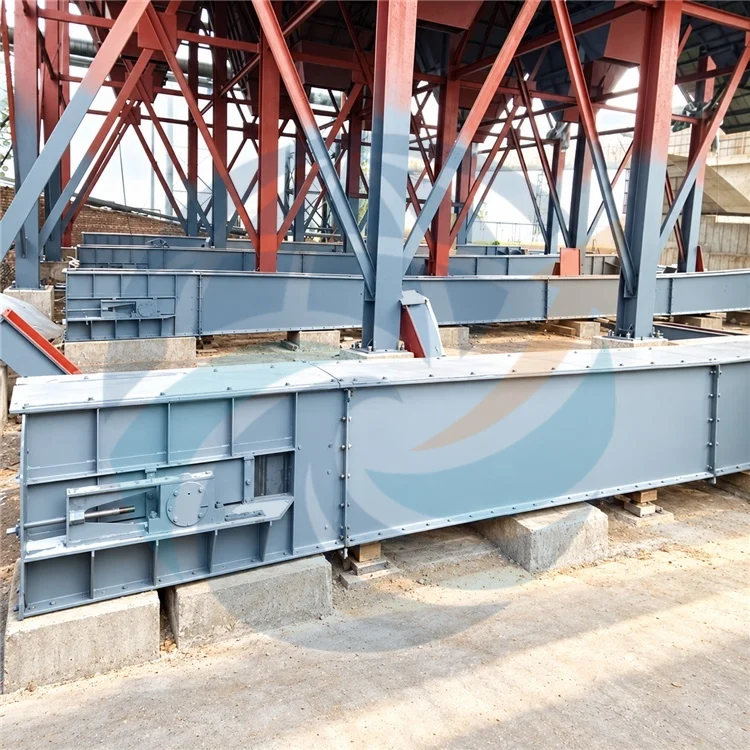
A drag chain conveyor uses a moving chain and flights to move material along a conveying path. Selection depends on the bulk material, route and loading conditions. Confirm the actual conveyor construction before deciding whether it matches your process. Chain-and-flight conveying is a transfer option to review when the material, route and loading conditions suit the construction. Identify where the material enters, where it leaves and whether the duty involves continuous supply or intermittent batches. Material: Size, density, moisture, abrasion and temperature. Required rate: Normal and peak conveying duty. Route: Length, elevation and direction changes.
ベルトコンベア
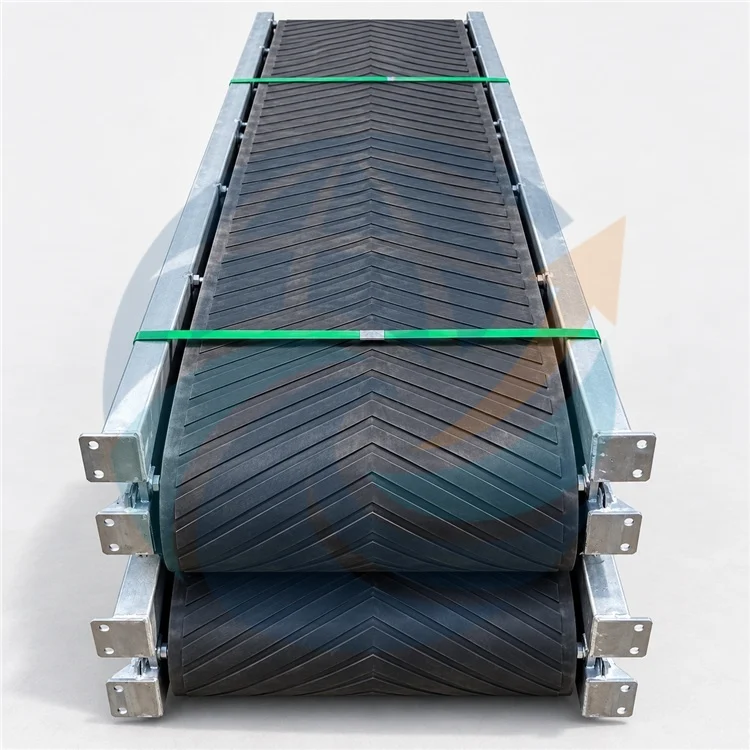
A belt conveyor carries material on a moving belt between loading and discharge points. Define the route, material and transfer conditions first. Belt selection and the supporting arrangement should follow the duty and available installation space. A belt conveyor can connect loading, processing and collection stages. The transfer points deserve as much attention as the conveyor length: feed position, drop height and the receiving equipment affect how the system fits together. Specify the actual route before reviewing a belt arrangement. Bulk material: Size, density, moisture and temperature. Throughput: Normal and peak required rate. Route: Length, elevation change and available width.
スクリューコンベア
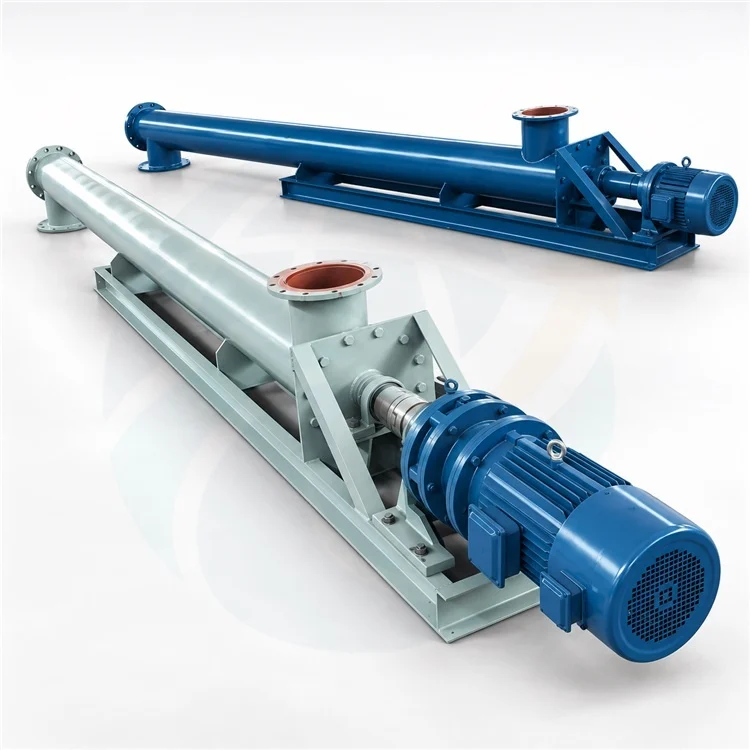
A screw conveyor moves bulk material through a tube or trough using a rotating screw. The proposed arrangement depends on the material, route and feeding conditions. Describe both connection points and the required transfer duty before selecting dimensions. Screw conveying can be considered for connecting a material supply point to the next machine or collection point. Define whether the duty is transport along a route or controlled extraction from a hopper. These duties need different attention to the inlet and operating arrangement. Material: Particle size, bulk density, moisture and temperature. Transfer duty: Required throughput and feeding method. Route: Length, incline and elevation change.
直線振動スクリーン
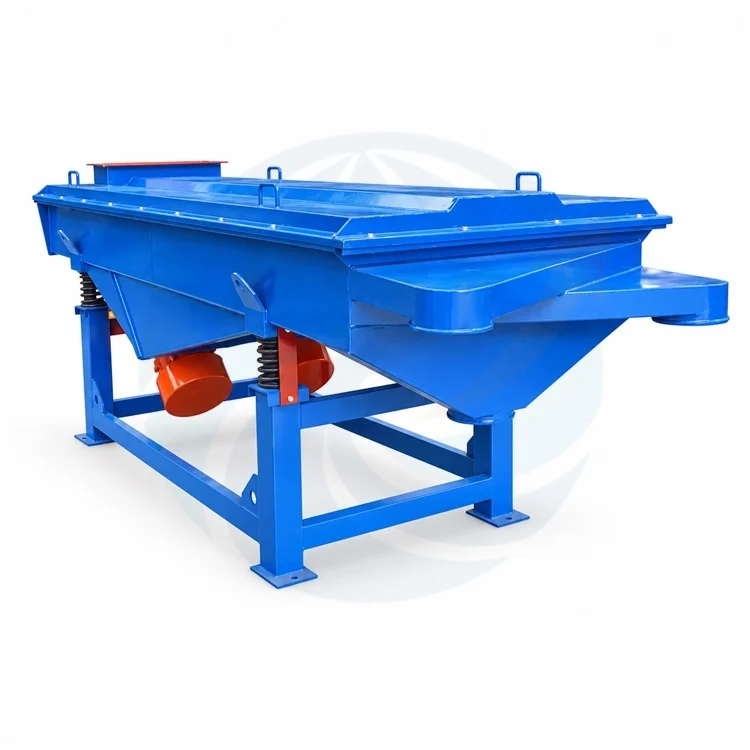
A linear vibrating screen uses a vibrating screen deck to move and separate material along the machine. Selection should connect the required particle size cuts with the feed characteristics, deck arrangement and downstream collection layout. A linear screening arrangement can connect an incoming material stream with separate collection routes for the required fractions. The process brief should distinguish the incoming rate from the accepted product rate and identify oversize or fines that need to leave the process. Feed material: Particle size distribution, moisture and bulk density. Size cuts: Target apertures and required fractions. Throughput: Normal and peak incoming rate.
超音波振動スクリーン
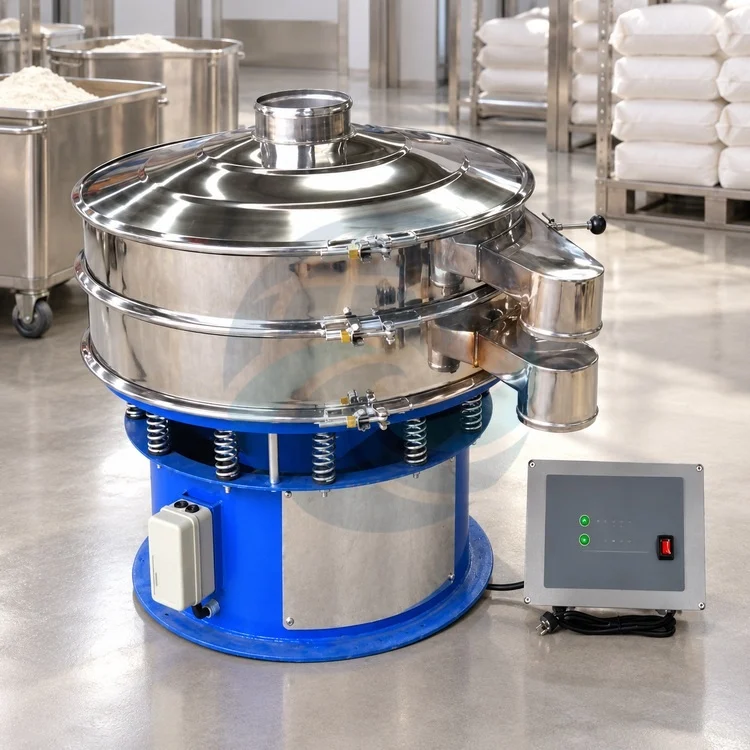
An ultrasonic vibrating screen combines a screening machine with an ultrasonic mesh deblinding system. The arrangement is considered when powder behaviour makes conventional screening difficult. Selection starts with the material, desired separation and the problem observed at the mesh. This screening approach combines a particle-size separation task with a review of mesh blockage. The material still needs a defined opening and an accepted fraction. The ultrasonic system addresses the screening assembly; it is not a substitute for understanding the powder or establishing the required separation. Powder behaviour: Sticking, agglomeration or observed mesh blockage. Screen opening: Target aperture and required retained fraction. Throughput: Required feed rate under stated material conditions.
回転式振動スクリーン
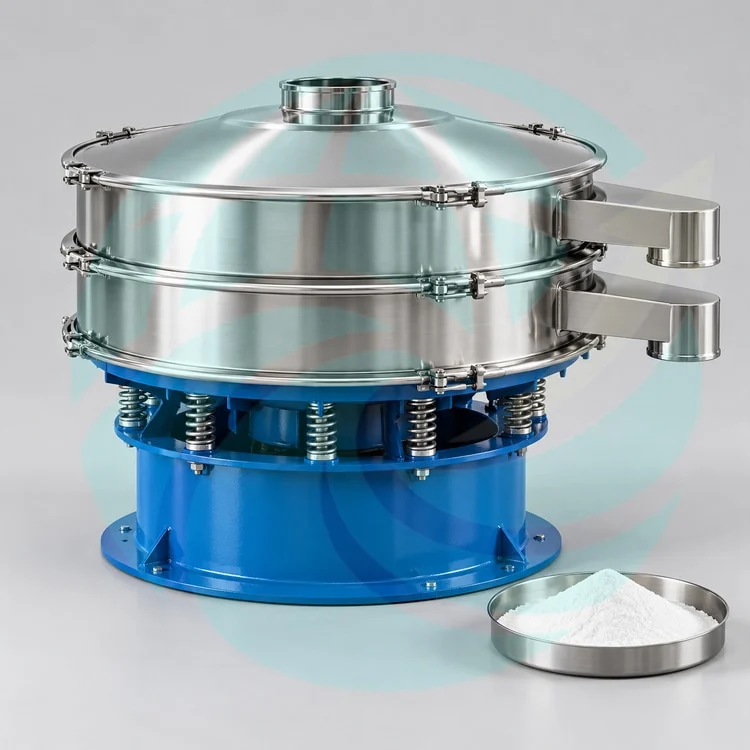
A rotary vibrating screen is a circular screening machine used for grading, separating and removing oversized particles from powders and granules. Its vibrating motion helps material pass through the screen mesh while separating particles by size. Key Features: Suitable for powder and granule screening Single-deck or multi-deck configurations Optional screen mesh sizes and contact materials Compact design for integration into processing lines
 English
 French
 German
 Indonesian
 Korean
 Malay
 Japanese