
450 Silent Vibrating Screen
Compact screening equipment for fine powders and small-batch material separation
What Is a 450 Silent Vibrating Screen?
A 450 silent vibrating screen, also known as a 450-type raised-rim rotary vibrating sieve is a compact screening machine designed for powder classification, impurity removal, and small-batch material processing. Its space-saving structure and low-noise design make it suitable for workshops and production lines with limited installation space.
The machine uses a vibration motor to generate three-dimensional screening motion. Material moves across the circular screen surface, allowing fine particles or suitable liquids to pass through the mesh while oversized particles are discharged separately. Depending on the configuration, covered screening structures help reduce dust escape and support continuous operation.
Key features include precise particle separation, effective screen area utilization, compact construction, quick start-up, and flexible discharge arrangements. The discharge outlet can be positioned around the screen circumference to suit different material handling layouts.
The 450 silent vibrating screen can be considered for suitable materials in chemical processing, pharmaceuticals, food production, ceramics, metallurgy, and selected environmental applications. Actual screening performance depends on material properties, mesh opening, and operating conditions.
When Should You Consider a 450 Silent Vibrating Screen?
A 450 silent vibrating screen is worth considering when compact equipment, relatively low-noise operation, and convenient material discharge are important. It is particularly suitable for evaluating small-scale powder screening, particle grading, and impurity removal requirements.
Typical materials may include resin powders, pigments, pharmaceutical ingredients, sugar, starch, ceramic powders, calcium carbonate, and selected metal powders. Liquid filtration applications may also be considered when the equipment and screen configuration are compatible.
However, high-moisture materials, strongly adhesive powders, abrasive particles, and demanding throughput requirements may require additional screening tests or different equipment configurations.
To evaluate equipment suitability, please provide:
Material Properties: Material name, particle size distribution, moisture content, and flowability.
Screening Requirements: Target mesh opening, required separation result, and expected capacity (kg/h).
Operating Conditions: Dry or wet processing, dust containment needs, available space, and discharge arrangement.
For additional guidance, refer to our vibrating screen selection guide
450 Silent Vibrating Screen Applications by Industry
Explore compact screening solutions for powders, granules, and selected liquids across industries
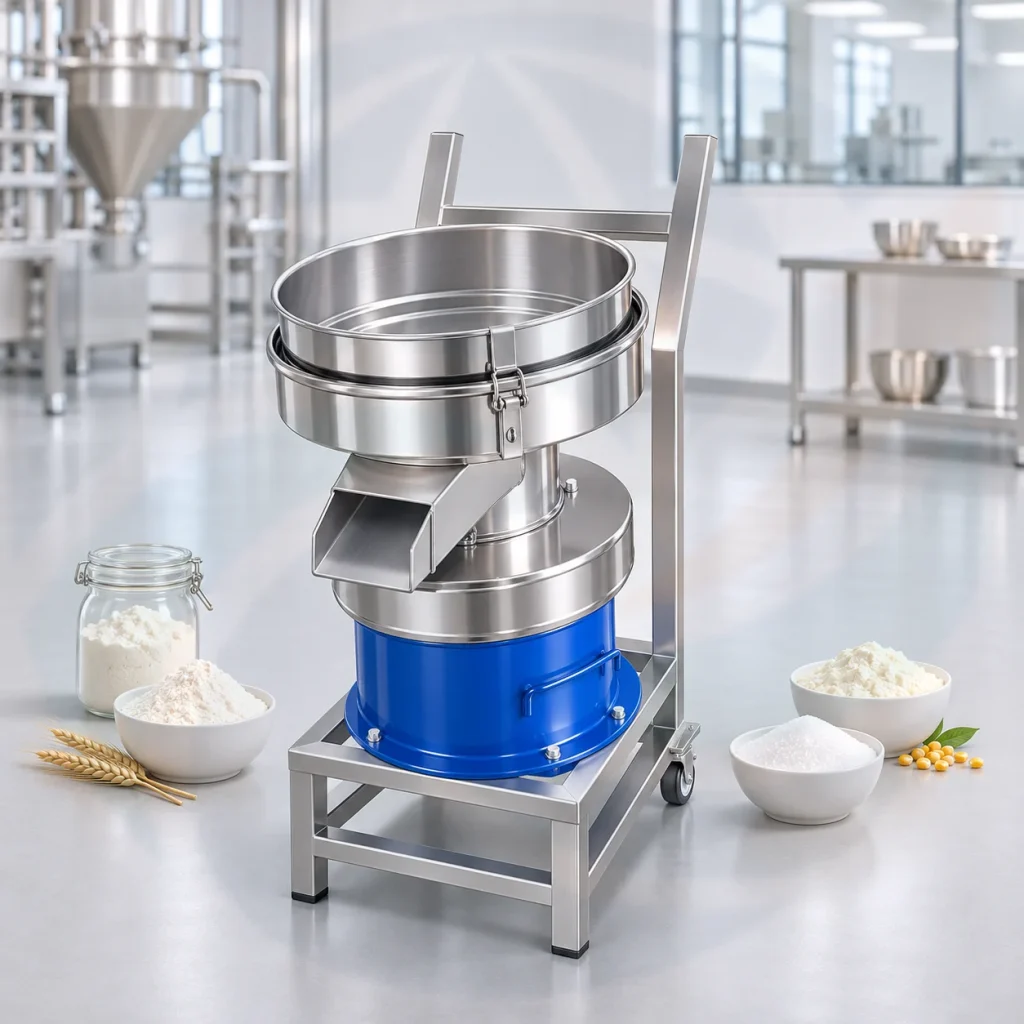
450 Silent Screen for Food Processing
Screen sugar, starch, salt, and rice flour for particle grading and oversize removal
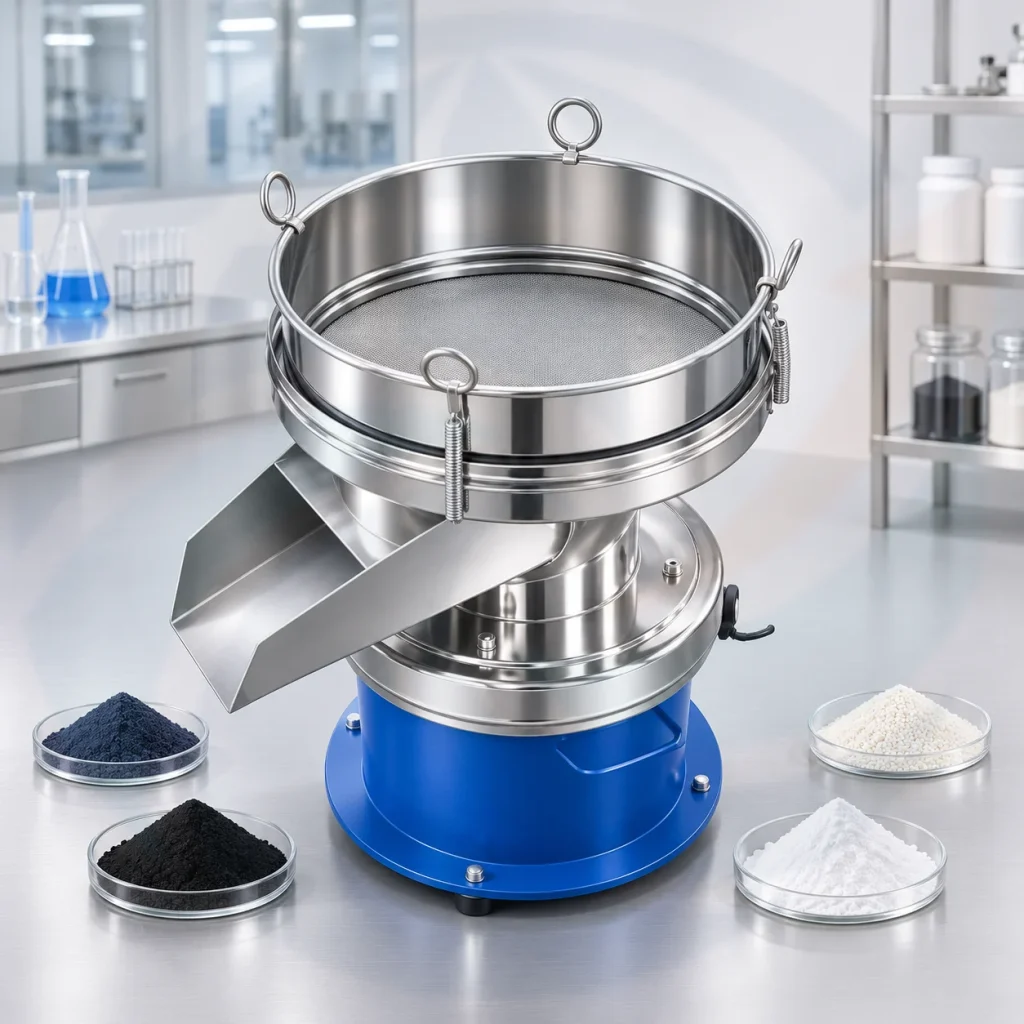
450 Silent Screen for Chemical Powders
Classify pigments, carbon black, and chemical powders with suitable dust-control measures
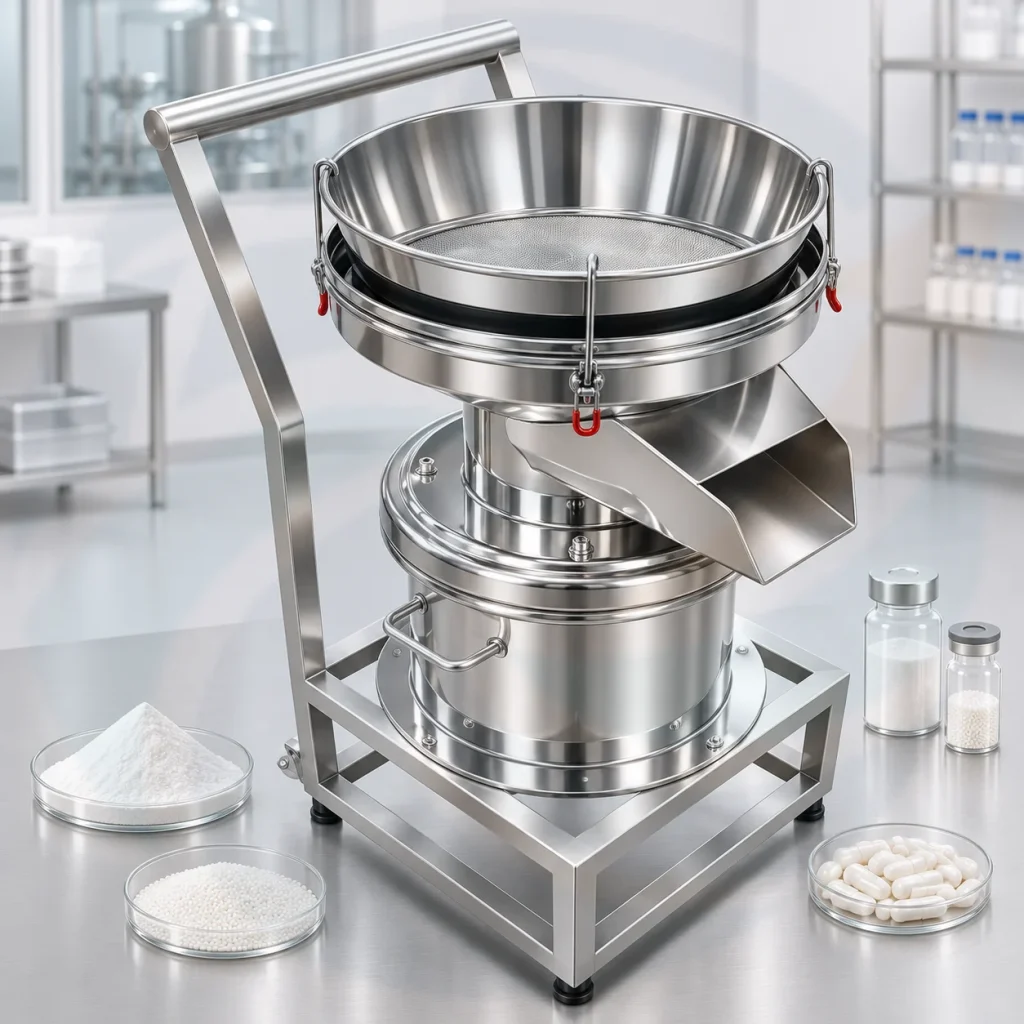
450 Silent Screen for Pharmaceutical Powders
Screen herbal and pharmaceutical powders with hygienic design and material compatibility
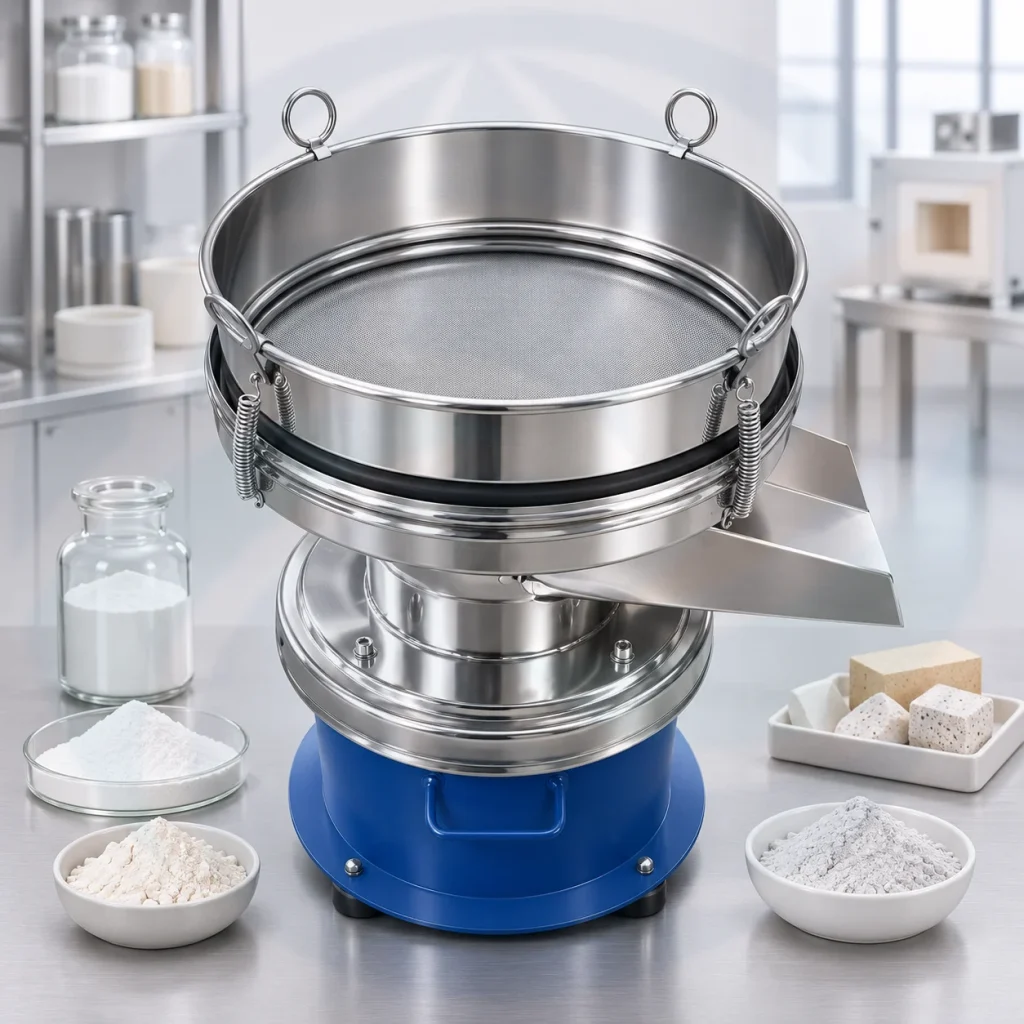
450 Silent Screen for Ceramics & Refractories
Separate ceramic powders, kaolin, and refractory materials with suitable mesh configurations
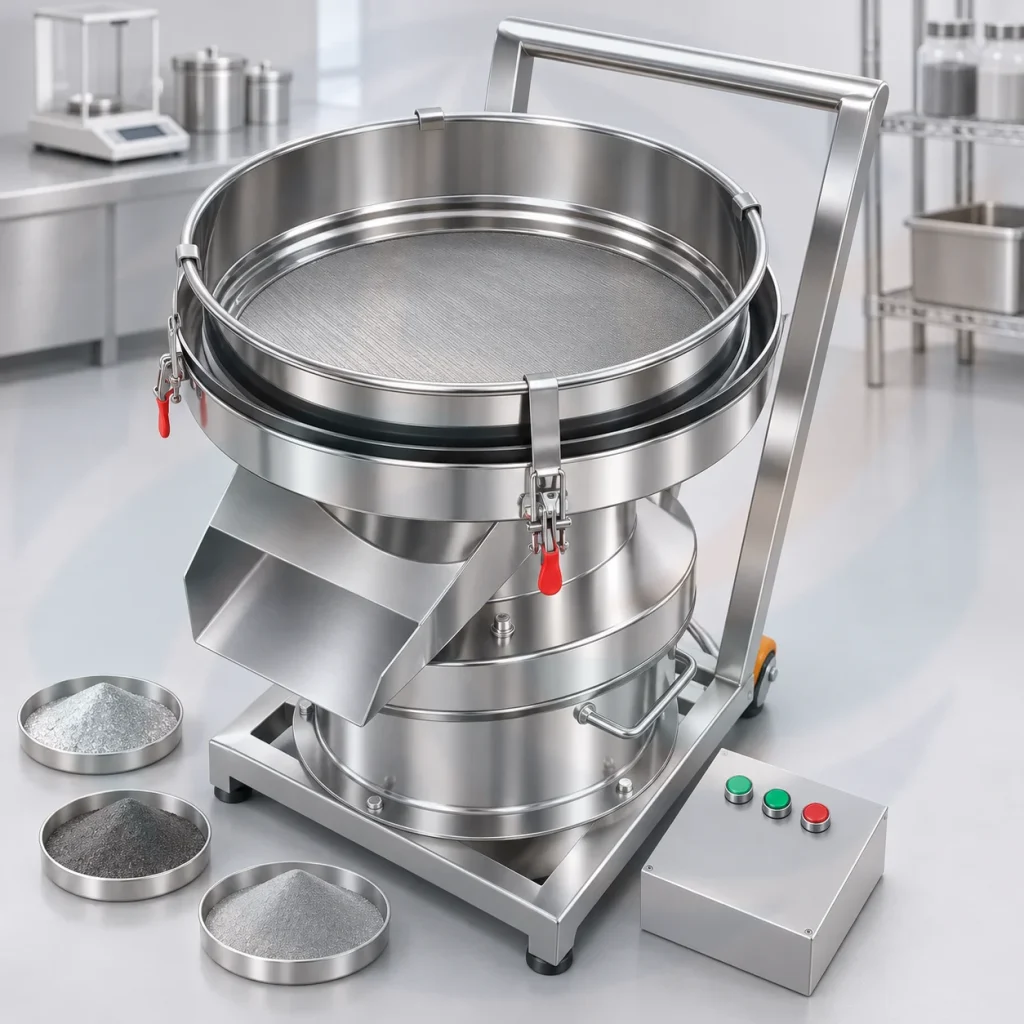
450 Silent Screen for Metal Powders
Grade selected metal powders and foundry materials with appropriate dust and contamination controls
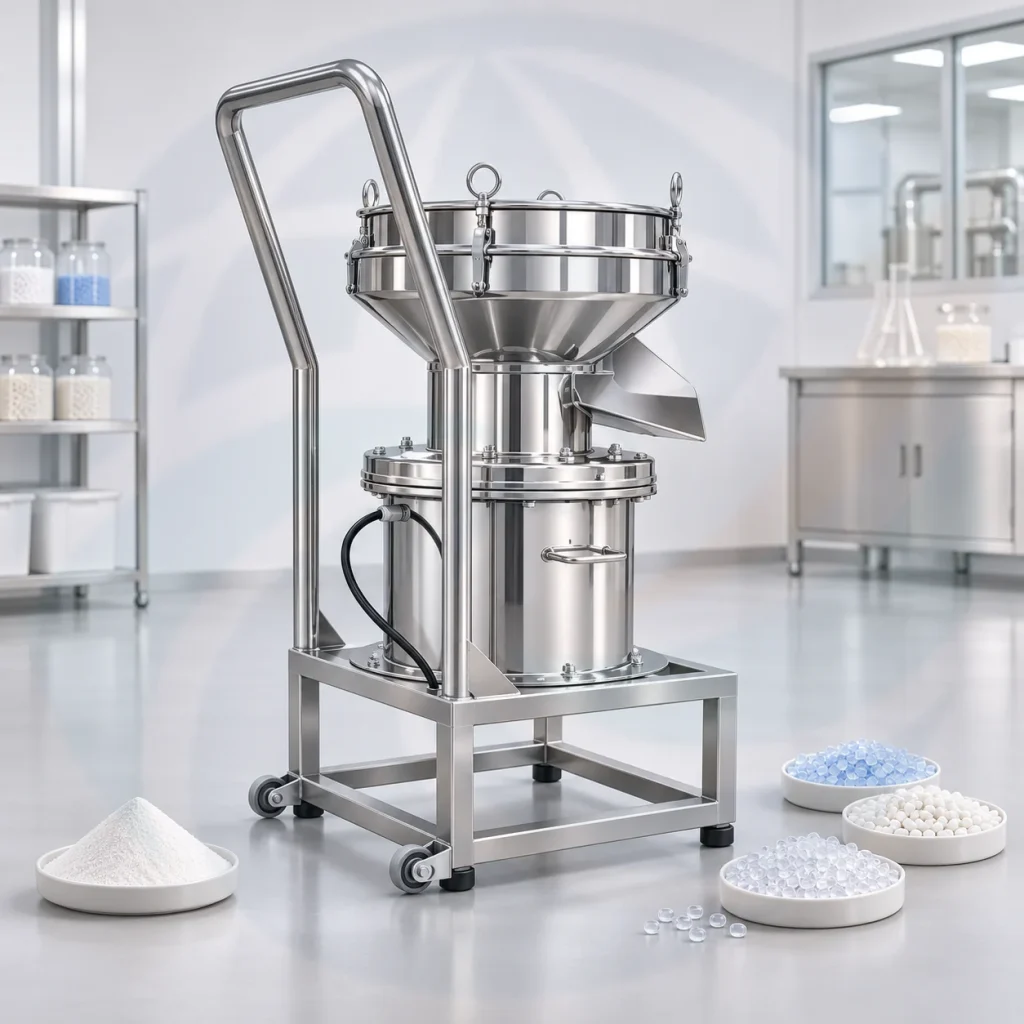
450 Silent Screen for Resins & Plastics
Screen resin and polyethylene powders for oversize removal while considering material flowability
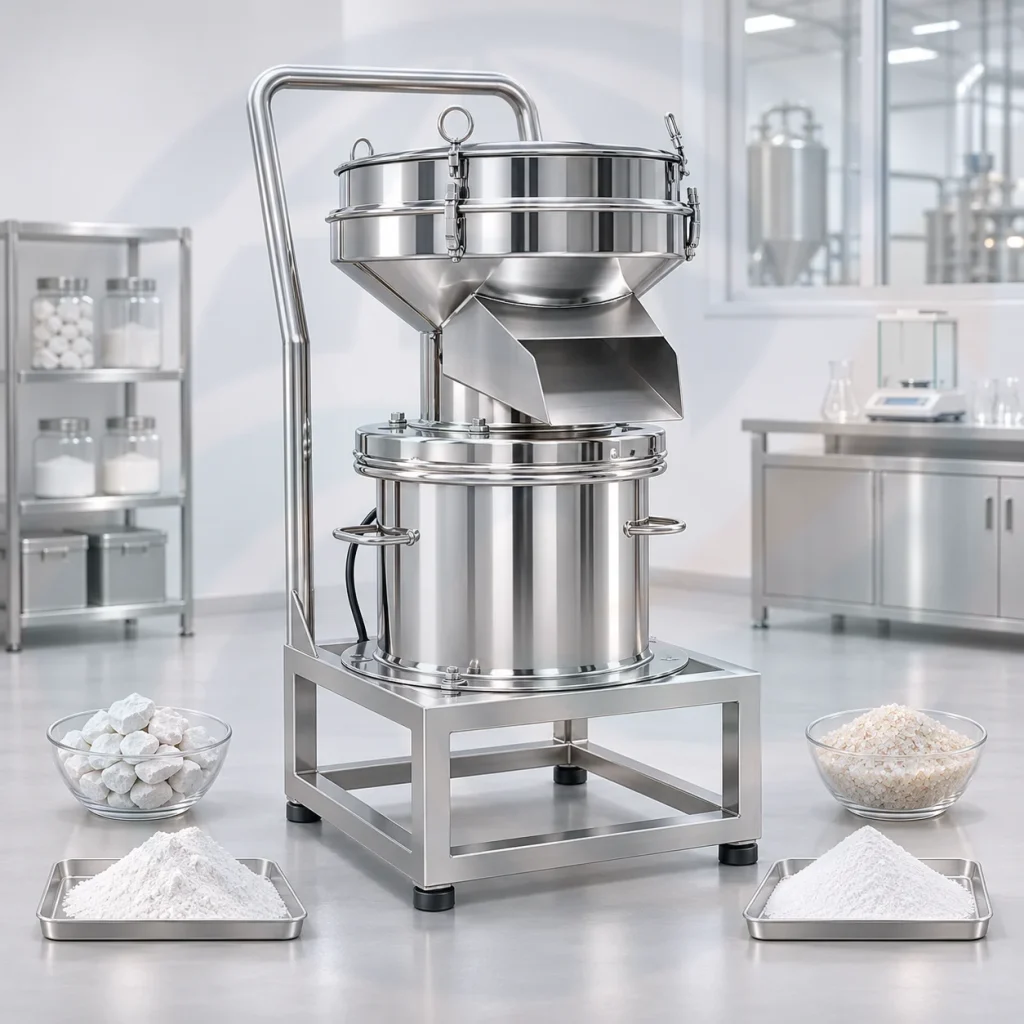
450 Silent Screen for Industrial Minerals
Classify calcium carbonate, quartz sand, and alumina according to particle size requirements
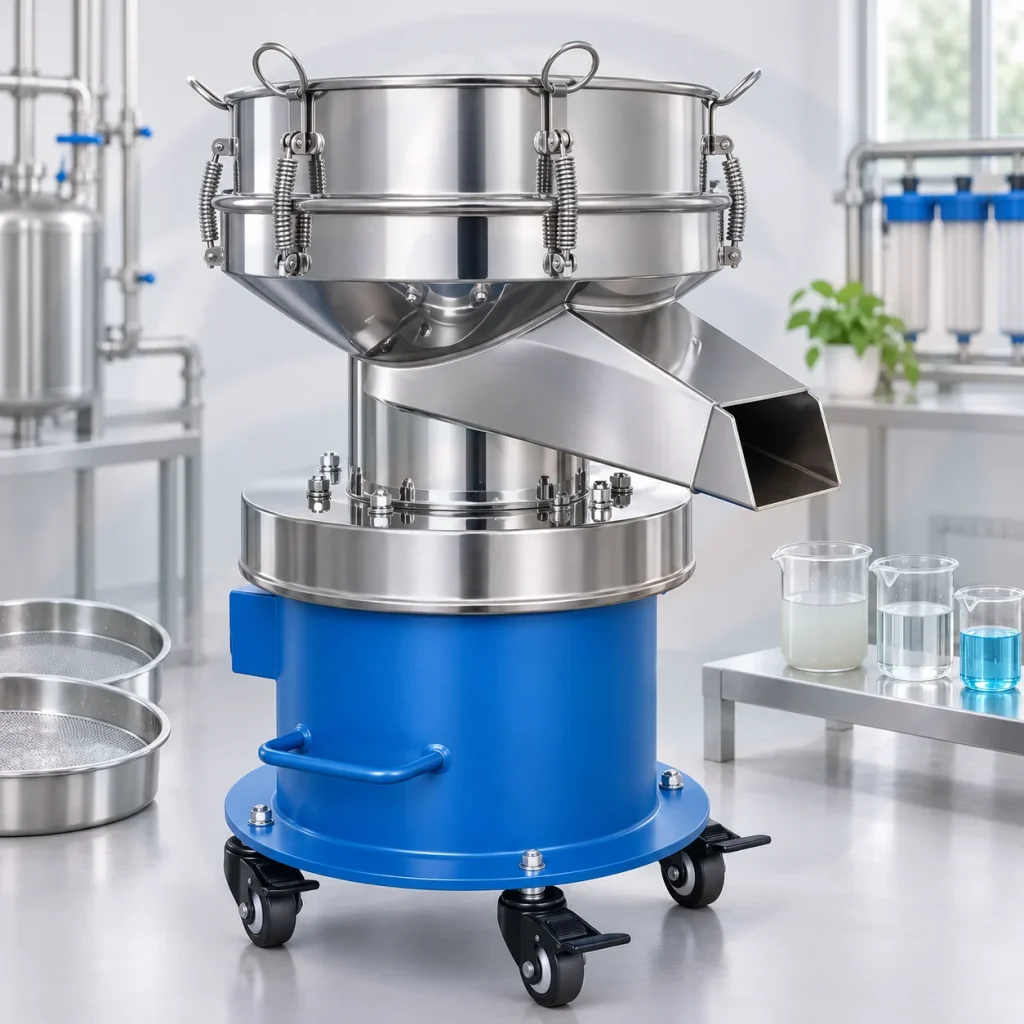
450 Silent Screen for Environmental Treatment
Screen suitable wastewater and process liquids for impurity removal and filtration
450 Silent Vibrating Screens by Material
Explore compact screening solutions for different powders and granular materials
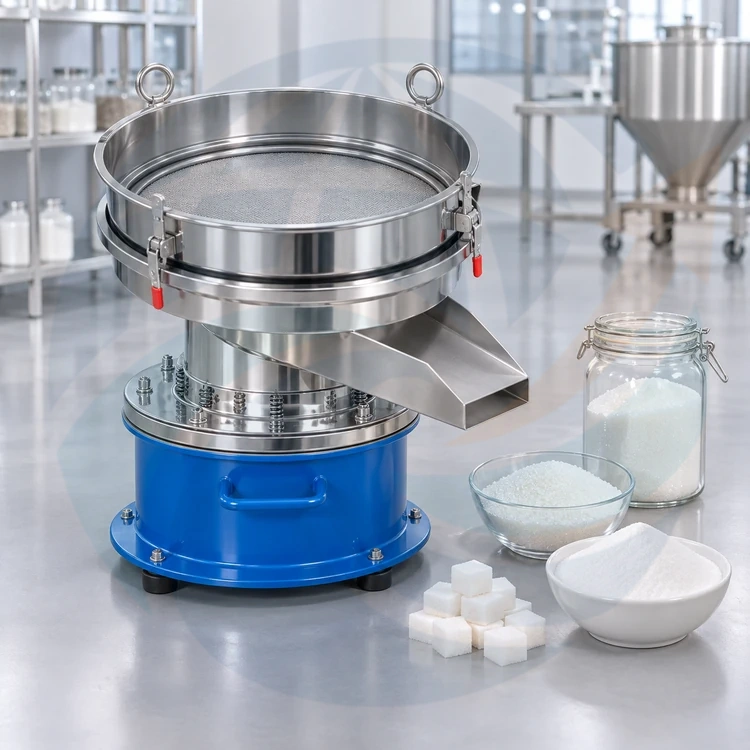
450 Silent Screen for Sugar Powder
Screen sugar powder to remove oversized particles and improve particle size consistency
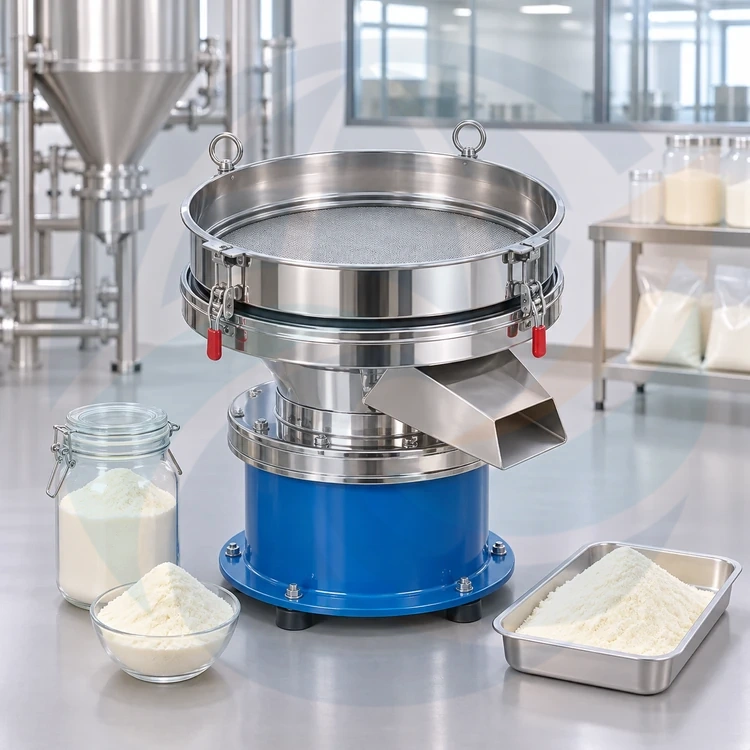
450 Silent Screen for Milk Powder
Screen milk powder for particle grading and removal of oversized material
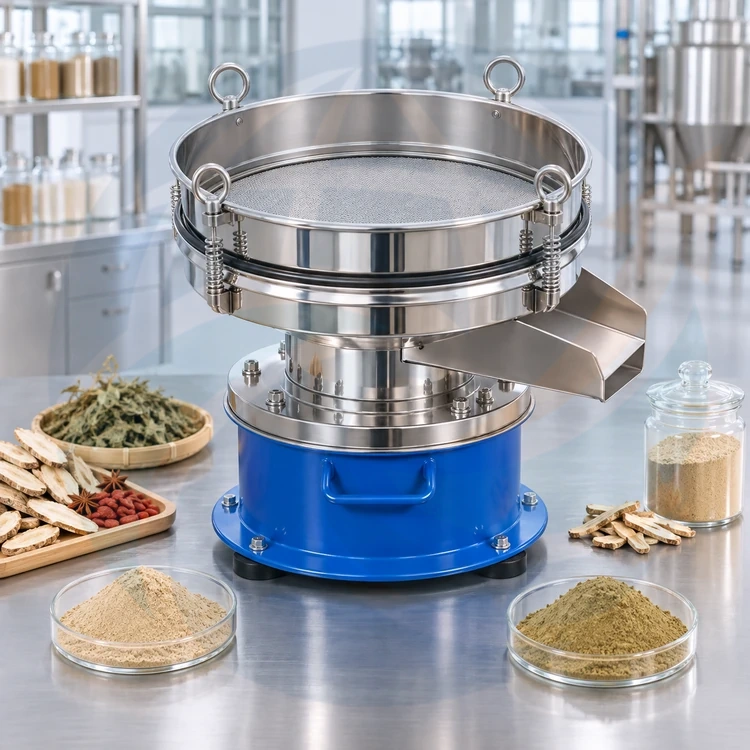
450 Silent Screen for Herbal Powder
Classify herbal powders by particle size with attention to cleaning requirements
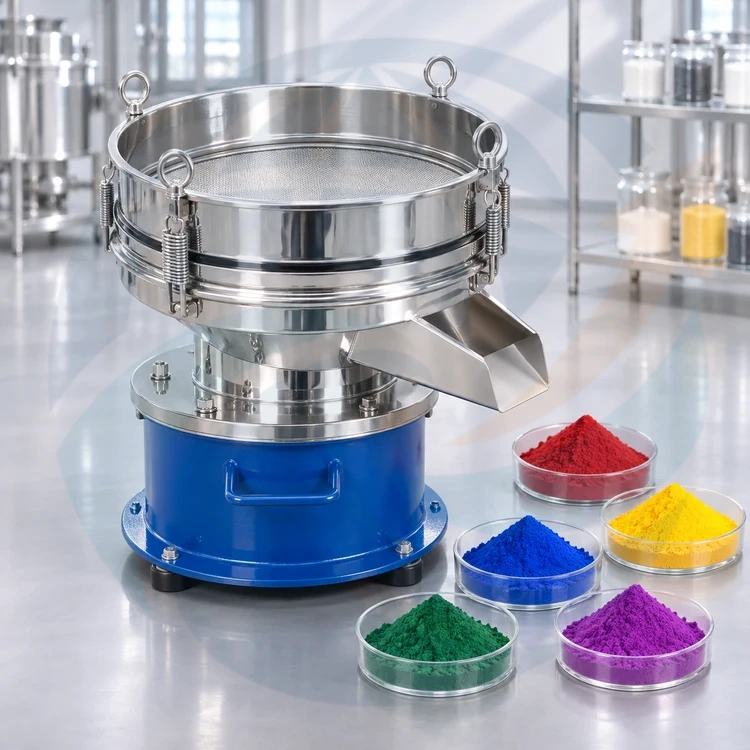
450 Silent Screen for Pigment Powder
Screen pigment powders to separate oversized particles and support consistent processing
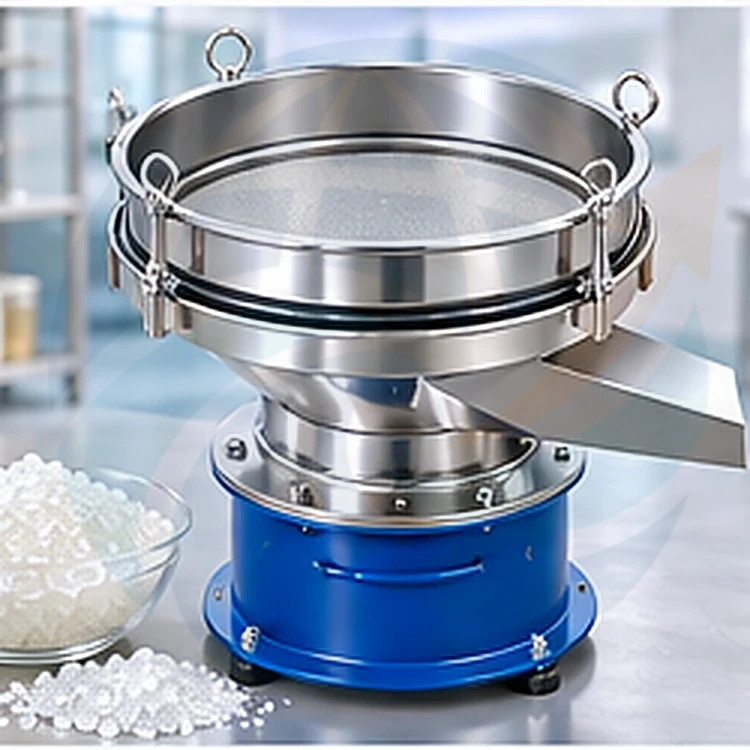
450 Silent Screen for Resin Powder
Classify resin powders by particle size while considering material flowability
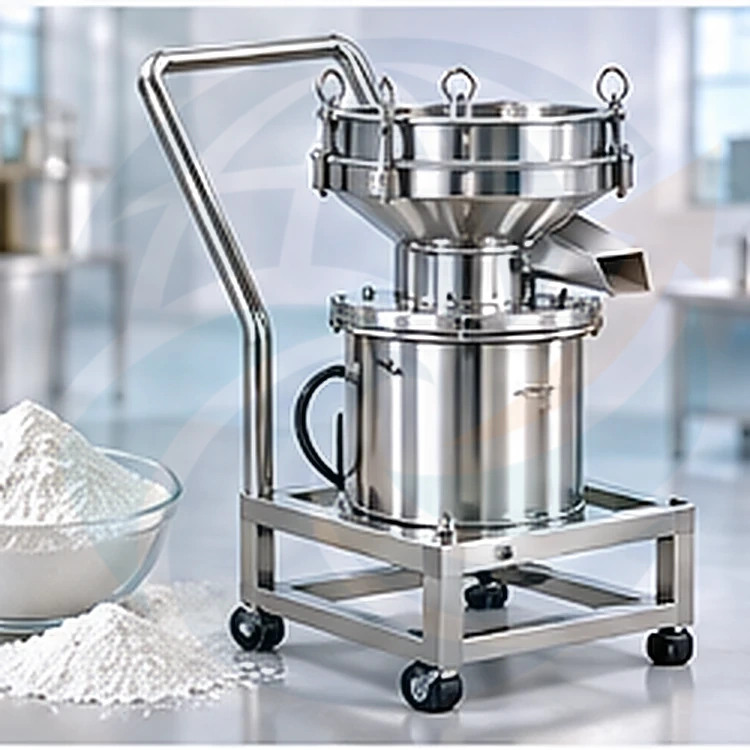
450 Silent Screen for Kaolin Powder
Screen kaolin powder for particle grading and removal of oversized material
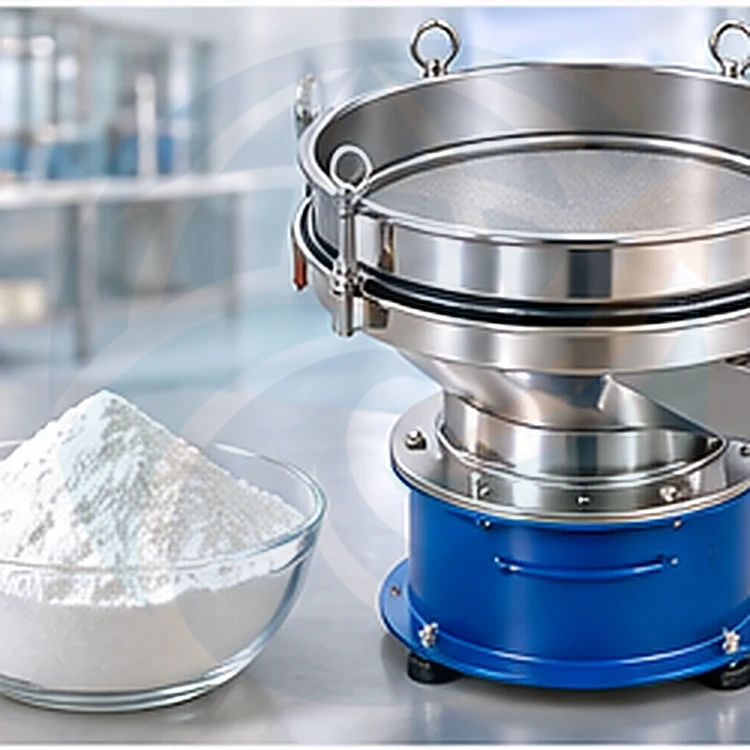
450 Silent Screen for Calcium Carbonate
Classify calcium carbonate powder according to required particle size and mesh opening
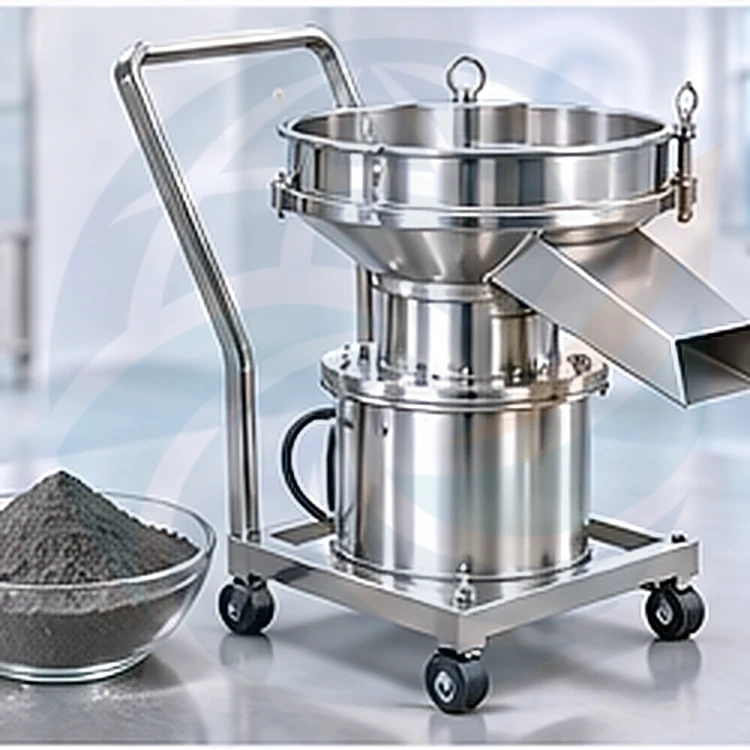
450 Silent Screen for Iron Powder
Screen suitable iron powders by particle size with attention to dust control
Why Choose Our 450 Silent Vibrating Screen?
The 450 silent vibrating screen is designed for small-batch screening, particle grading, and impurity removal. Its compact structure and relatively low-noise operation make it a practical option for production areas with limited installation space.
Compact & Low-Noise Design
The lightweight structure allows convenient installation and movement between work areas. Low-noise operation helps reduce disturbance in the surrounding workspace.
Precise Screening & Easy Maintenance
The circular vibrating screen supports particle separation through a selected mesh opening. Its accessible screen assembly makes cleaning and mesh replacement more convenient.
Flexible Discharge & Dust Control
The discharge outlet can be arranged in different directions to suit production layouts. Enclosed configurations can help reduce dust escape during continuous screening.
Actual screening performance depends on material characteristics, screen opening, and equipment configuration.
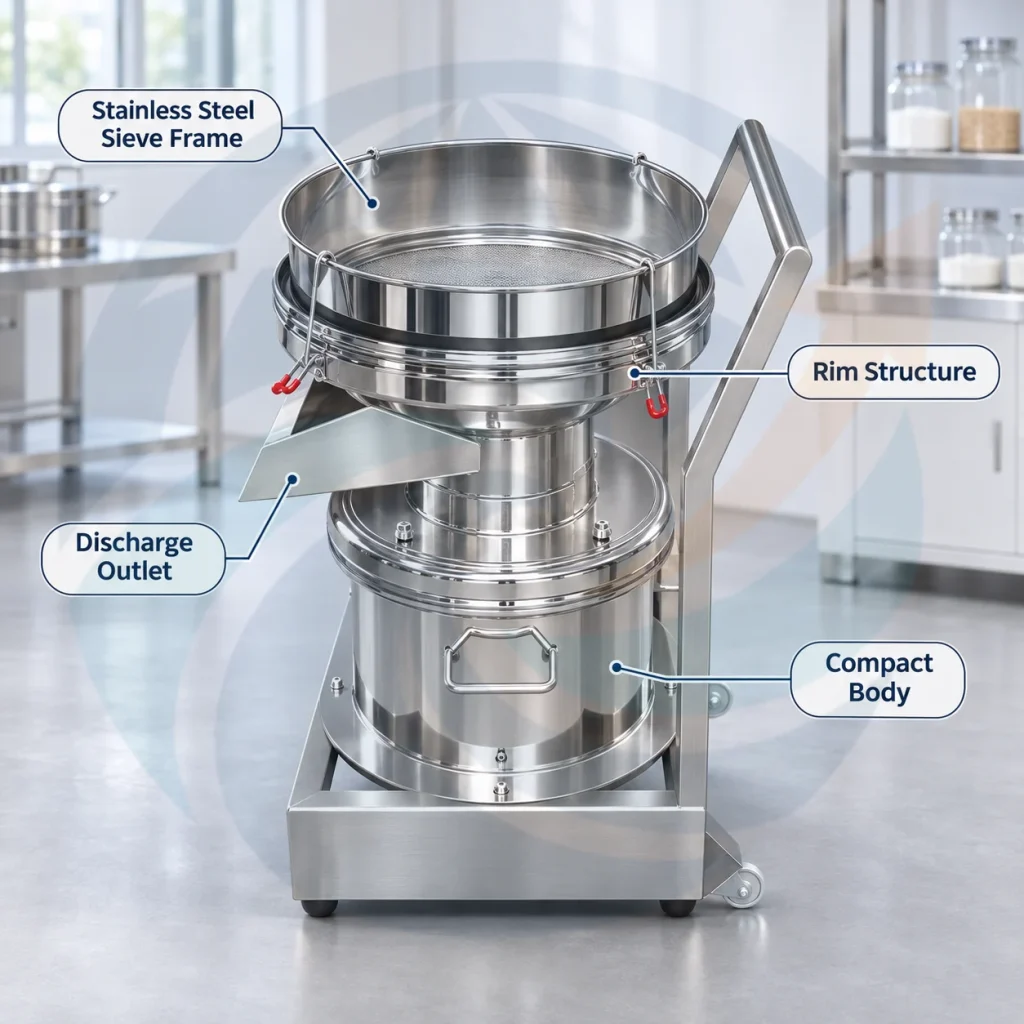
450 Silent Vibrating Screen Applications
The 450 silent vibrating screen can be used for small-scale particle classification, oversize removal, and screening of suitable powders and granules. Selected configurations may also be considered for liquid filtration.
Typical applications include food ingredients such as sugar, starch, and milk powder; chemical materials such as resins and pigments; and mineral powders including kaolin and calcium carbonate.
For pharmaceutical ingredients, metal powders, or wastewater filtration, equipment suitability should be evaluated against material properties, cleaning requirements, and applicable safety conditions.
Share your material, target particle size, and required processing capacity to discuss a suitable screening configuration.
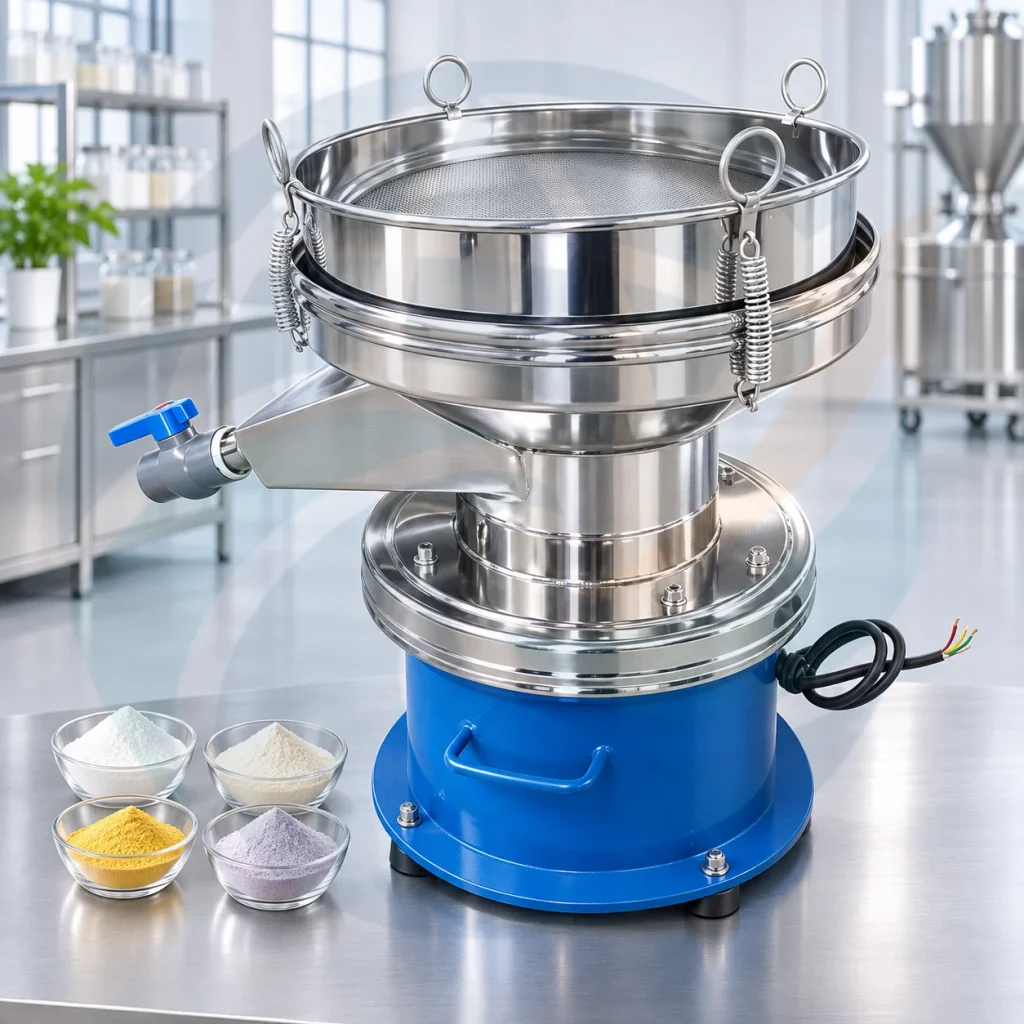
What to Confirm Before Selecting a 450 Silent Vibrating Screen
Share your material, mesh size, capacity, and installation needs to find a suitable screening configuration
| Information | Was man teilen sollte |
|---|---|
| Materialeigenschaften | Material name, particle size, moisture content, bulk density, and flowability. |
| Screening Objective | Powder grading, oversize removal, impurity separation, or liquid filtration. |
| Bildschirmöffnung | Required mesh opening in micrometers or millimeters, or mesh count with its standard. |
| Erforderliche Kapazität | Target throughput in kg/h or L/h, including continuous or batch operation. |
| Feeding Conditions | Dry powder, granules, or liquid materials, including feeding method and material characteristics. |
| Screen Configuration | Required screen mesh, raised-rim design, and any covering or sealing needs. |
| Staubbekämpfung | Dust containment requirements, potential material hazards, and operating conditions. |
| Contact Parts & Cleaning | Stainless steel grade, cleaning requirements, and material compatibility. |
| Discharge Arrangement | Preferred outlet direction, discharge height, and collection method. |
| Installation & Power | Available space, mobility needs, power supply, and site safety requirements. |
Explore Related Equipment
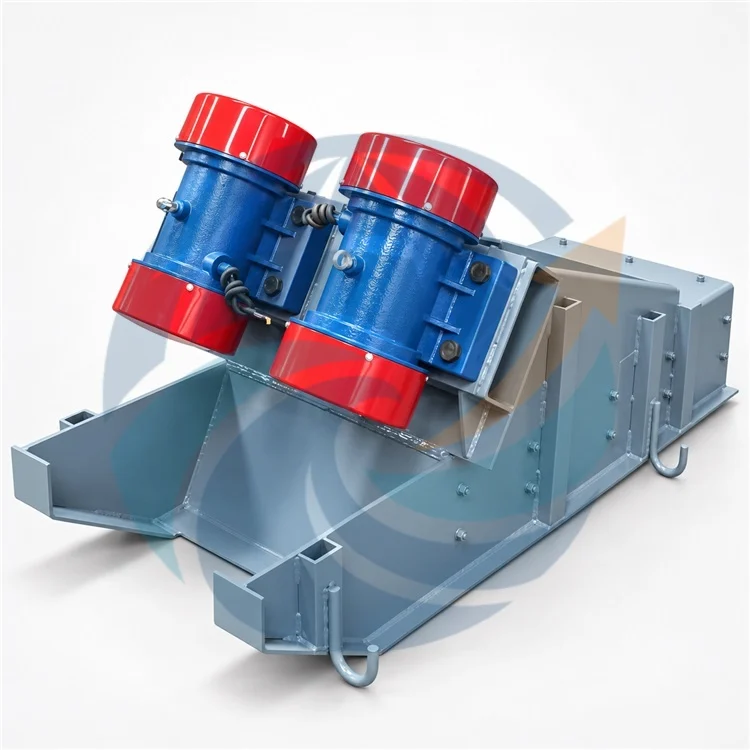
Vibrationsförderer
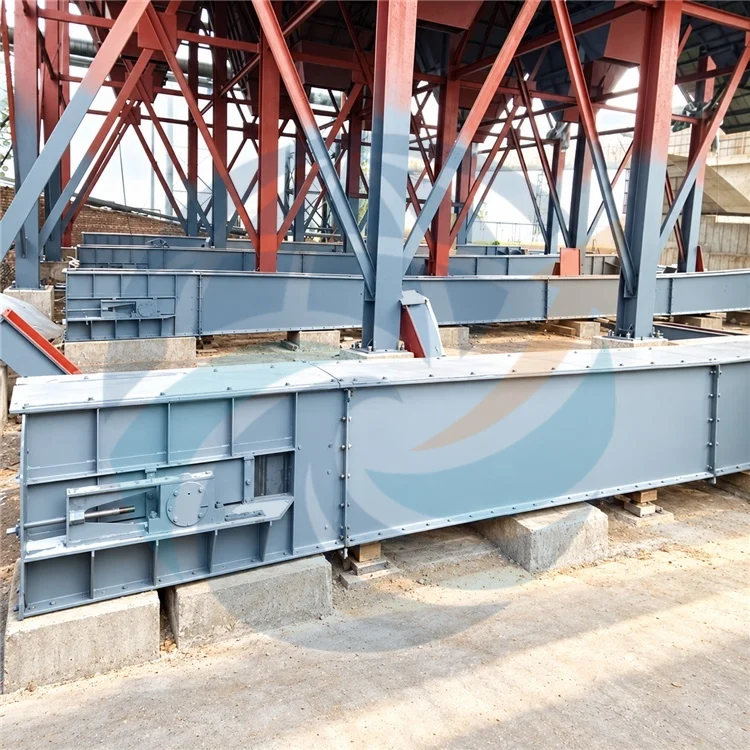
Kratzkettenförderer
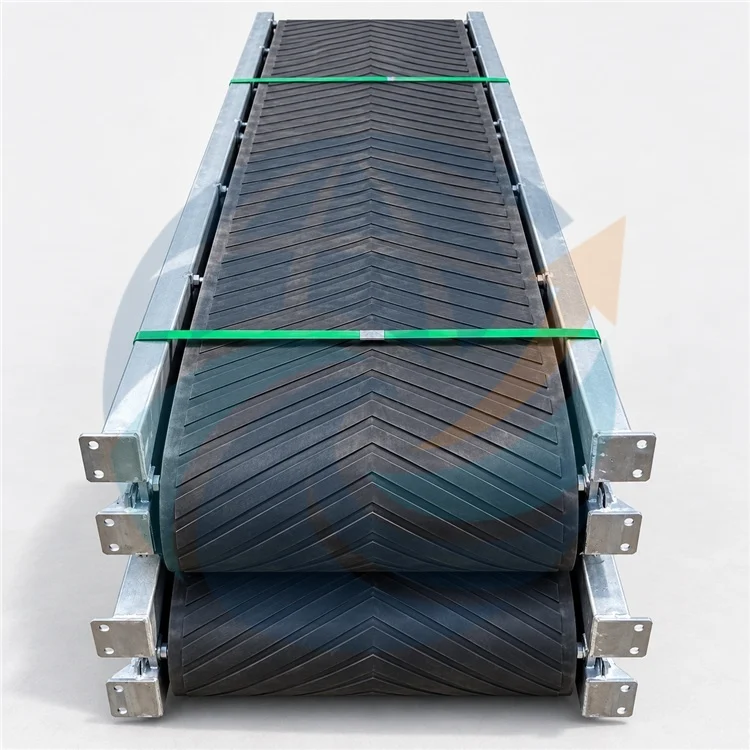
Bandförderer
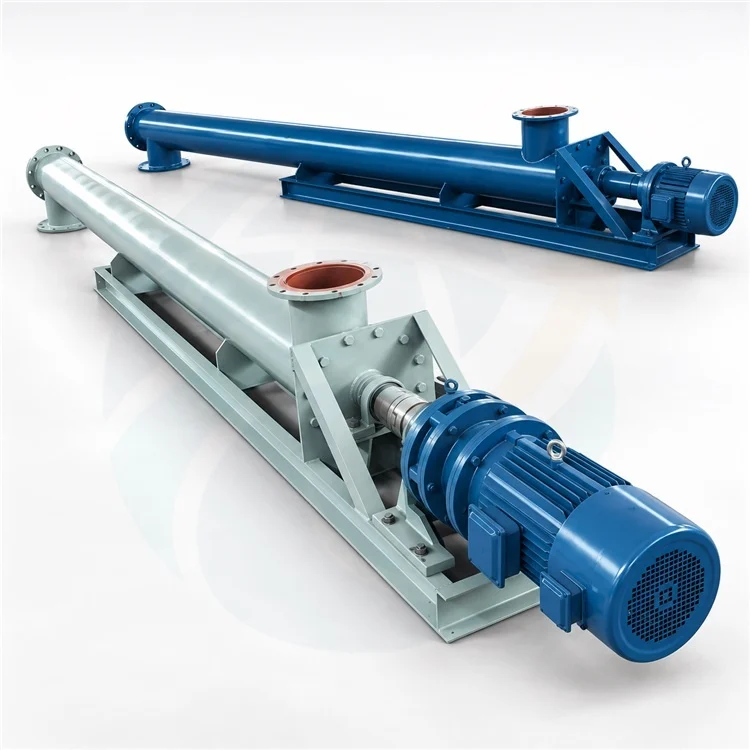
Schneckenförderer
450 Silent Screen FAQs
1. What is a 450 silent vibrating screen used for?
A 450 silent vibrating screen is used for small-batch powder grading, oversize removal, and impurity separation. It is commonly considered for suitable food ingredients, chemical powders, pharmaceutical materials, and mineral products.
2. Is a 450 silent vibrating screen completely silent?
No. The term “silent” refers to a relatively low-noise design, not completely noise-free operation. Actual noise levels depend on the vibration motor, material load, installation conditions, and equipment configuration.
3. What is a raised-rim rotary vibrating sieve?
A raised-rim rotary vibrating sieve features an extended screen rim that helps retain material on the screening surface. It is also known as a 450-type raised-rim vibrating sieve. Optional covers and sealing arrangements may help reduce dust escape.
4. What materials can a 450 silent vibrating screen handle?
Suitable applications may include sugar, starch, milk powder, resin powder, pigments, kaolin, and calcium carbonate. Selected configurations can also be considered for liquid filtration. Material properties and screening requirements should be evaluated before selection.
5. What mesh size and screening capacity can I expect?
Suitable mesh openings and processing capacity depend on particle size, material flowability, screen configuration, and feeding conditions. Actual throughput should be evaluated against the required separation result.
6. Can the discharge outlet direction be adjusted?
Yes. The discharge outlet can be arranged around the screen circumference to accommodate different production layouts. Available adjustment options depend on the machine structure and installation requirements.
7. What information is needed for a 450 silent vibrating screen quotation?
Please provide the material name, particle size, required mesh opening, expected capacity, and dry or wet operating conditions. Information about power supply, installation space, dust control, and discharge requirements will also help us recommend a suitable configuration.
450 Silent Screen Inquiry
Tell us your material and screening requirements.
 English
 French
 German
 Indonesian
 Korean
 Malay
 Japanese