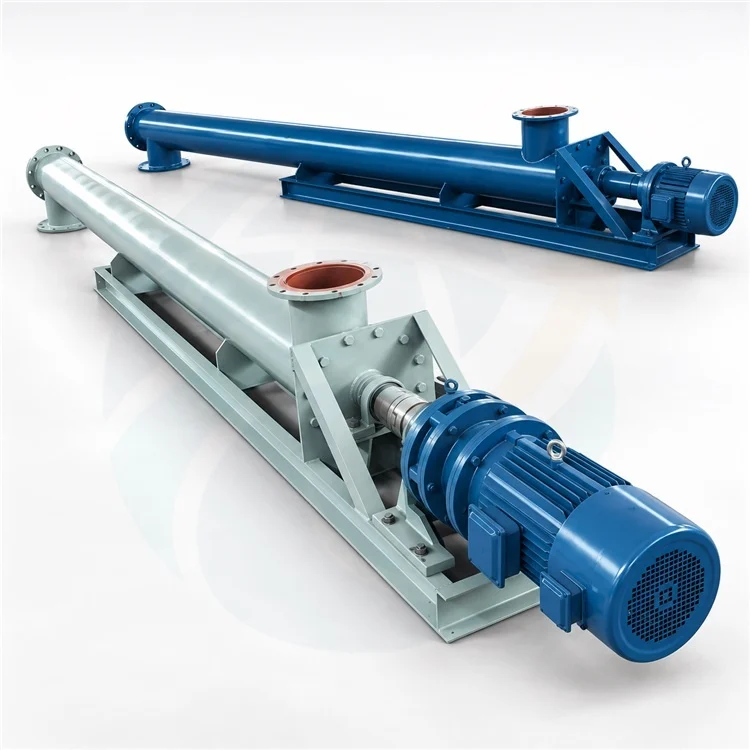
Probability Screen for Industrial Material Screening
Multi-deck screening for sand, minerals, and dry bulk material grading
What Is a Probability Screen?
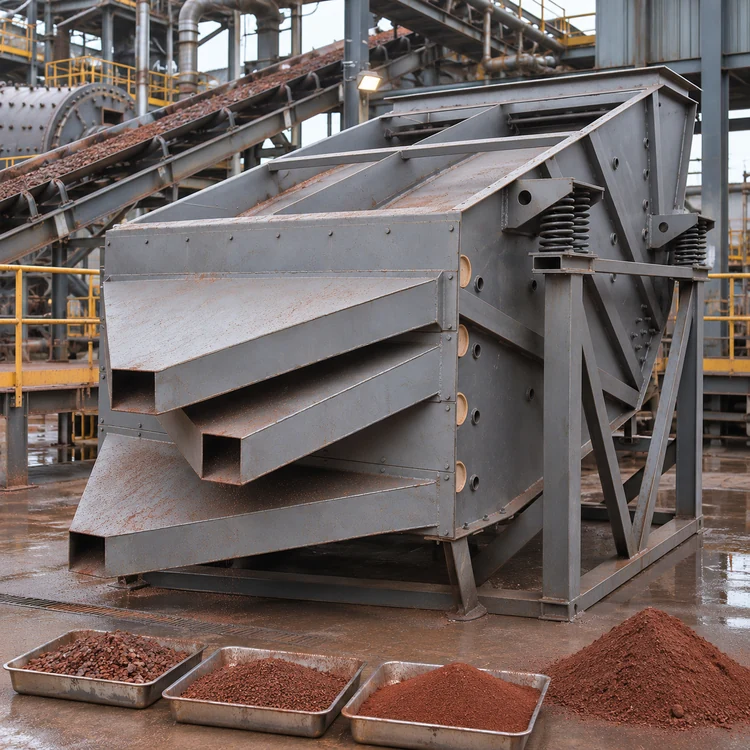
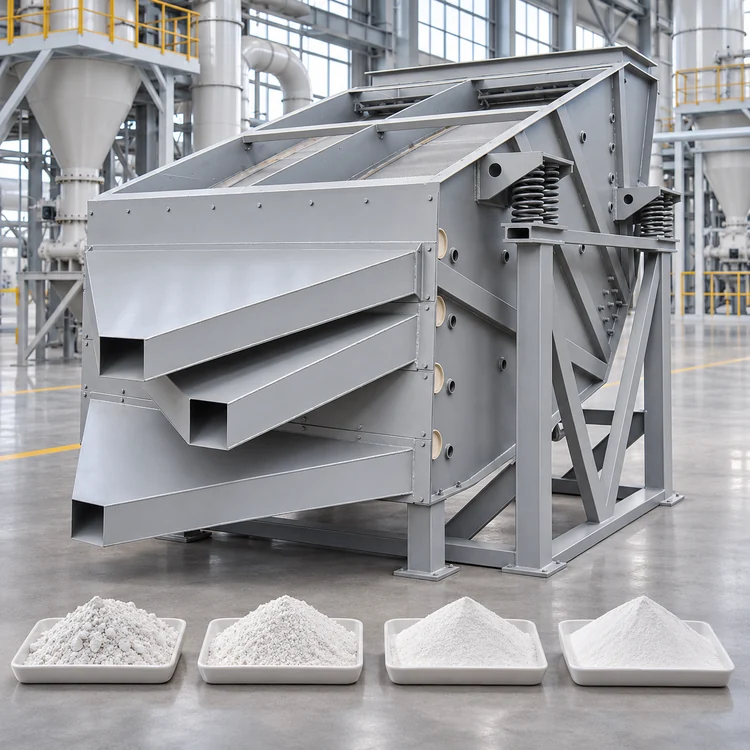
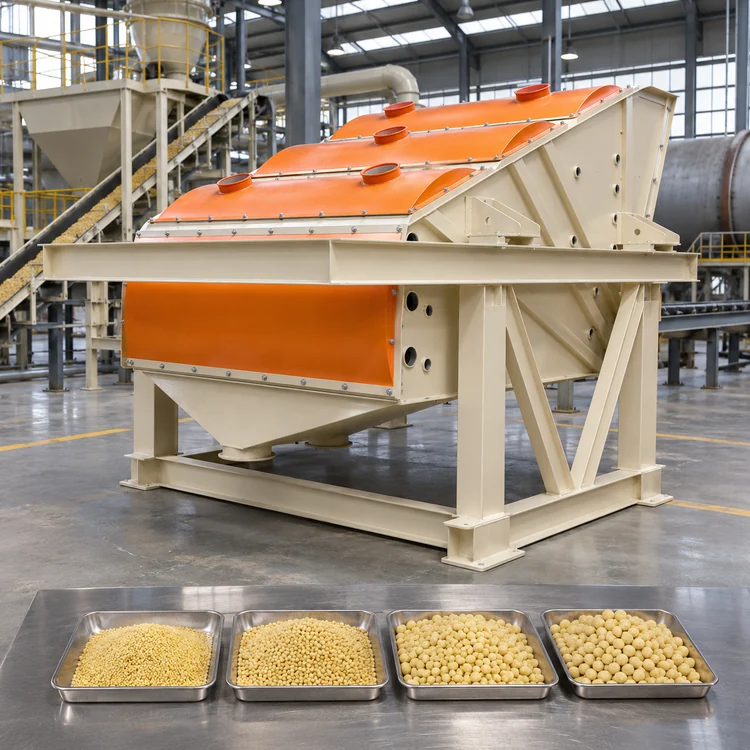
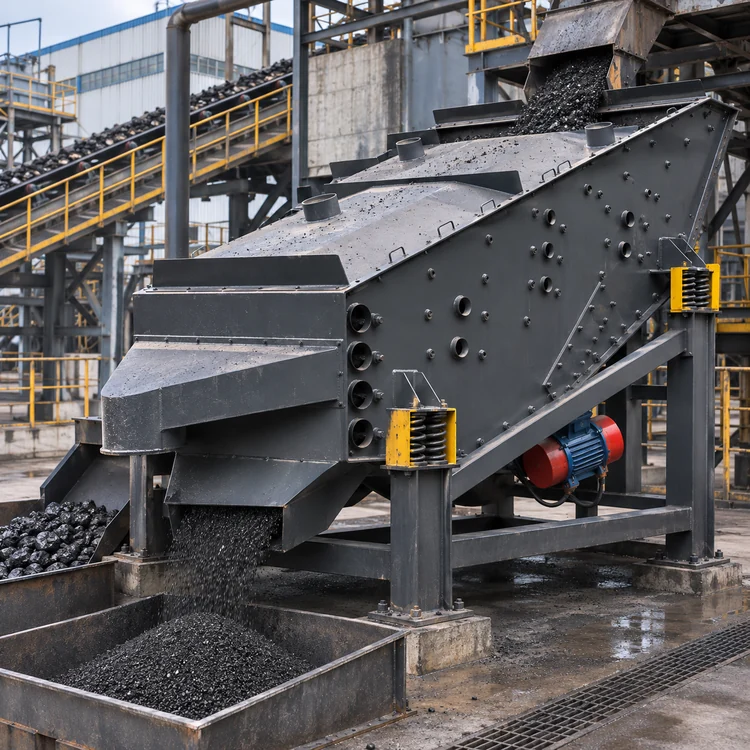
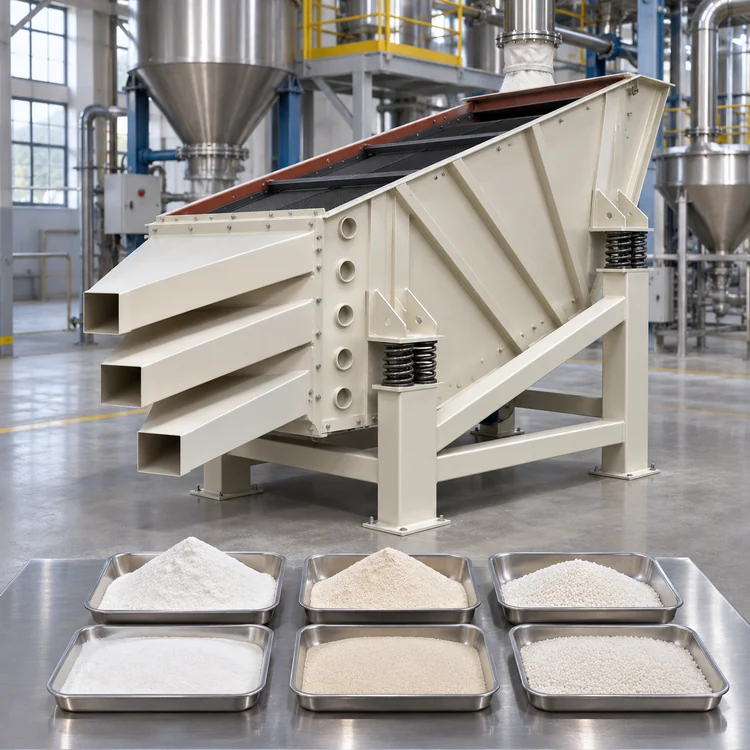
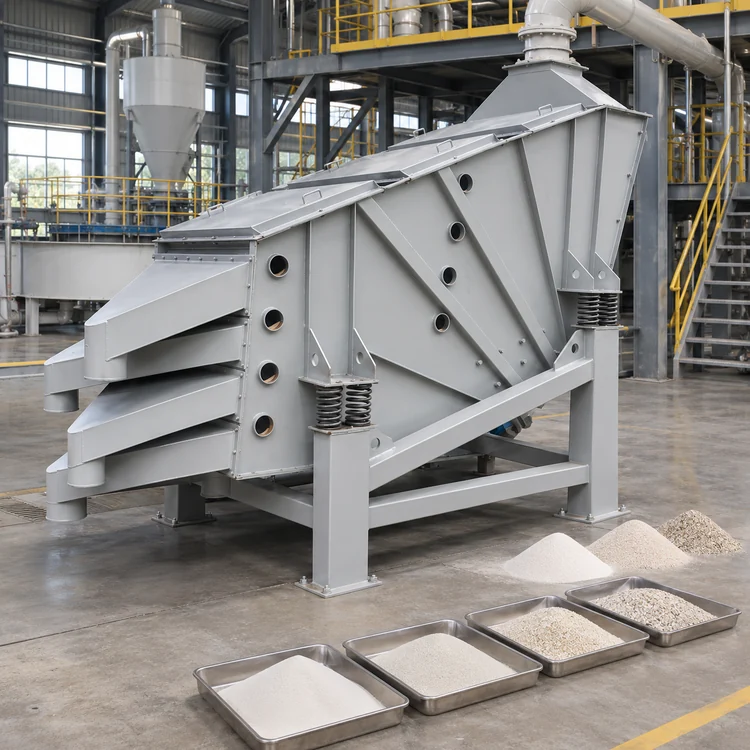
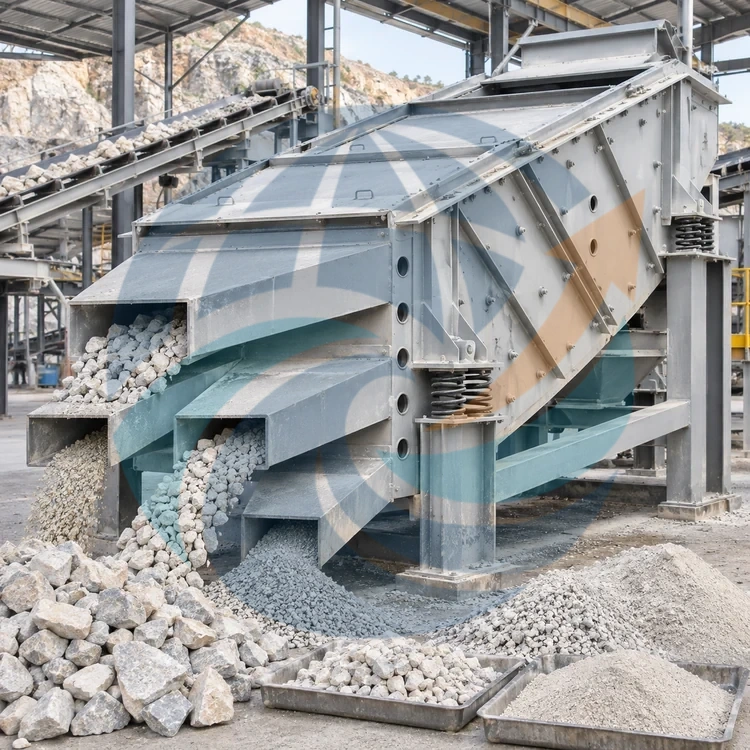
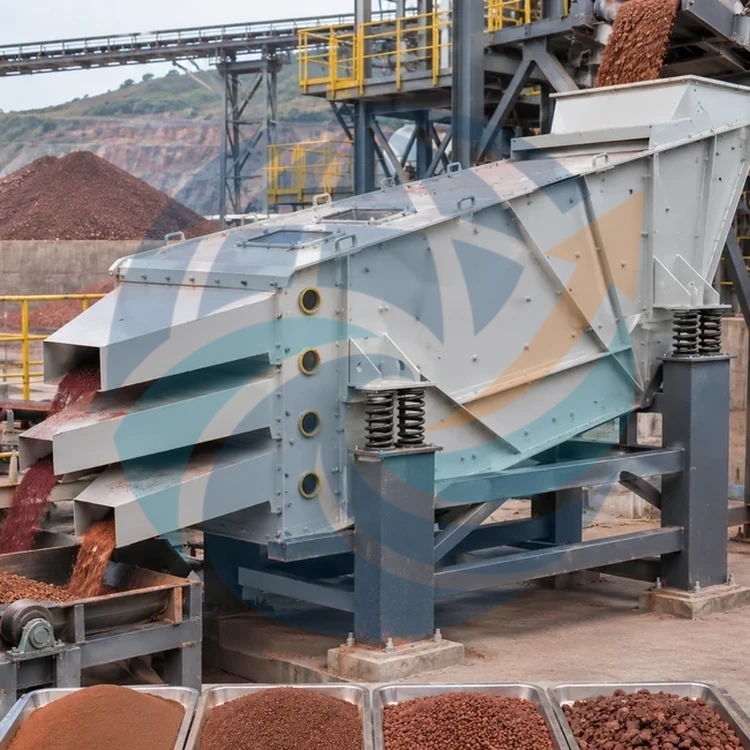
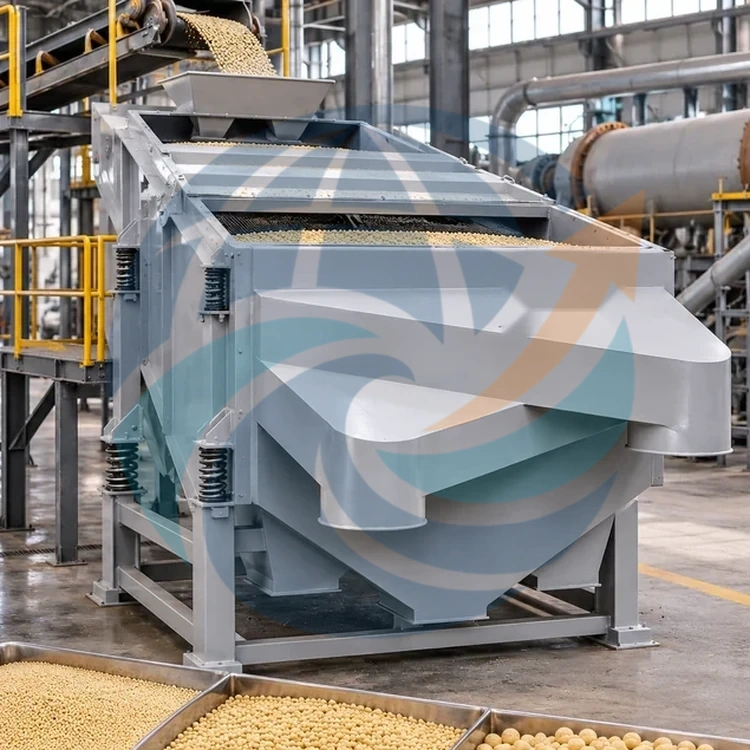
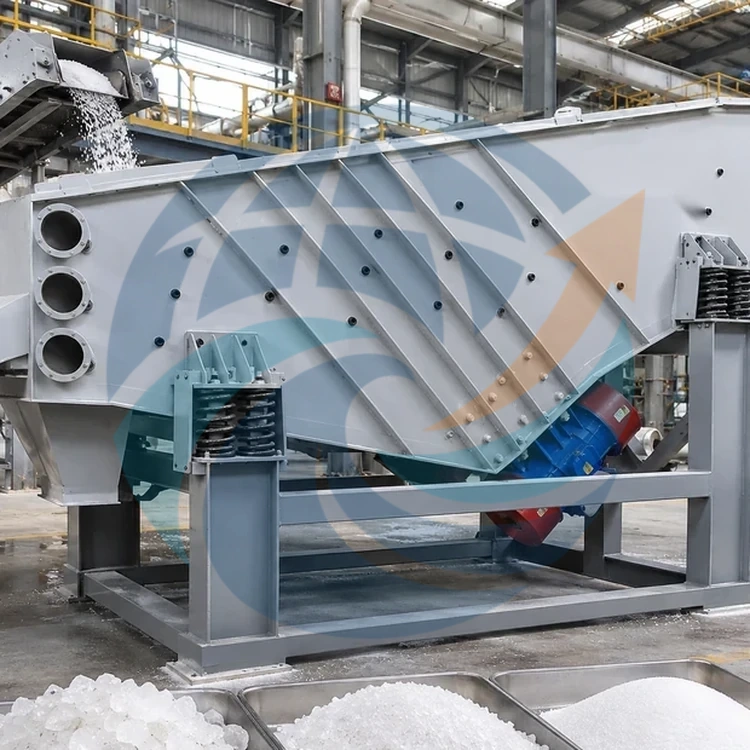
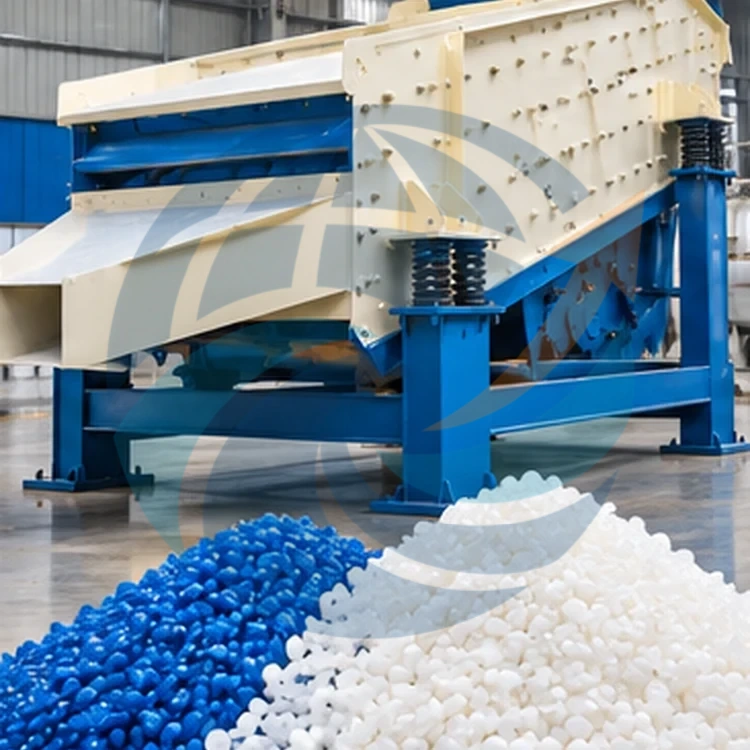
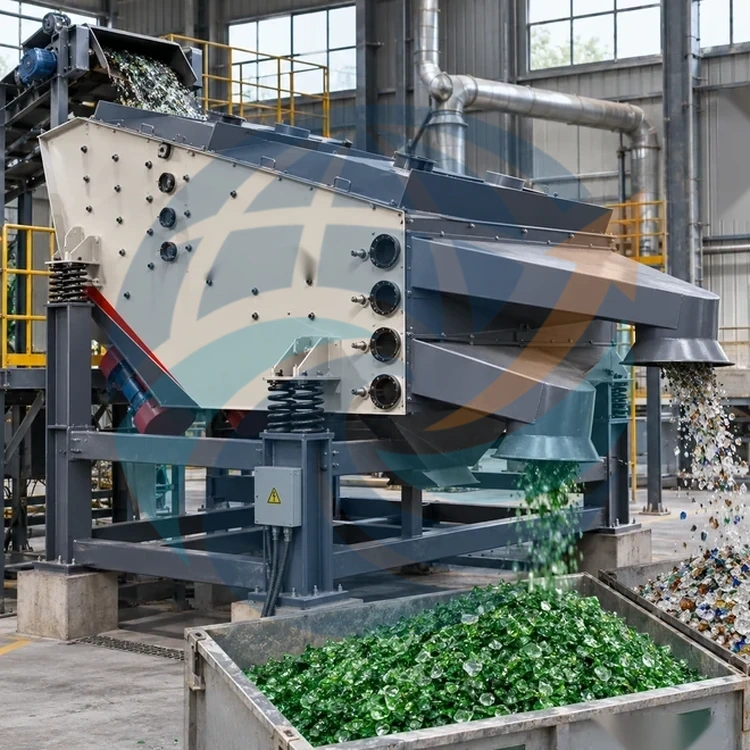
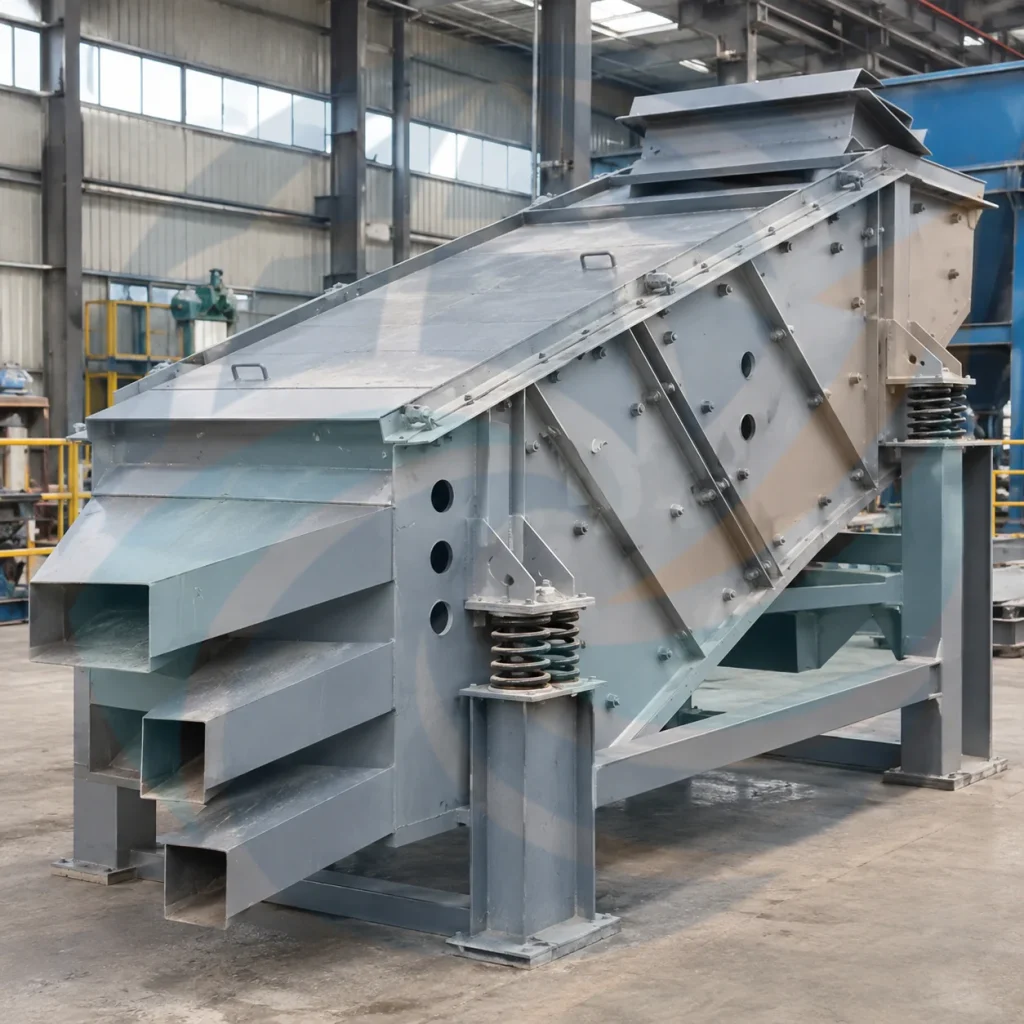
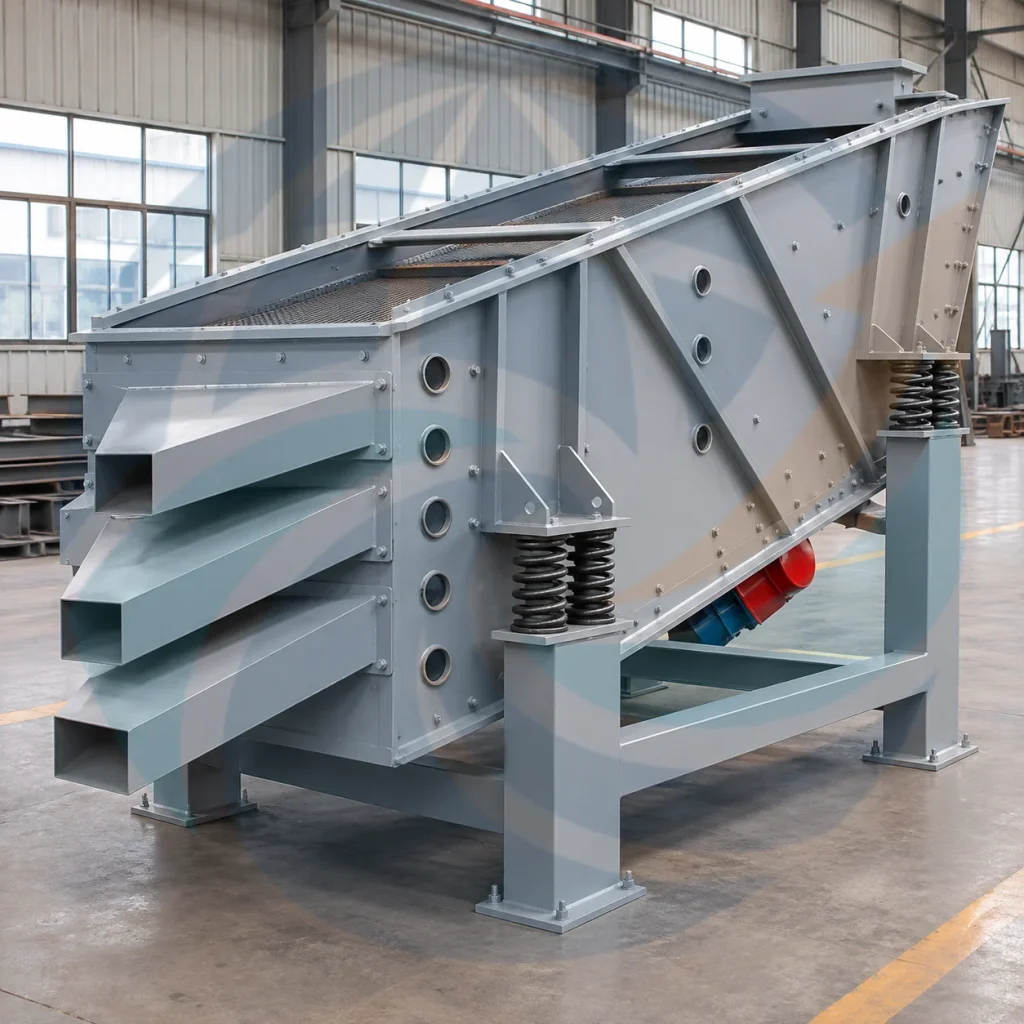
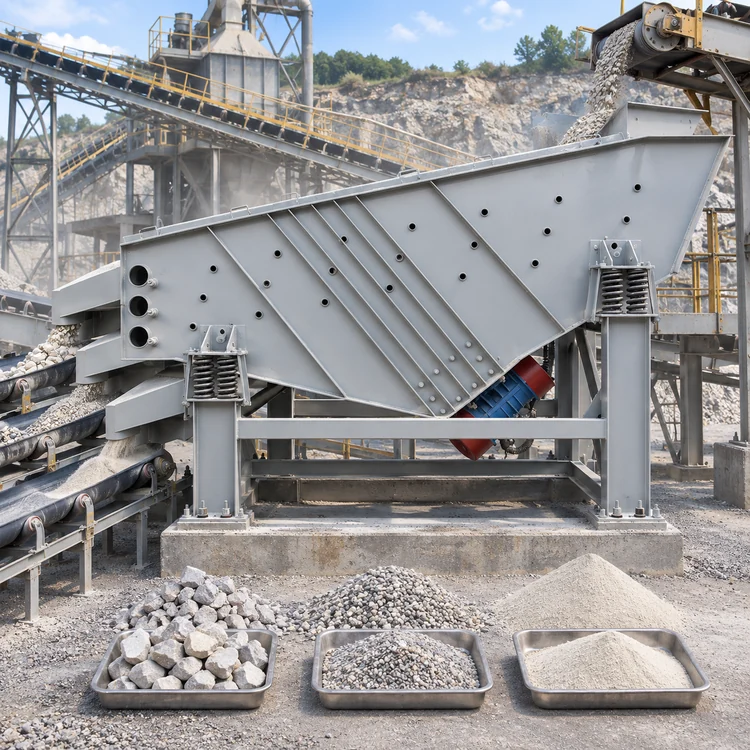
HaoYuan a probability screen is an industrial screening machine that uses inclined, vibrating screen decks to separate bulk materials by particle size. Its multi-deck design allows material to move through different screening stages and discharge outlets.
Where Is a Probability Screen Used?
Probability screens are used for grading sand, minerals, and other granular materials. The right configuration depends on feed size, material properties, and required output grades.
Explore HaoYuan’s industrial vibrating screens or learn more about particle screening principles.
Probability Screen Applications by Industry
Explore bulk material screening applications and HaoYuan vibrating screens
Probability Screen for Sand & Aggregates
Grade manufactured sand and dry aggregates into different size fractions for further processing
Probability Screen for Mineral Processing
Classify dry mineral particles by size before further processing or product handling
Probability Screen for Dry Mortar
Separate sand and mineral ingredients used in dry-mix mortar production
Probability Screen for Fertilizer
Remove fines and oversized particles from suitable dry fertilizer granules
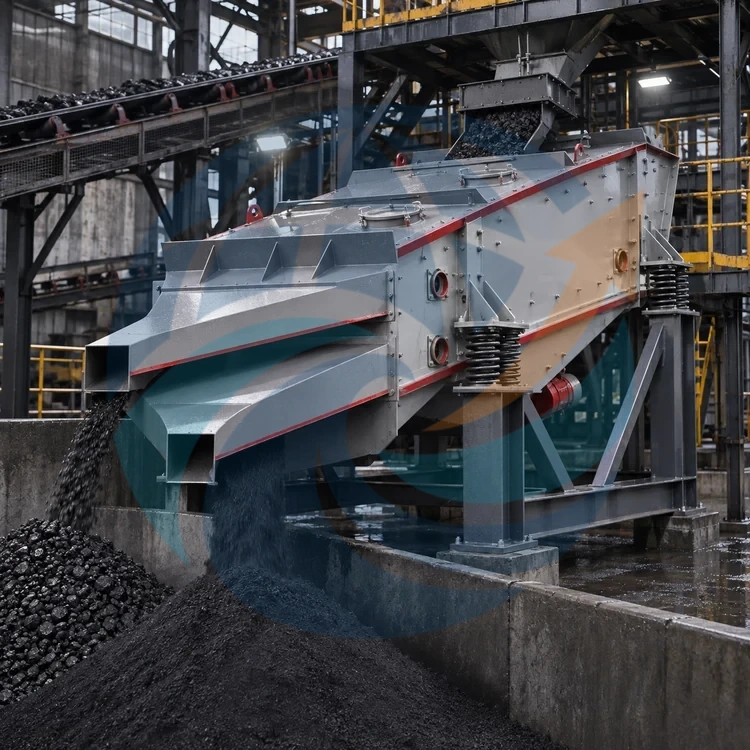
Probability Screen for Coal Preparation
Separate fine coal particles from coarser material in coal preparation lines
Probability Screen for Chemicals
Grade dry, free-flowing chemical powders into different particle size fractions
Probability Screen for Industrial Salt
Classify dry industrial salt into different particle size ranges for further processing
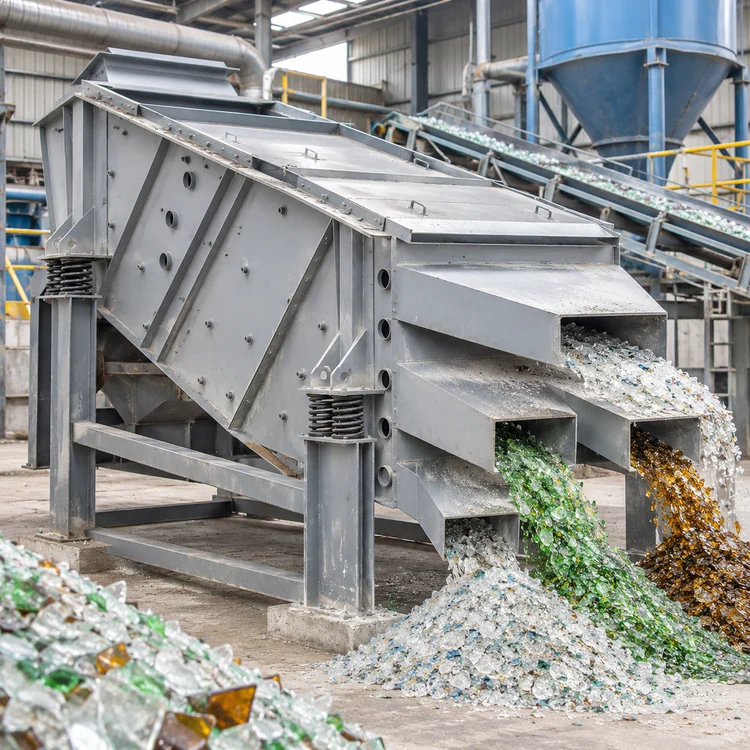
Probability Screen for Glass Recycling
Separate suitable dry glass cullet into different particle size fractions for recycling
For an overview of aggregate processing, see the U.S. EPA’s sand and gravel processing references.
Probability Screen Solutions by Material
Explore material grading options and HaoYuan’s vibrating screen range
Probability Screen for Silica Sand
Grade dry silica sand into different particle size fractions for industrial processing
Probability Screen for Limestone
Separate dry limestone chips and fines according to the required particle size
Probability Screen for Iron Ore Fines
Classify suitable dry iron ore particles before further processing or material handling
Probability Screen for Coal Fines
Separate smaller coal particles from coarser material in coal preparation operations
Probability Screen for Fertilizer Granules
Remove unwanted fines and oversized particles from dry fertilizer granules
Probability Screen for Industrial Salt
Grade dry salt crystals into different particle sizes for industrial applications
Probability Screen for Plastic Granules
Classify dry plastic granules and separate unwanted oversized or fine particles
Probability Screen for Glass Cullet
Separate suitable dry crushed glass into different size fractions for recycling
How Does a Probability Screen Work?
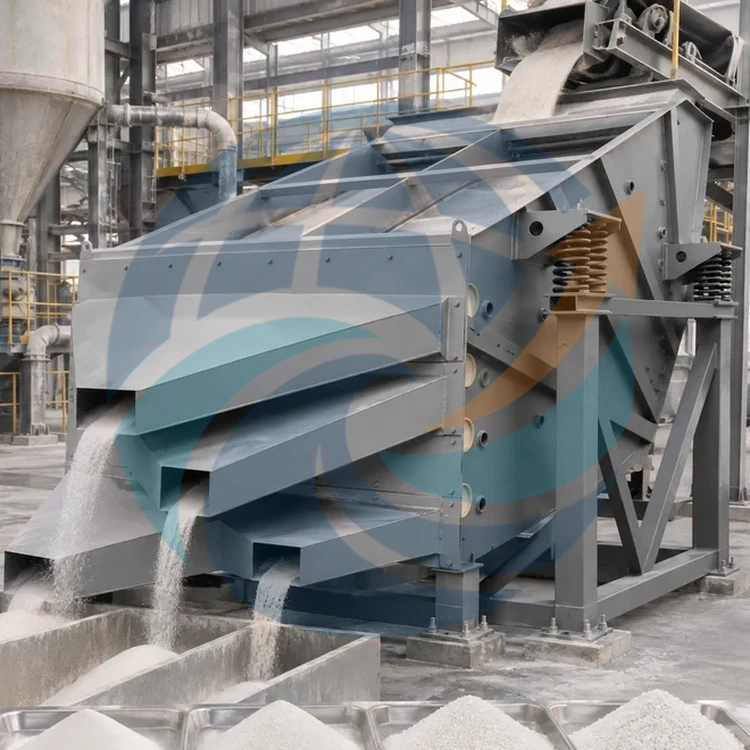
HaoYuan a probability screen uses inclined vibrating decks to separate bulk materials by particle size. Smaller particles pass through the screen openings, while larger particles move toward the discharge outlets.
1. Material Feeding
Material enters the inclined screen and spreads across the screening surface.
2. Probability Screening
Vibration helps particles contact the mesh, allowing suitable particles to pass through.
3. Material Discharge
Separated size fractions leave through their designated outlets.
Explore HaoYuan’s screen selection guide or read Fundamentals of Size Separation.
Probability Screen Configurations
HaoYuan helps buyers review screen deck layouts, mesh openings, and discharge requirements for different materials.
Inclined Screen Decks
Deck arrangement and screen openings depend on the required particle size grades.
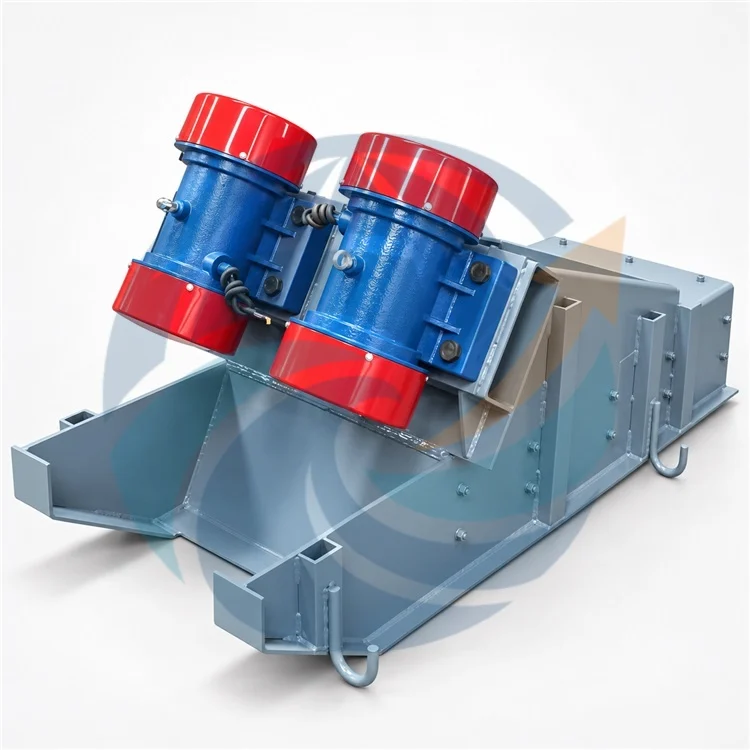
Drive & Spring Supports
The drive system generates vibration, while spring supports help isolate the screen body from its frame.
Feed & Discharge Design
Inlet and outlet arrangements are reviewed according to material flow and plant layout.
Explore HaoYuan’s industrial vibrating screens or refer to ASTM E2016 for industrial woven wire cloth specifications.
How to Choose the Right Probability Screen
Review material, particle size, and capacity with HaoYuan’s screen selection guide
| Selection Factor | What to Confirm |
|---|---|
| Feed Material | Material name, bulk density, and particle characteristics |
| Feed Particle Size | Maximum feed size and particle size distribution |
| Required Product Sizes | Target separation sizes and number of output grades |
| Processing Capacity | Required throughput in kg/h or t/h |
| Material Conditions | Moisture, flowability, and tendency to clog |
| Screen Deck Arrangement | Required screening stages and deck configuration |
| Screen Aperture & Media | Opening size, screen material, and wear requirements |
| Feeding & Discharge | Feed arrangement, outlet directions, and material flow |
| Installation & Power | Available space, voltage, frequency, and support conditions |
| Dust Control & Maintenance | Dust containment, cleaning, and maintenance access |
For particle size analysis methods, see the U.S. Geological Survey’s dry sieve analysis reference.
Probability Screen FAQs
1. What is a probability screen used for?
A probability screen grades bulk materials into different particle sizes. Common applications include sand, minerals, coal, fertilizer, and other suitable granular materials.
2. How does a probability screen work?
Material travels across inclined vibrating decks. Particles have repeated opportunities to pass through the screen openings, while retained material continues toward the discharge outlets.
3. How is a probability screen different from a conventional vibrating screen?
Probability screening uses the relationship between particle size, screen openings, and deck inclination to achieve separation. The best choice depends on the material and required product grades.
4. Can a probability screen produce multiple size fractions?
Yes. Suitable multi-deck configurations can separate material into several size fractions. The required number of grades helps determine the screen arrangement.
5. What materials can a probability screen handle?
Typical applications include dry sand, crushed minerals, coal fines, salt, and fertilizer granules. Material suitability depends on particle characteristics and screening requirements.
6. Can a probability screen handle wet or sticky materials?
High moisture or sticky material can cause screen blinding and reduce separation performance. Material testing may be needed before selecting a configuration.
7. What information is needed for a quotation?
Please provide the material name, feed size, required output sizes, processing capacity, and installation conditions. HaoYuan’s screen selection guide can help you prepare these details.
견적 요청
Tell HaoYuan about your samples and testing requirements