스크류 컨베이어

이송 경로에 맞춰 적합한 벌크 자재를 스크류 컨베이어를 통해 이동시키십시오.
Screw Conveyor for the Chemical Industry Screw Conveyor for the Construction Materials Industry Screw Conveyor for the Food Industry Screw Conveyor for the Machinery Manufacturing Industry 운송 산업용 스크류 컨베이어

스크류 컨베이어

A screw conveyor moves bulk material through a tube or trough using a rotating screw. The proposed arrangement depends on the material, route and feeding conditions. Describe both connection points and the required transfer duty before selecting dimensions.

Screw conveying can be considered for connecting a material supply point to the next machine or collection point. Define whether the duty is transport along a route or controlled extraction from a hopper. These duties need different attention to the inlet and operating arrangement.

  • Material: Particle size, bulk density, moisture and temperature.
  • Transfer duty: Required throughput and feeding method.
  • Route: Length, incline and elevation change.
What to Confirm Before Ordering
Item What to Confirm
Material Particle size, bulk density, moisture and temperature
Transfer duty Required throughput and feeding method
Route Length, incline and elevation change
Connections Inlet/outlet size, position and height
Contact parts Required material grade and cleaning method
Drive and controls Site electrical supply and operating sequence

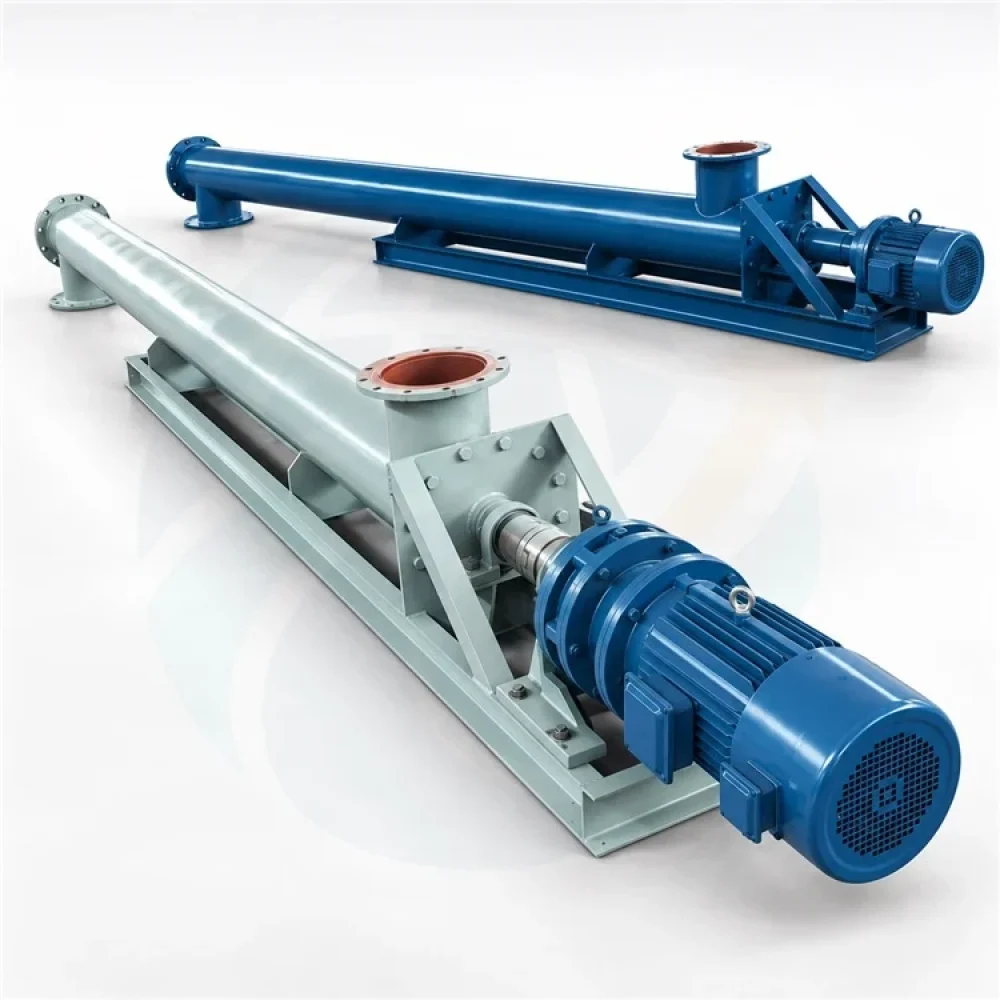
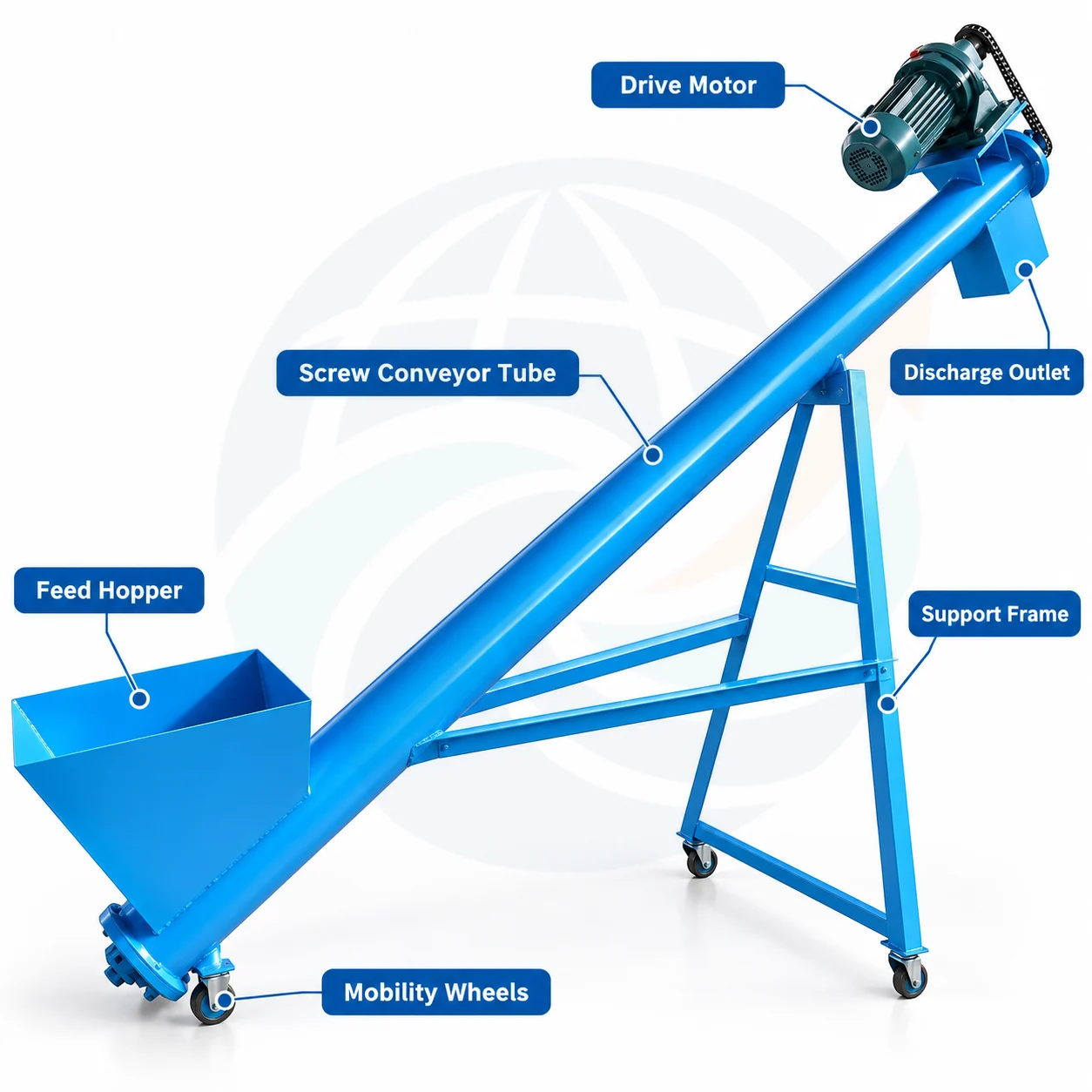
Schematic diagram of an industrial screw conveyor structure

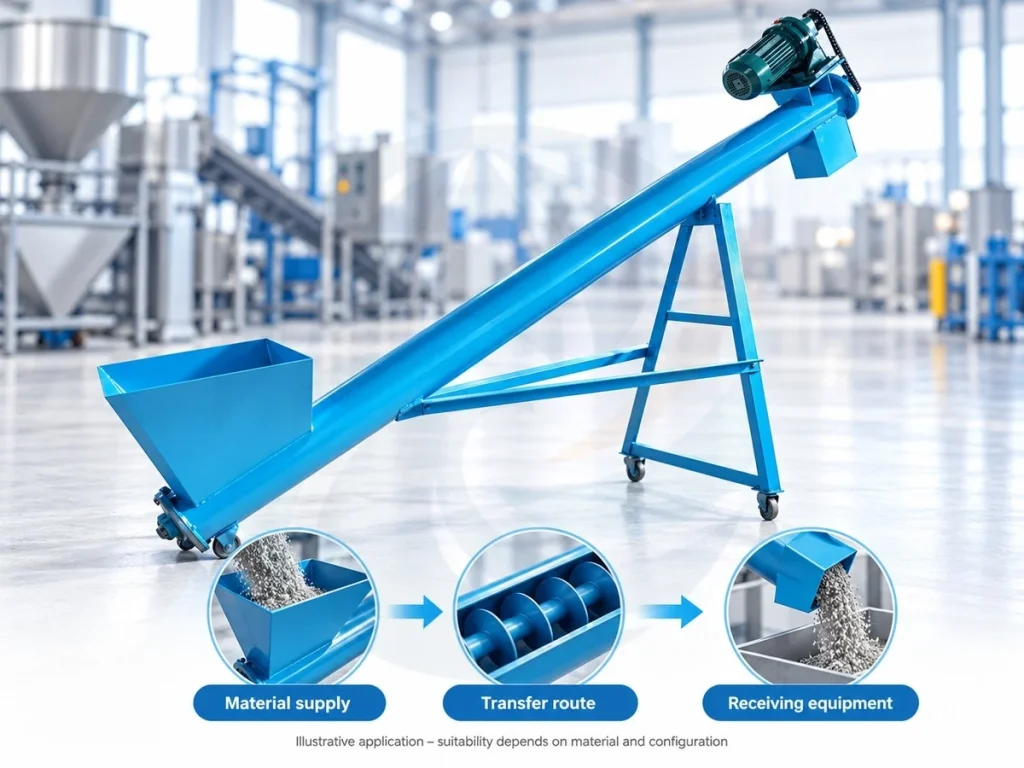
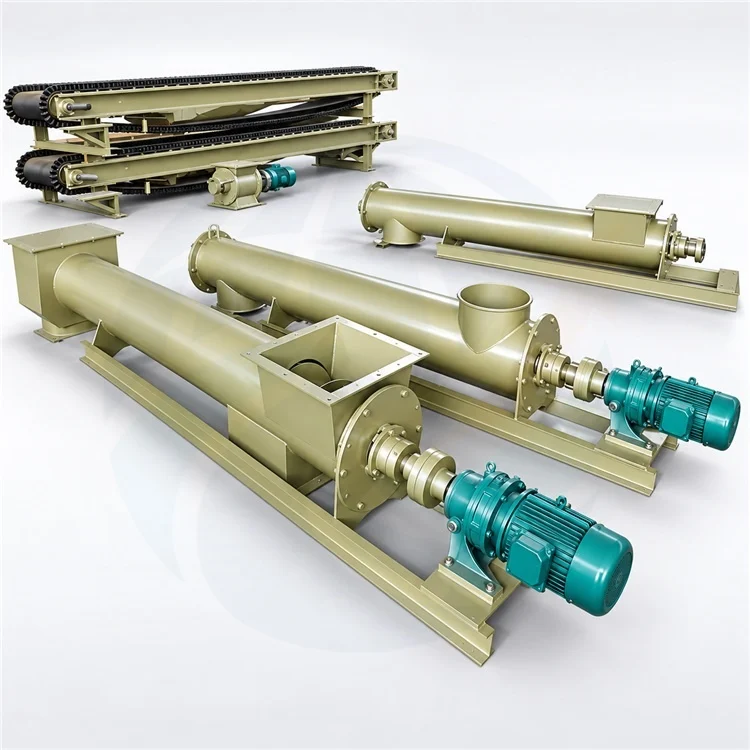
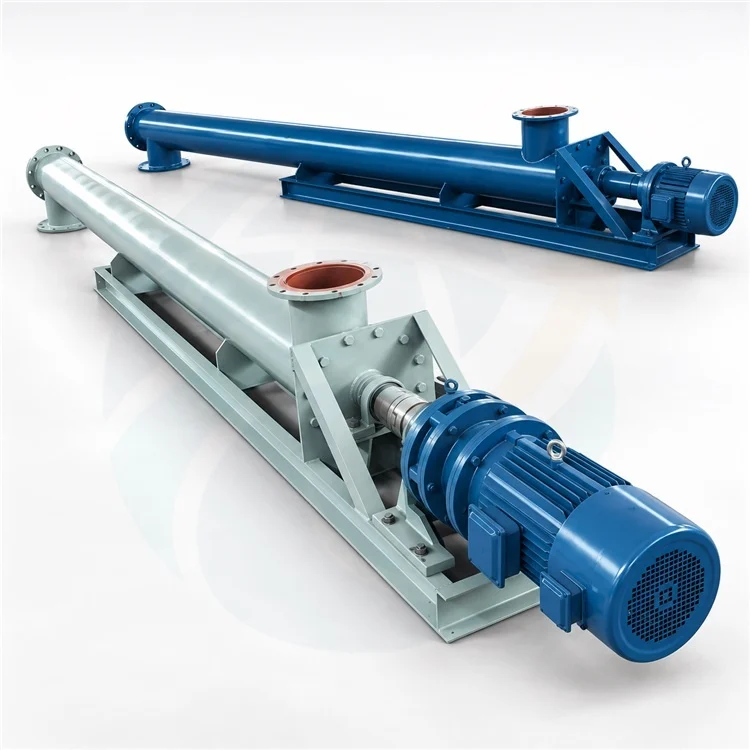
Illustration of screw conveyor: material supply, transfer route, receiving equipment

Conveying Applications and Materials

Transfer Between Process Stages

Screw conveying can be considered for connecting a material supply point to the next machine or collection point. Define whether the duty is transport along a route or controlled extraction from a hopper. These duties need different attention to the inlet and operating arrangement.

Material Behaviour

Provide particle size, bulk density, moisture and handling concerns such as abrasion or sticking. State the material temperature if relevant. These details help define what the conveying arrangement needs to accommodate.

Operating Duty

Supply conveying length, elevation change and inlet and outlet positions. An inclined duty should be reviewed for its actual route rather than assigned the same operating expectation as a horizontal transfer.

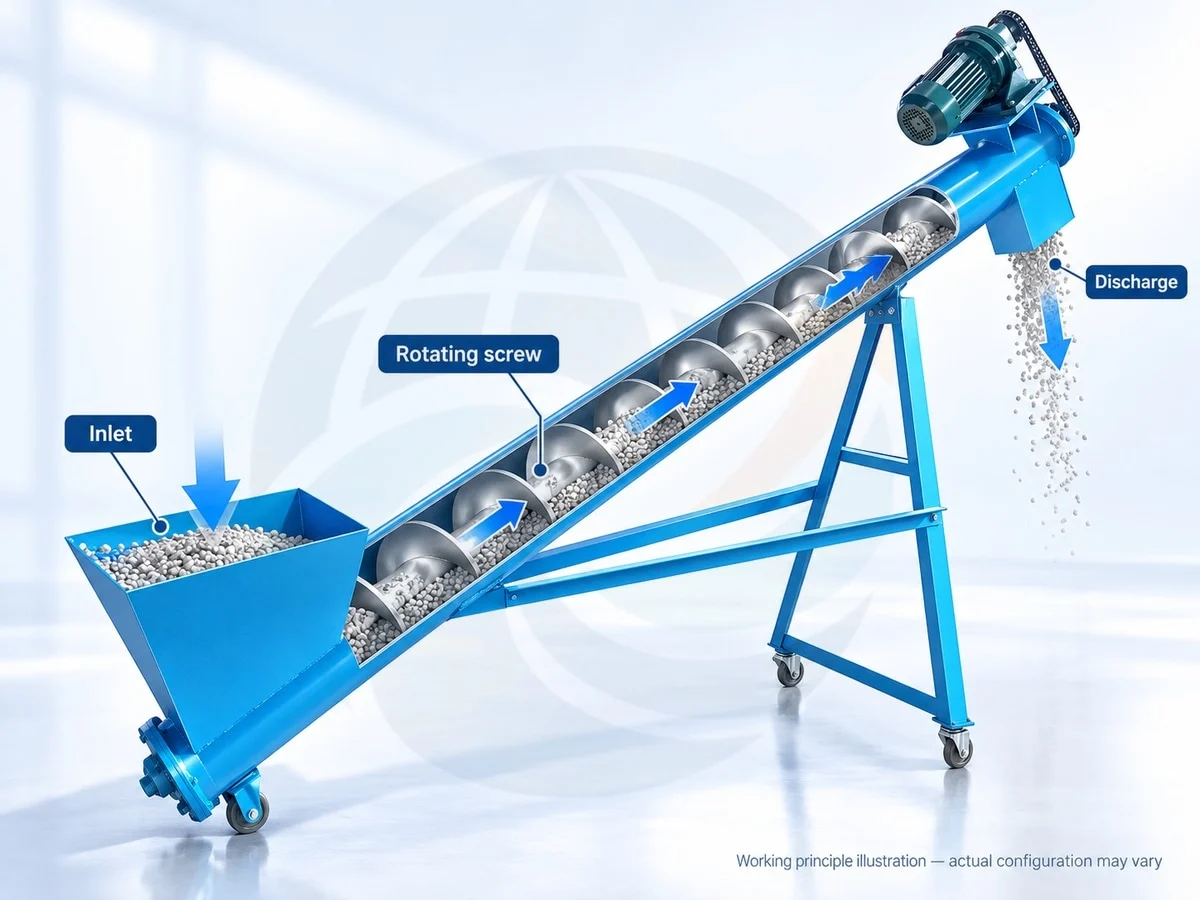
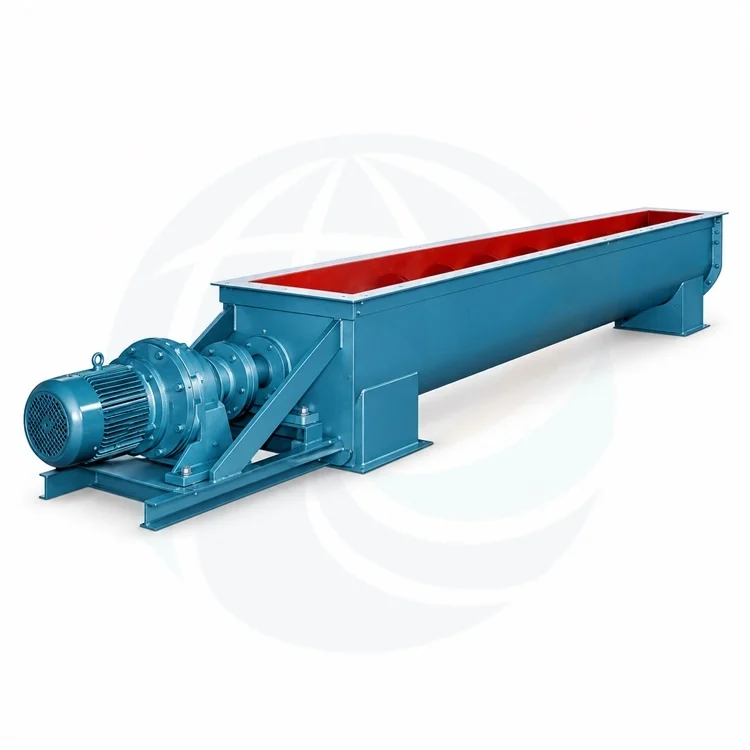
Illustration of screw conveyor: inlet, rotating screw, discharge

How the Screw Conveyor Works

Rotating Screw

A rotating screw moves material along a tube or trough. The drive turns the screw while the housing defines the conveying path. The selected geometry and operating conditions must suit the material and transfer duty.

Inlet and Discharge

Material enters at the inlet and travels toward the discharge connection. The way material is supplied affects the operating duty. The receiving equipment must also accept the proposed discharge arrangement and rate.

Housing and Drive

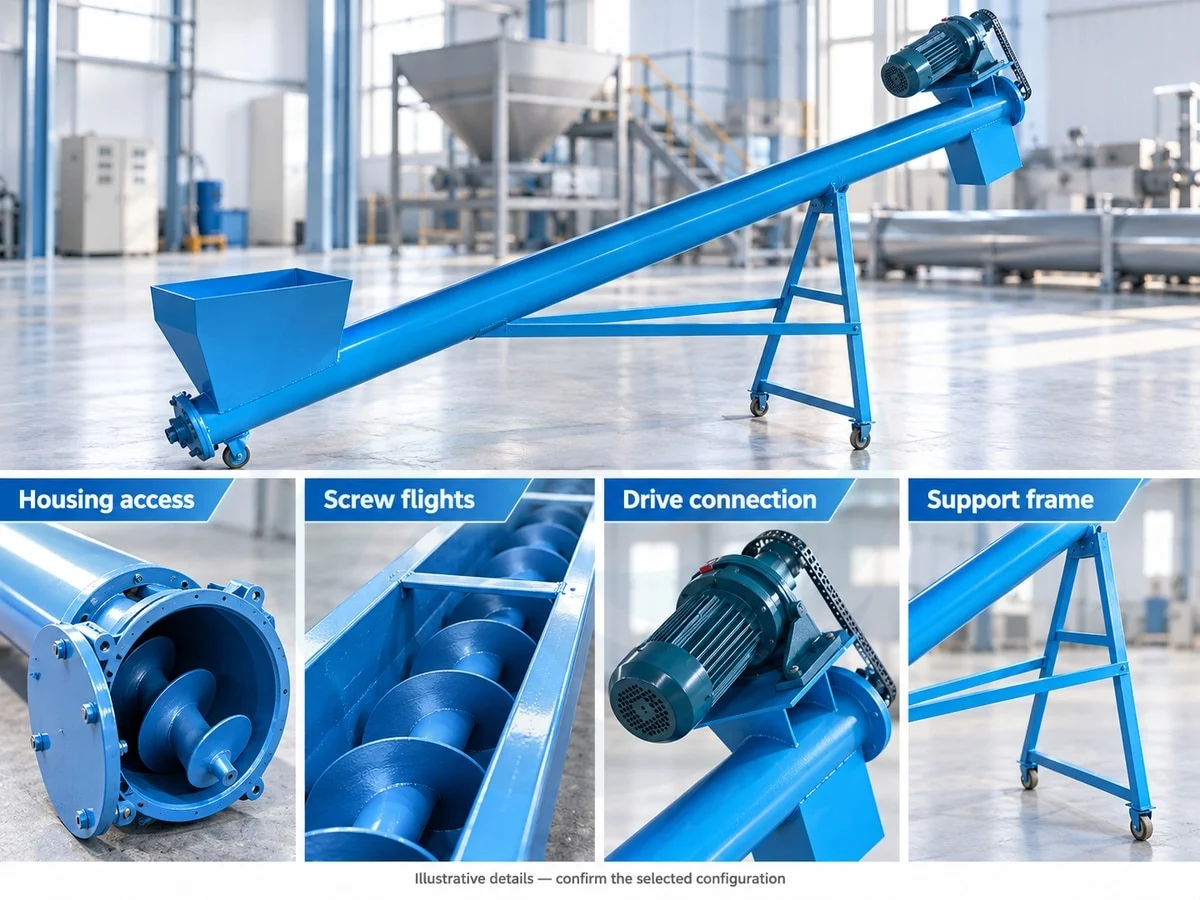
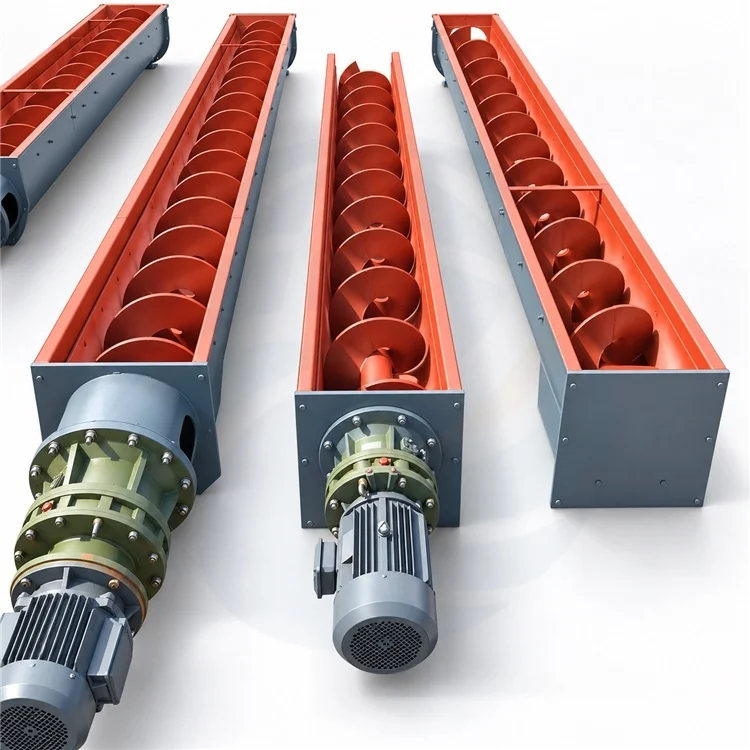
The housing, screw, drive and supports make up the conveying assembly. Tubular and trough arrangements provide different access considerations. Confirm the actual construction and the components included in the proposal instead of assuming all options are supplied.

Configuration, Cleaning and Installation

Cleaning and Product Changes

Describe whether the conveyor handles one material or changes between products. Confirm access to the screw and housing and the expected cleaning method. Contact-part grades, seals and any disassembly requirements should be stated for the selected configuration.

Feeding and Cleaning

Explain how material enters the screw and whether flow is continuous or intermittent. Discuss cleaning access and contact materials. If the duty is controlled dosing from a hopper, describe that requirement explicitly instead of assuming a transfer conveyor provides dosing accuracy.

Installation and Scope

Confirm the connection positions, available service space and electrical supply for the proposed screw conveyor. The quotation should identify the included drive, controls, supports and requested accessories. Check the agreed arrangement against the equipment documents before making permanent site connections.

Before Ordering

Include the destination country and your packing, documentation and spare-part requirements in the enquiry. Confirm the actual equipment configuration and commercial scope before placing an order. Any performance acceptance requirement should identify the material and operating conditions to be assessed.

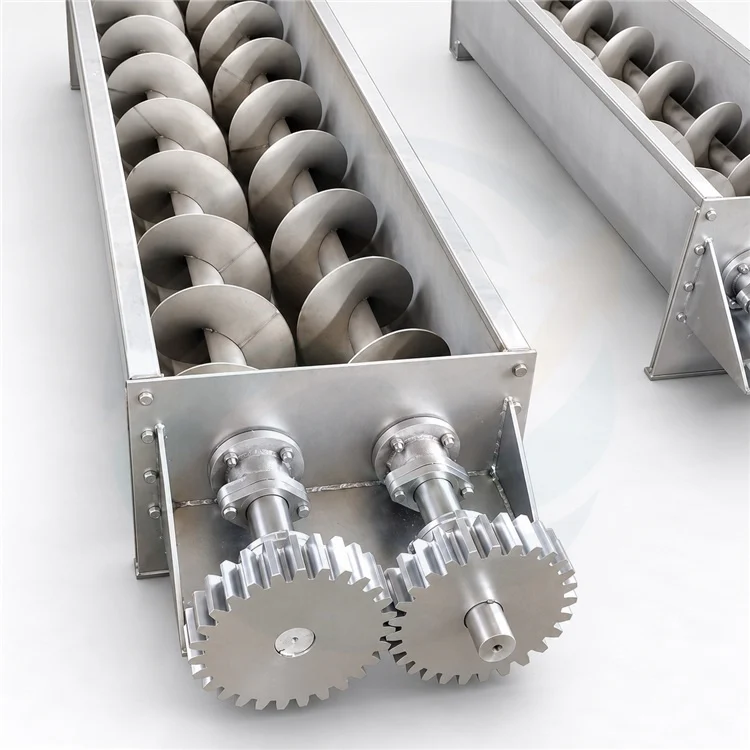
Illustration of screw conveyor: housing access, screw flights, drive connection, support frame

관련 제품

Equipment Guide & Support

About HaoYuan

Xinxiang Haoyuan Trading Co., Ltd. is a China-based supplier of industrial screening and material handling equipment.

We help customers review equipment options, technical specifications and available configurations based on their processing requirements.

From equipment selection to order coordination, we work with manufacturers to clarify supply scope, packing and delivery arrangements.

Is a screw conveyor the same as a screw feeder?
The duties differ. Transfer along a route and controlled extraction from a hopper require separate review of the inlet, screw arrangement and controls.
State the intended angle or elevation change. The route and material must be considered together when confirming the configuration and capacity.
Provide the required grade and identify the contact parts. Confirm the supplied materials in the final quotation and technical documents.
Describe how often the material changes and how the conveyor will be cleaned. Ask the supplier to identify access points and any disassembly required for the proposed arrangement.

오늘 문의 보내기

全局表项

엔지니어와 상담하기

全局表项