
Sieve Shaker for Laboratory Testing
Reliable test sieve shaker for particle size analysis, sample separation, and laboratory quality control
What Is a Laboratory Sieve Shaker?
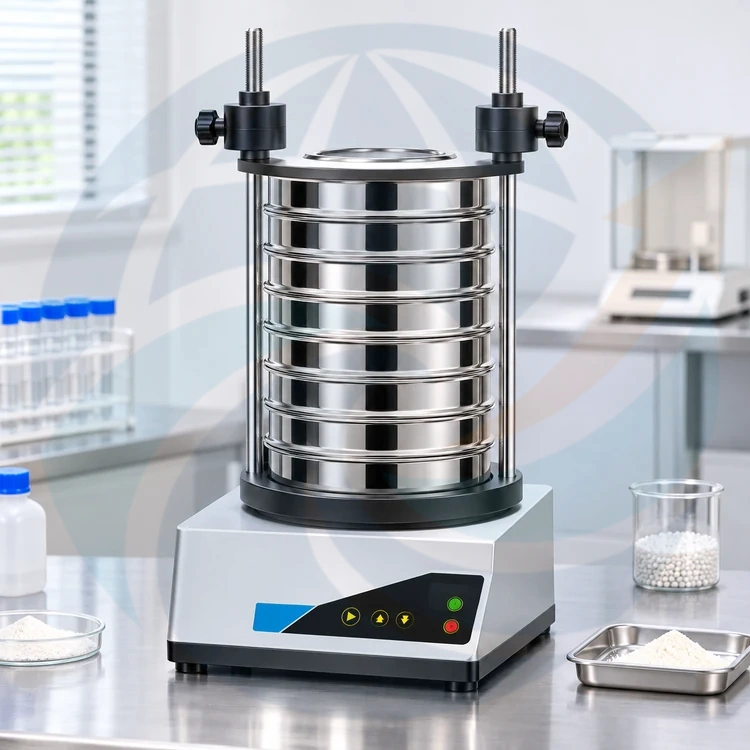
A laboratory sieve shaker is a testing instrument used to separate particles by size through a stack of standard test sieves. It is commonly used for particle size analysis, sample preparation, and quality control in laboratories and industrial testing facilities.
The machine generates controlled shaking or vibration to move sample materials across different sieve meshes. Smaller particles pass through the openings, while larger particles remain on the corresponding sieve layers for further examination.
A test sieve shaker can accommodate multiple stainless steel test sieves with different mesh openings, allowing laboratories to evaluate particle size distribution from a single sample. The retained material can then be collected and weighed for analysis.
With its compact benchtop design and convenient sieve assembly, the equipment is suitable for routine laboratory testing, research, and incoming material inspection. Available control functions and operating modes depend on the selected model.
When Should You Use a Laboratory Sieve Shaker?
A sieve shaker is a practical choice when you need to check particle size distribution, evaluate material consistency, or perform repeatable sieve analysis on small samples.
It is commonly used to test powders, granules, sand, minerals, pharmaceutical ingredients, and other suitable materials in laboratory environments.
To select a suitable model, consider your sample material, required test sieve diameter, mesh opening range, and testing procedure.
Sieve Shaker Applications by Industry
Explore laboratory particle size testing solutions for powders, granules, and other suitable materials across industries
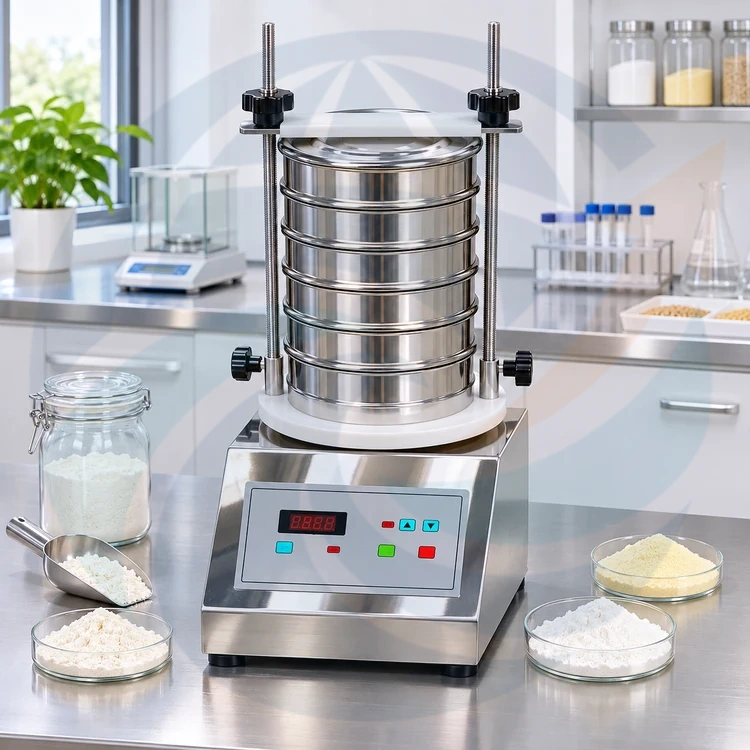
Sieve Shaker for Food Testing
Check particle size distribution in flour, sugar, starch, and other dry ingredients
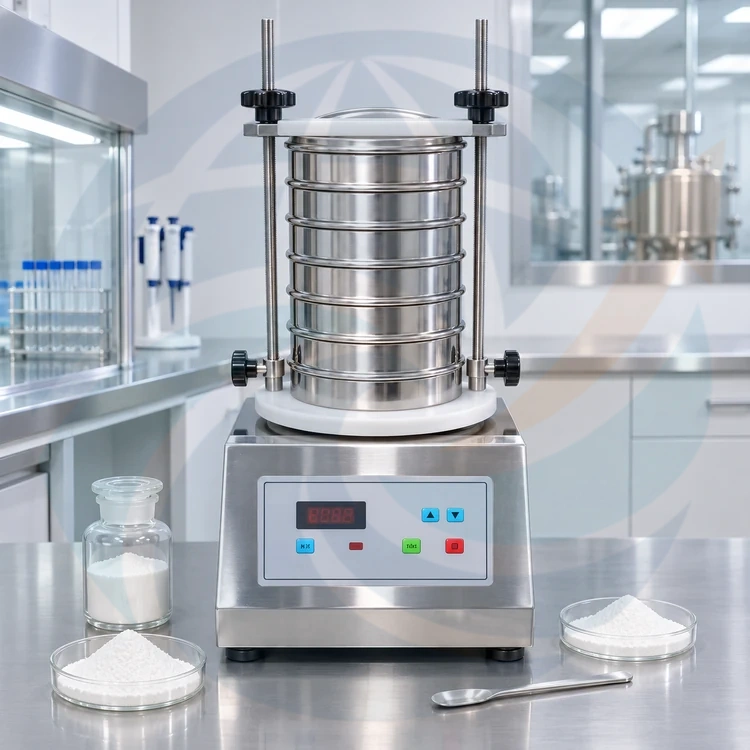
Pharmaceutical Test Sieve Shaker
Analyze suitable powder samples for particle size consistency and quality checks
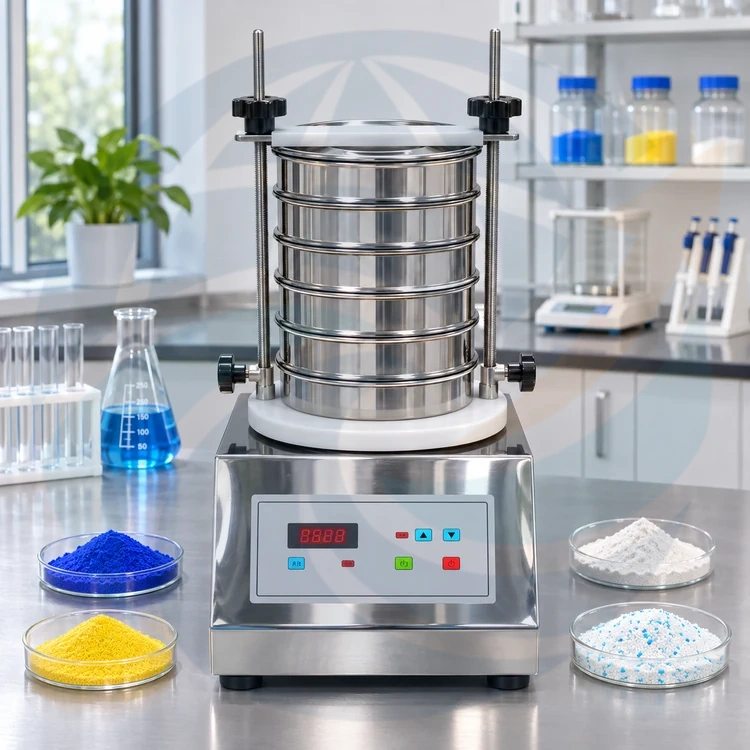
Sieve Shaker for Chemical Powders
Evaluate particle size in resins, pigments, and suitable chemical powders
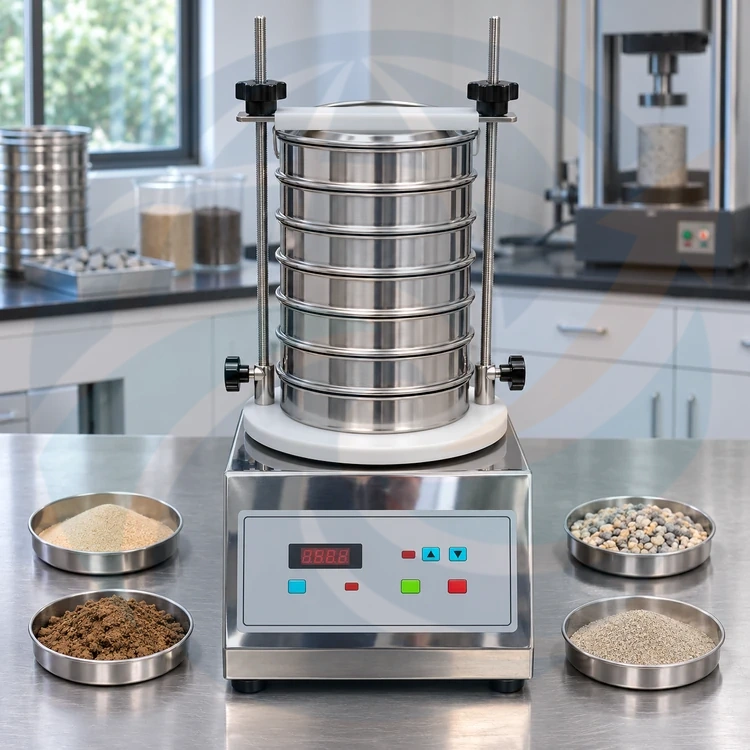
Sieve Shaker for Aggregate Testing
Separate sand and fine aggregates into size fractions for laboratory analysis
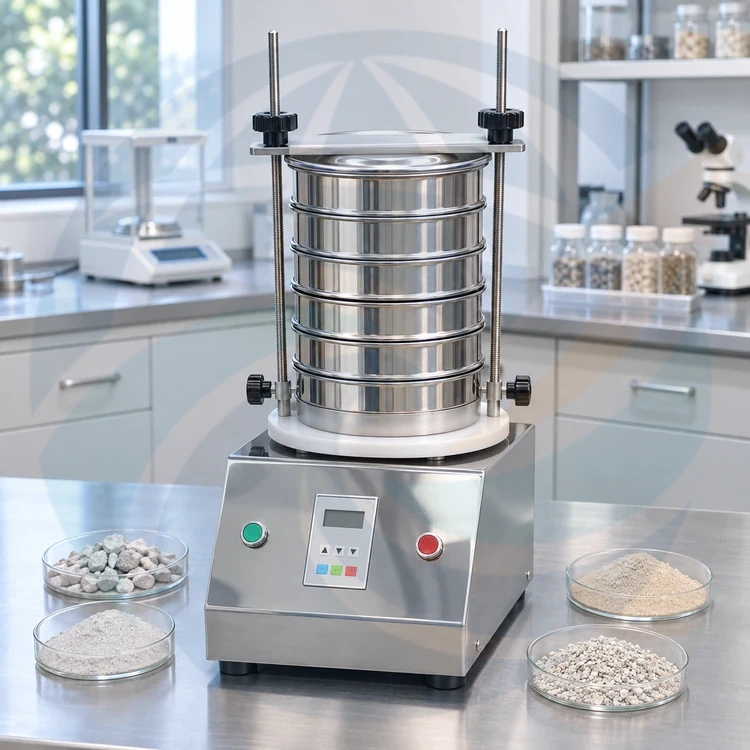
Laboratory Sieve Shaker for Minerals
Assess particle size distribution in mineral powders and crushed samples
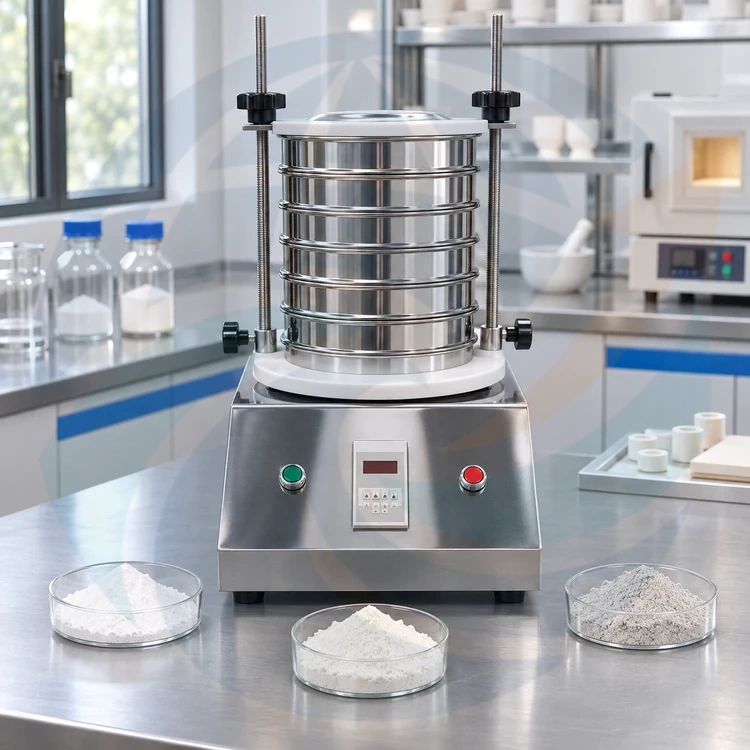
Test Sieve Shaker for Ceramics
Grade kaolin, alumina, and refractory powders during material testing
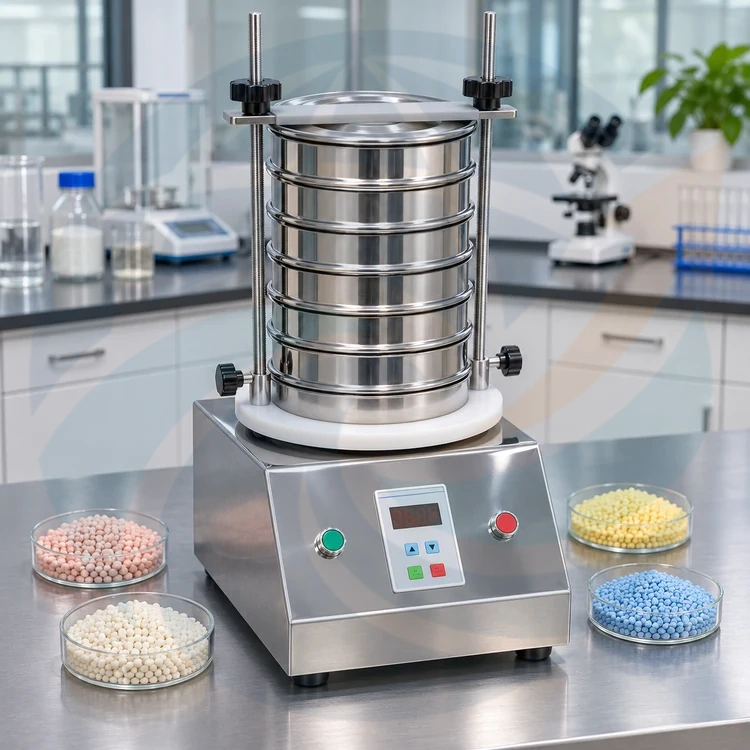
Sieve Shaker for Fertilizer Granules
Measure fertilizer granule size distribution to support quality control and consistency testing
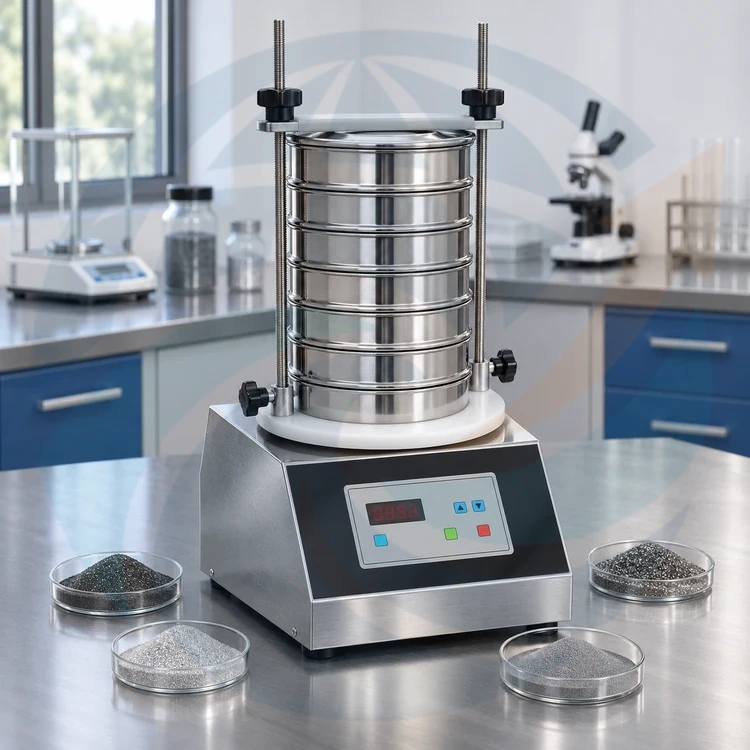
Sieve Shaker for Metal Powders
Test suitable metal powders with appropriate material safety measures
Sieve Shaker Screening Solutions by Material
Explore laboratory sieve testing solutions for different powders, granules, minerals, and sample materials
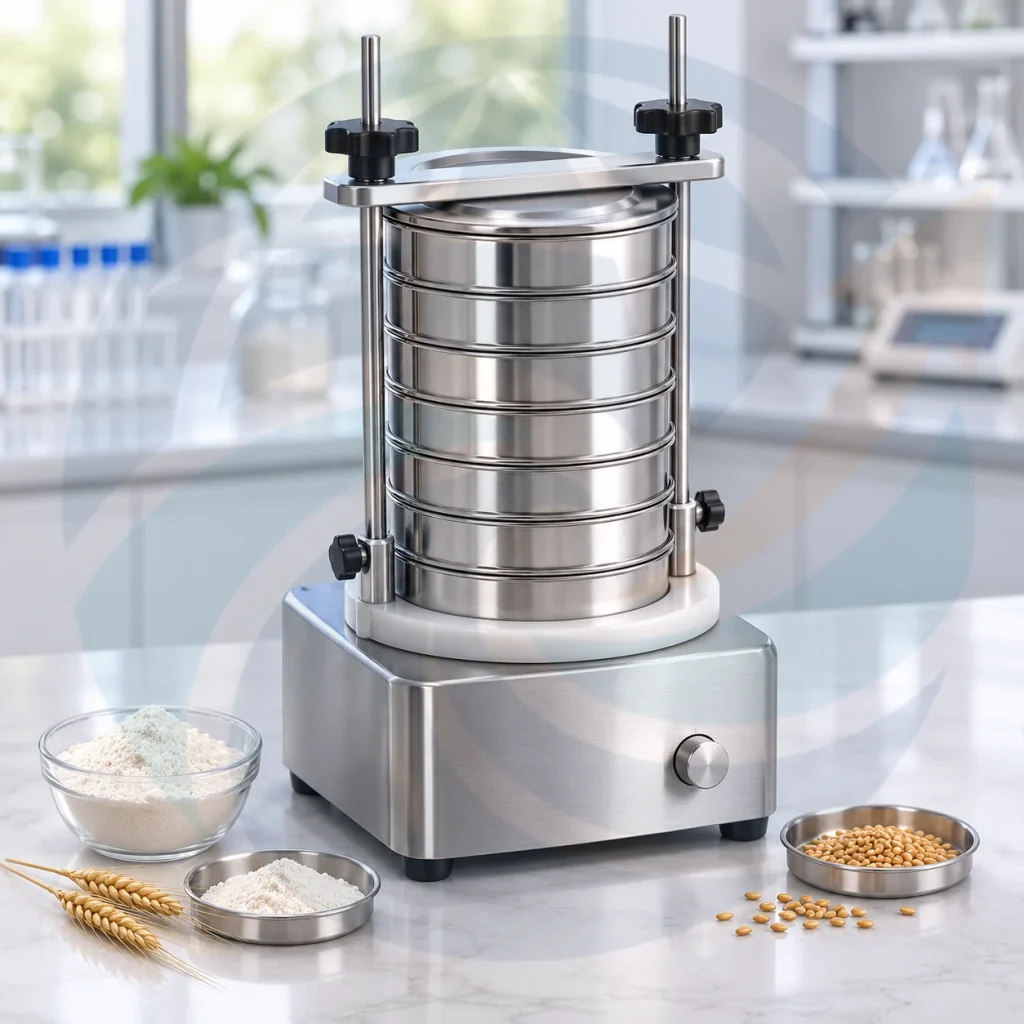
Sieve Shaker for Wheat Flour
Check wheat flour particle size and sample consistency during quality testing
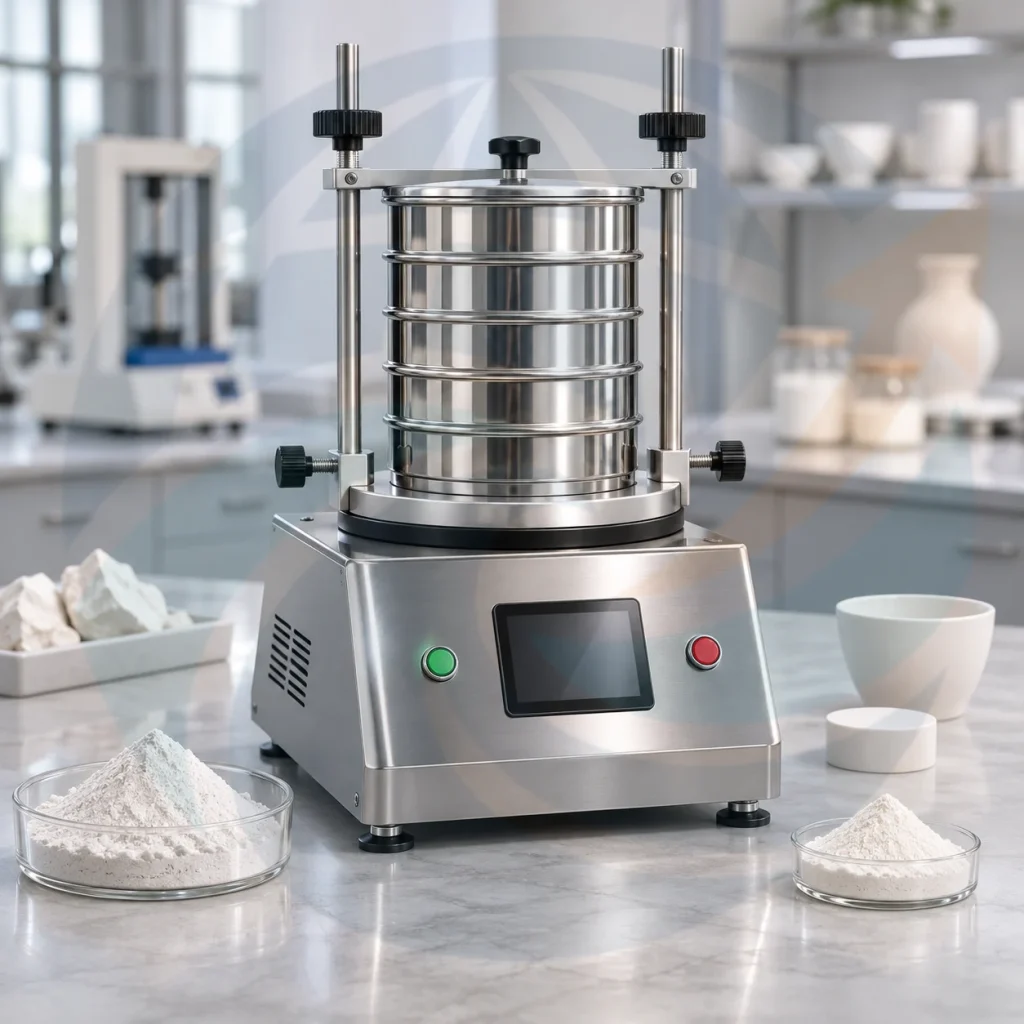
Sieve Shaker for Milk Powder
Evaluate milk powder particle size distribution during laboratory quality control
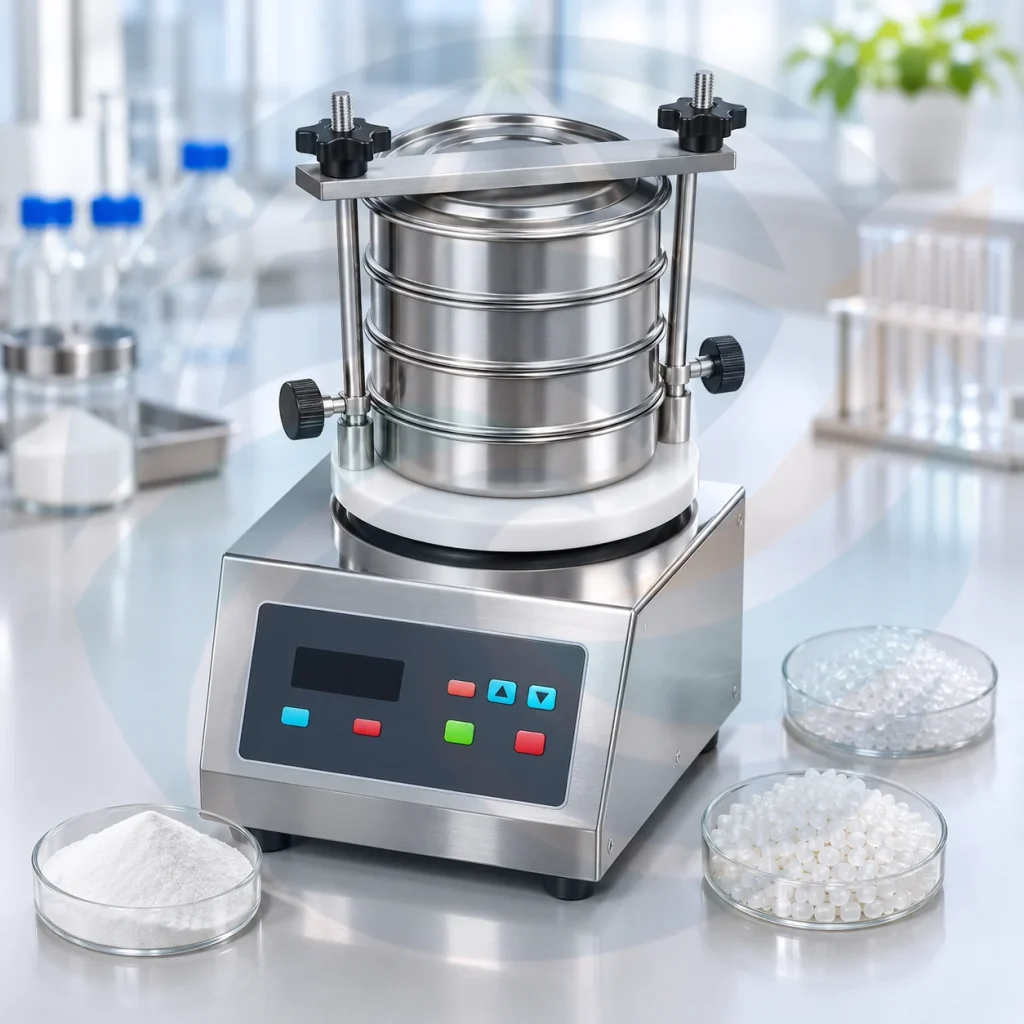
Sieve Shaker for PVC Resin
Analyze PVC resin powders and granules to assess particle size distribution
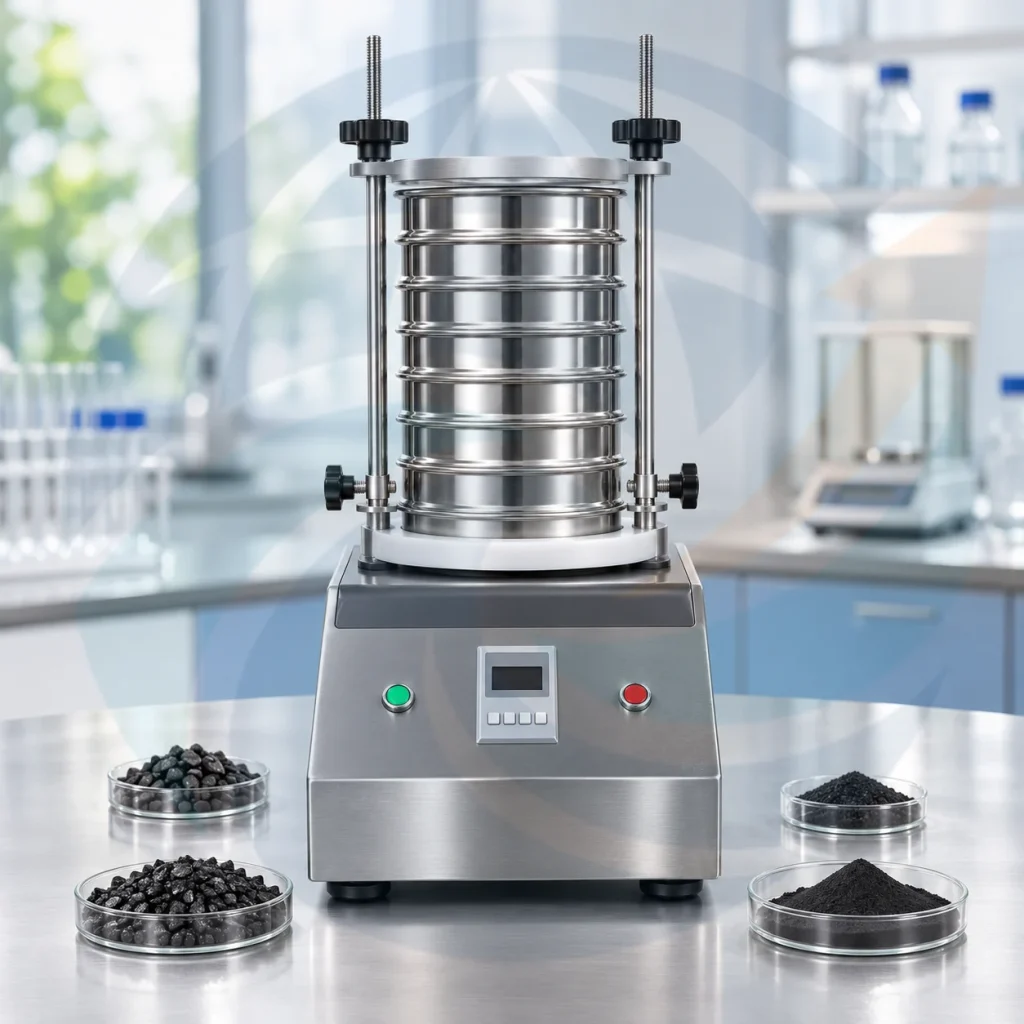
Sieve Shaker for Activated Carbon
Measure particle size fractions in suitable activated carbon powders and granules
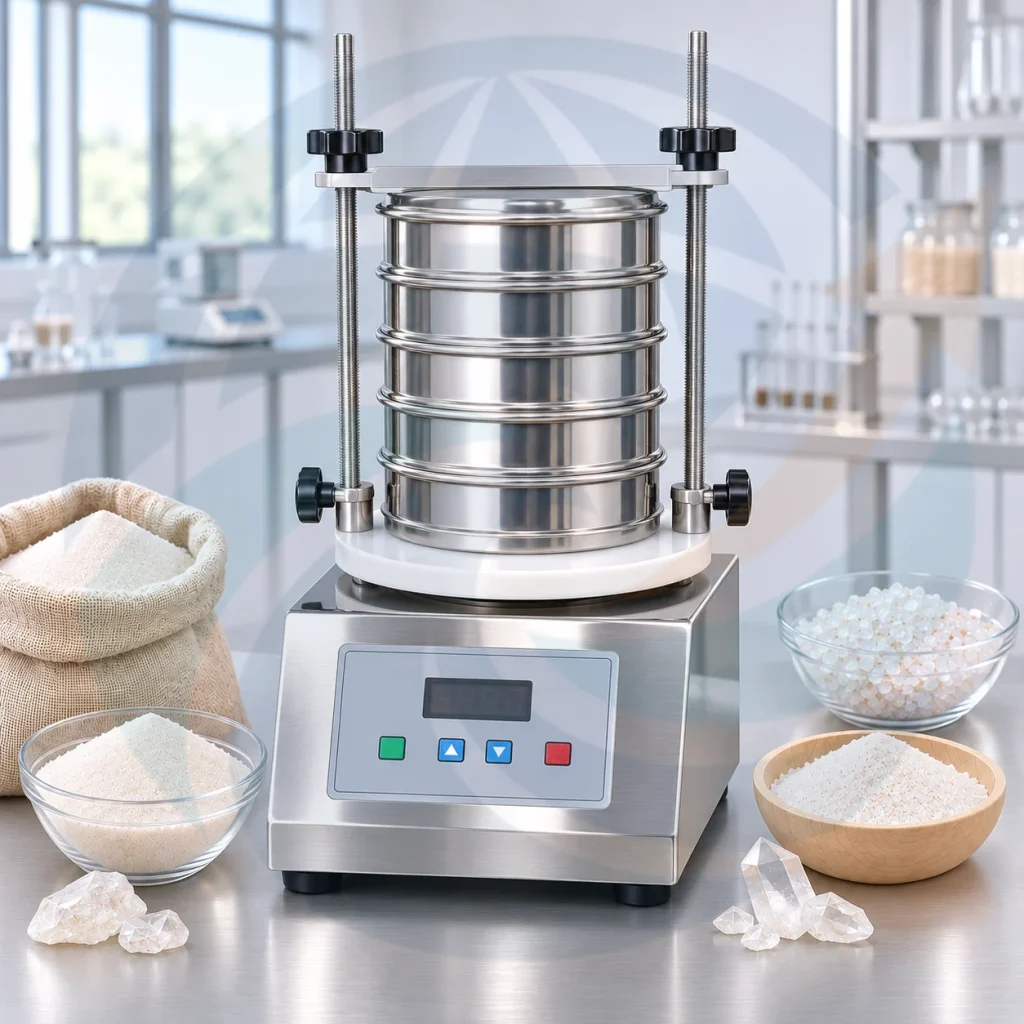
Test Sieve Shaker for Kaolin
Evaluate kaolin powder particle size distribution for ceramic material testing
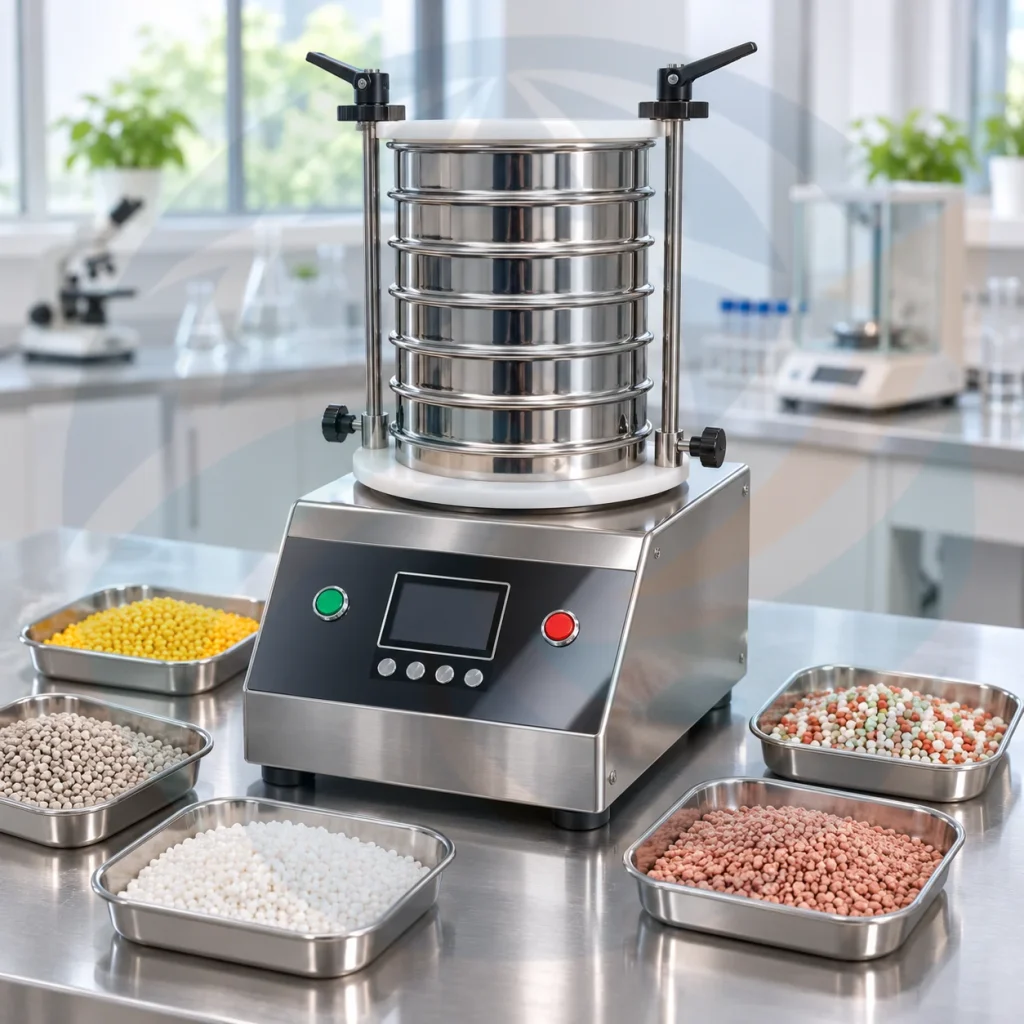
Sieve Shaker for Fertilizer Granules
Measure fertilizer granule size distribution to support laboratory quality control
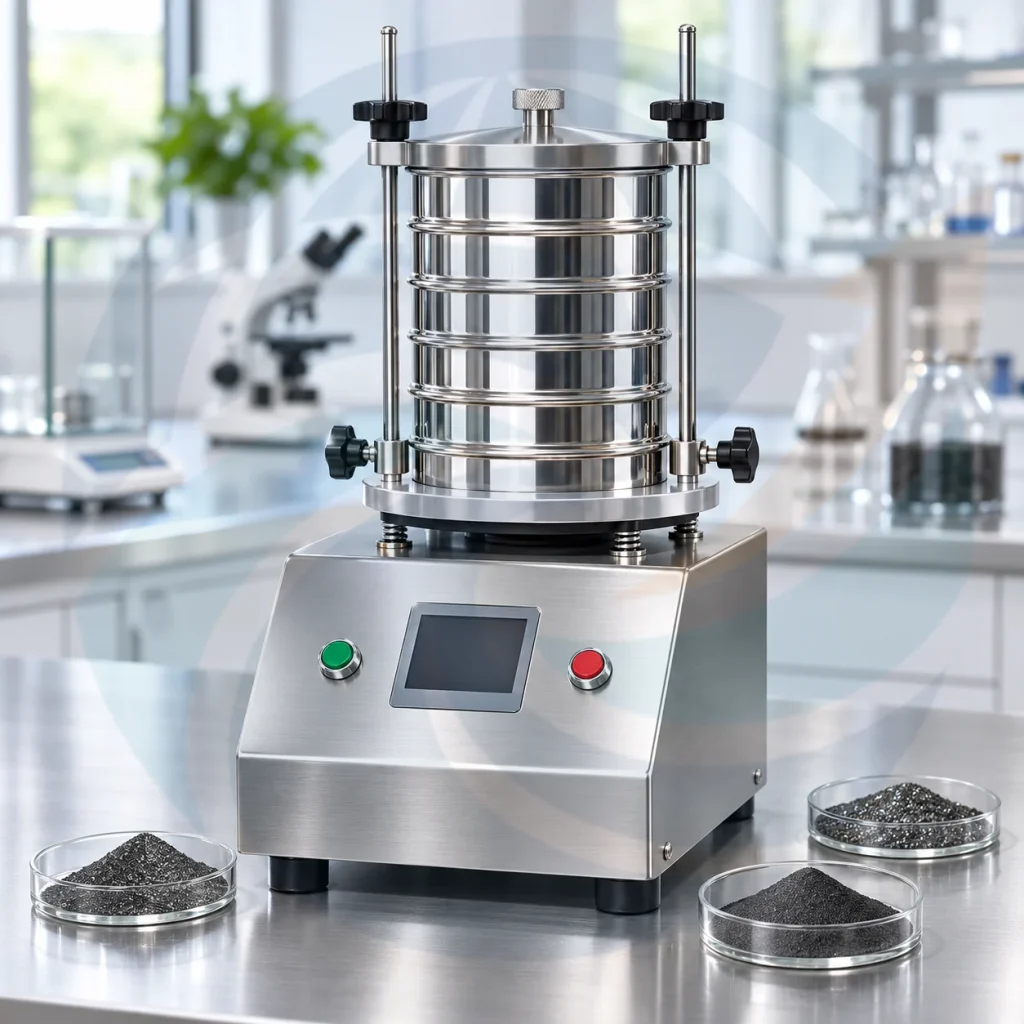
Test Sieve Shaker for Iron Powder
Analyze suitable iron powder samples under controlled laboratory testing conditions
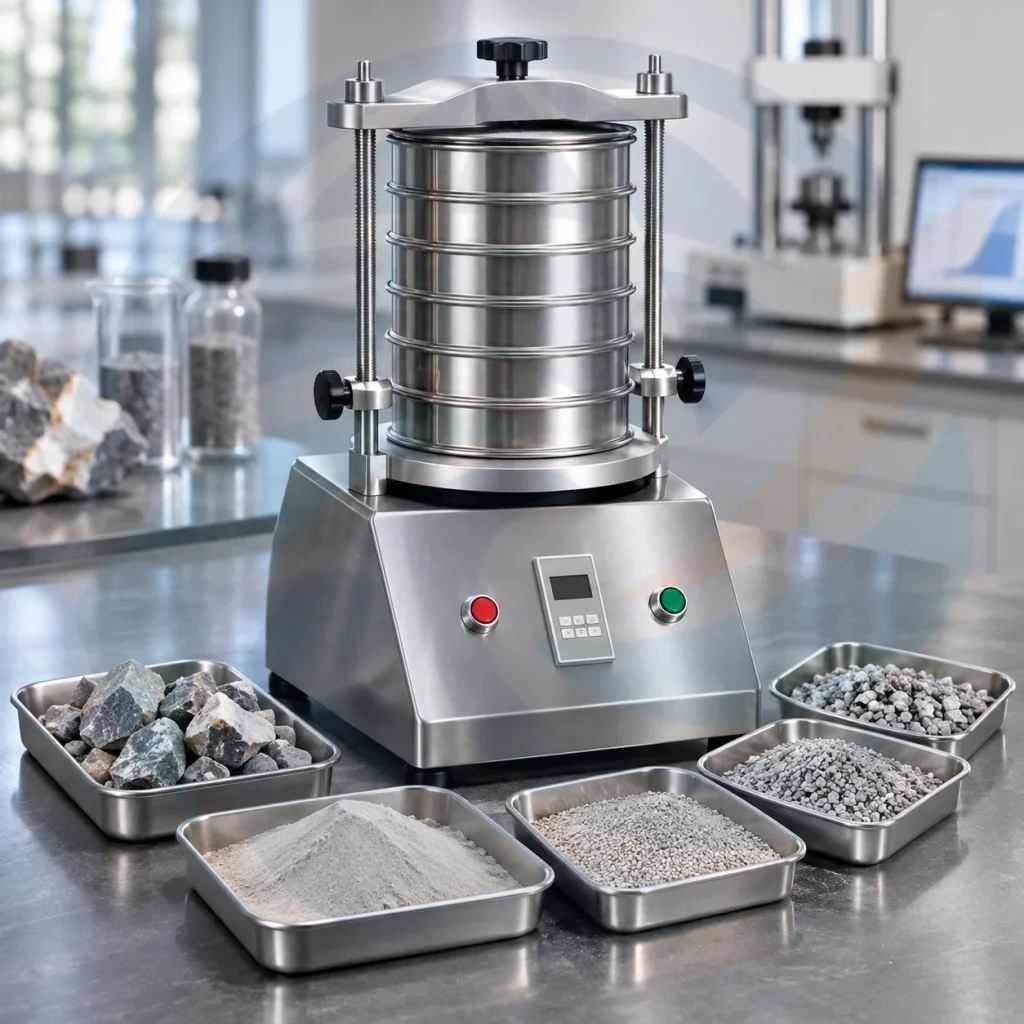
Sieve Shaker for Crushed Minerals
Separate crushed mineral samples into size fractions for laboratory analysis
Why Choose Our Laboratory Sieve Shaker?
HaoYuan offers laboratory sieve shakers for particle size analysis, sample preparation, and routine quality control. With compact benchtop designs and flexible test sieve configurations, our equipment supports laboratories, research facilities, and industrial testing applications.
Compact Benchtop Design
The compact structure saves laboratory space and allows convenient installation on testing benches.
Multi-Layer Particle Size Analysis
Stacked test sieves separate samples into different particle size fractions for further analysis and evaluation.
Convenient Operation & Maintenance
Accessible sieve assemblies make sample collection, screen cleaning, and routine maintenance more convenient
Flexible Sieve Shaker Configurations
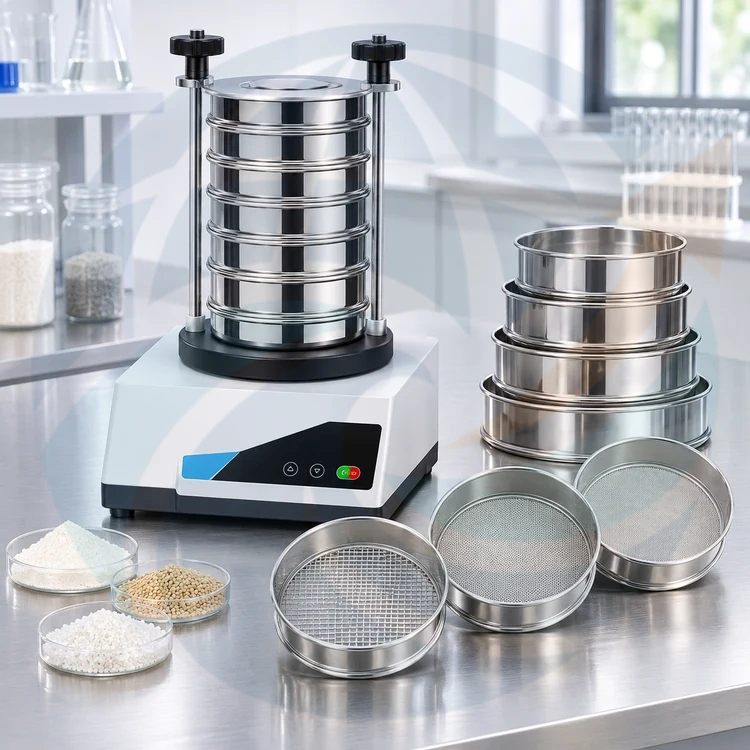
Different laboratory testing applications require different sieve diameters, mesh openings, and sample handling methods. HaoYuan offers flexible sieve shaker configurations to help laboratories select suitable equipment for their materials and testing requirements.
Test Sieve Selection
Choose suitable sieve diameters and mesh openings based on your sample particle size range and testing procedure.
Sieve Stack Configurations
Multiple test sieves can be arranged to separate samples into different particle size fractions during one testing process.
Testing Controls & Operation
Depending on the model, adjustable operating time and control functions can support different laboratory testing procedures.
For a suitable configuration, share your sample material, required particle size range, test sieve diameter, and applicable testing method.
What to Confirm Before Selecting a Sieve Shaker
HaoYuan helps you choose the right sieve shaker for your materials and testing needs
For reference, see the ASTM E11 standard for woven-wire test sieve specifications.
| Selection Factor | What to Consider |
|---|---|
| Sample Material | Type of powder, granules, sand, minerals, or other materials to be tested. |
| Testing Purpose | Particle size distribution, sample grading, quality control, or research testing. |
| Test Sieve Diameter | Required sieve diameter and compatibility with the shaker model. |
| Mesh Opening Size | Required sieve openings in micrometers (µm) or millimeters (mm). |
| Number of Sieves | Number of sieve layers needed for the required particle size fractions. |
| Sample Quantity | Sample mass per test and recommended loading for the selected sieve stack. |
| Sieving Method | Dry sieving requirements and any special material handling needs. |
| Operating Controls | Required sieving time and adjustable operating functions, depending on the model. |
| Test Standards | Applicable laboratory test methods and required sieve specifications. |
| Installation & Power | Available bench space, electrical supply, and laboratory operating conditions. |
Explore Related Equipment
Pengumpan Getar
Konveyor Rantai Seret
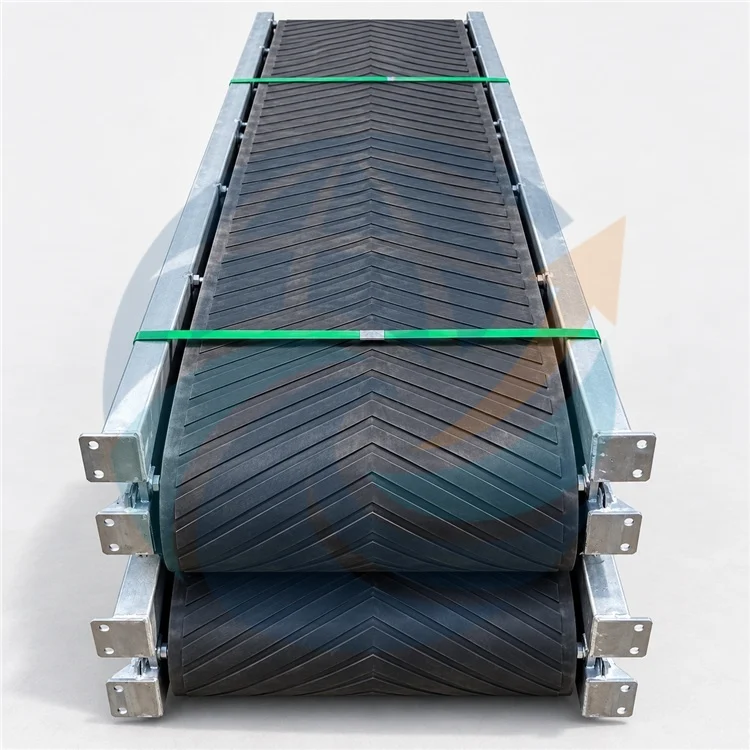
Konveyor Sabuk
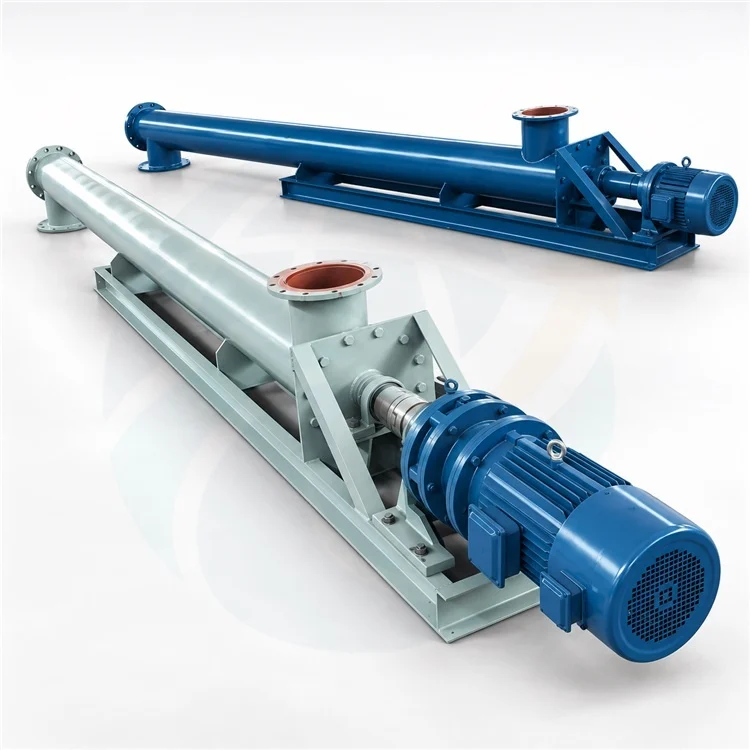
Konveyor Sekrup
Sieve Shaker FAQs
1. What is a sieve shaker used for?
A sieve shaker separates sample particles by size using a stack of test sieves. It is commonly used for particle size analysis, quality control, and laboratory material testing.
2. How does a laboratory sieve shaker work?
A sieve shaker uses controlled vibration or shaking to move samples through different sieve openings. Smaller particles pass through the mesh, while larger particles remain on the corresponding sieve layers.
3. What materials can be tested with a sieve shaker?
Sieve shakers can test suitable dry materials such as flour, sand, minerals, chemical powders, fertilizer granules, and metal powders. The testing method depends on the material properties.
4. What is the difference between a sieve shaker and a vibro sifter?
A laboratory sieve shaker is mainly used for small-sample particle size analysis. An industrial vibro sifter is generally designed for larger-scale material screening and separation during production.
5. How do I choose the right test sieve mesh size?
Choose mesh openings based on the expected particle size range and your testing method. Multiple sieve sizes can be combined to analyze particle size distribution.
6. How many test sieves can be used at one time?
The number of test sieves depends on the machine model, sieve dimensions, and sample requirements. HaoYuan can help you select a suitable sieve stack configuration.
7. What information is needed for a sieve shaker quotation?
Please share your sample material, required sieve diameter, mesh opening range, number of sieve layers, and testing requirements. Your power supply and applicable test standards are also helpful.
Sieve Shaker Inquiry
Tell HaoYuan about your samples and testing requirements
 English
 French
 German
 Indonesian
 Korean
 Malay
 Japanese