
Bulk Material Conveyors
Move powders, granules and bulk solids between process stages
Find a Bulk Material Conveyor for Your Process
Choosing the right conveyor starts with your material, required capacity and transfer route. Screw and belt conveyors suit different bulk materials, layouts and operating conditions.
Share your material, throughput, conveying distance and inlet/outlet heights. HaoYuan can help review suitable equipment configurations and supply requirements.
Explore Conveyor Types
Discover conveying equipment for transferring powders, granules and bulk materials between production stages
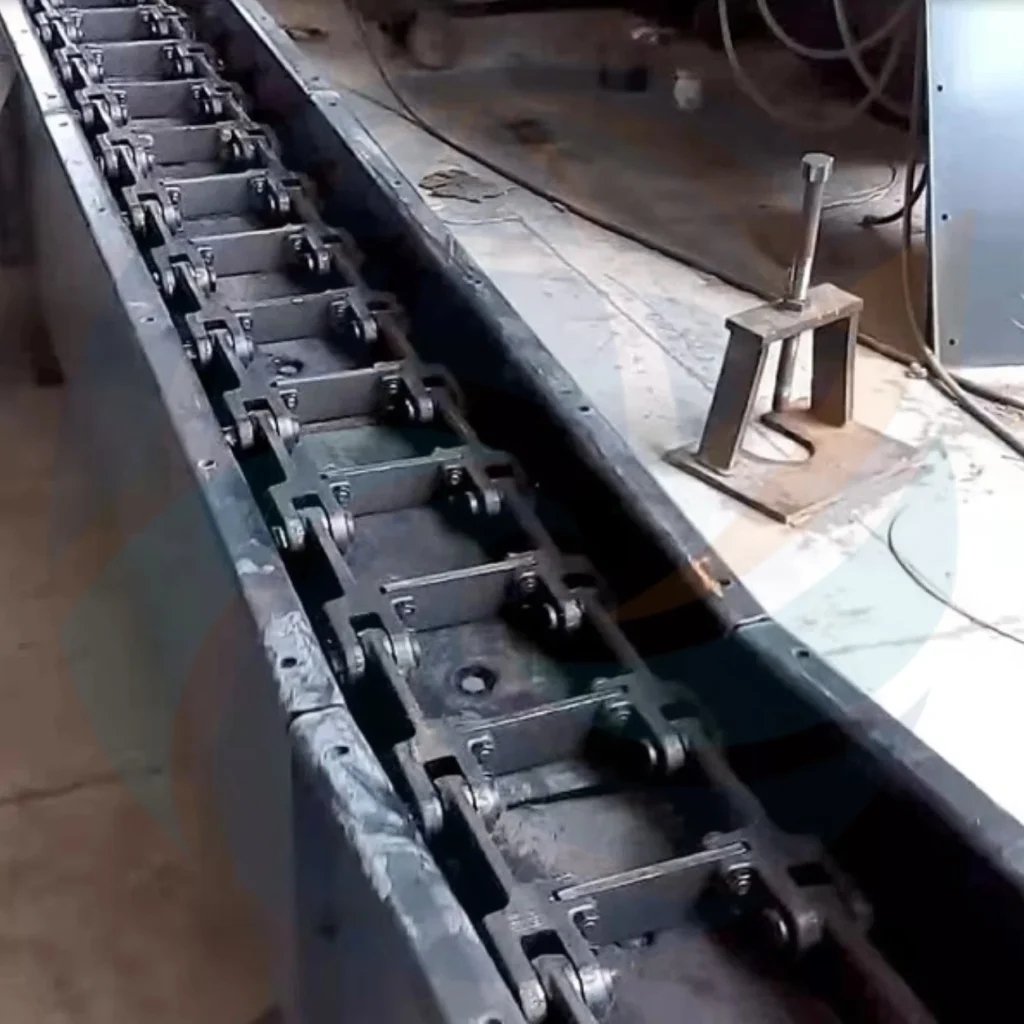
Drag Chain Conveyors
Move bulk solids through a trough using a chain and scraper flights
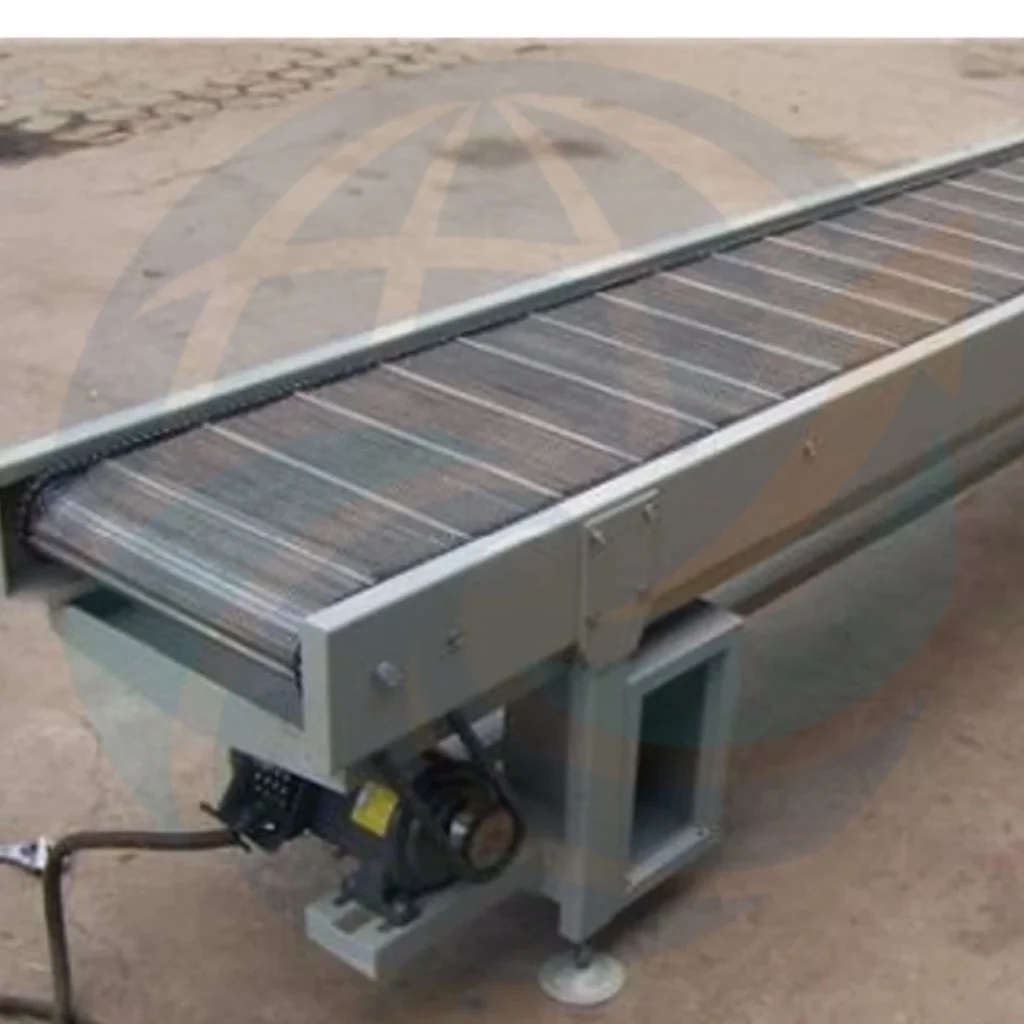
Chain Plate Conveyors
Carry materials on linked plates along a defined conveying route
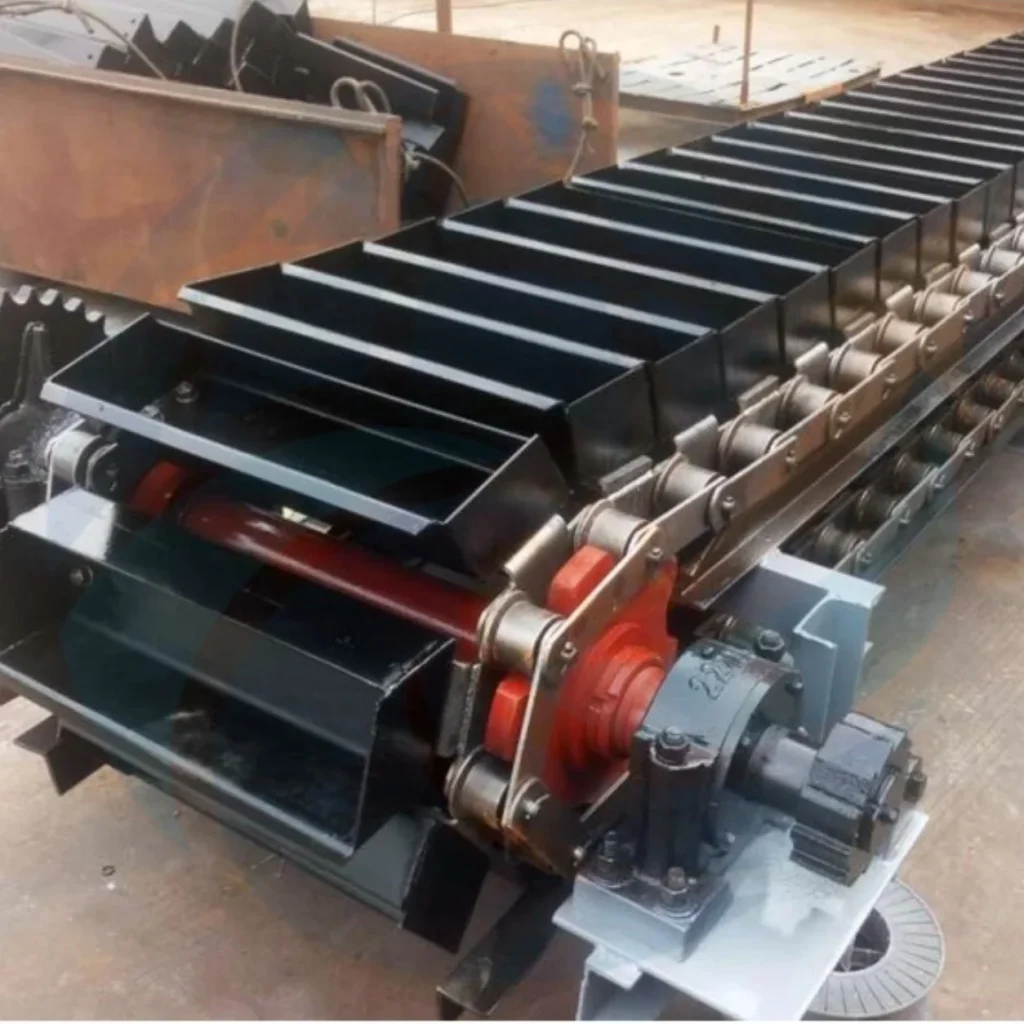
Chain Bucket Conveyors
Carry bulk solids in chain-driven buckets along horizontal or inclined routes
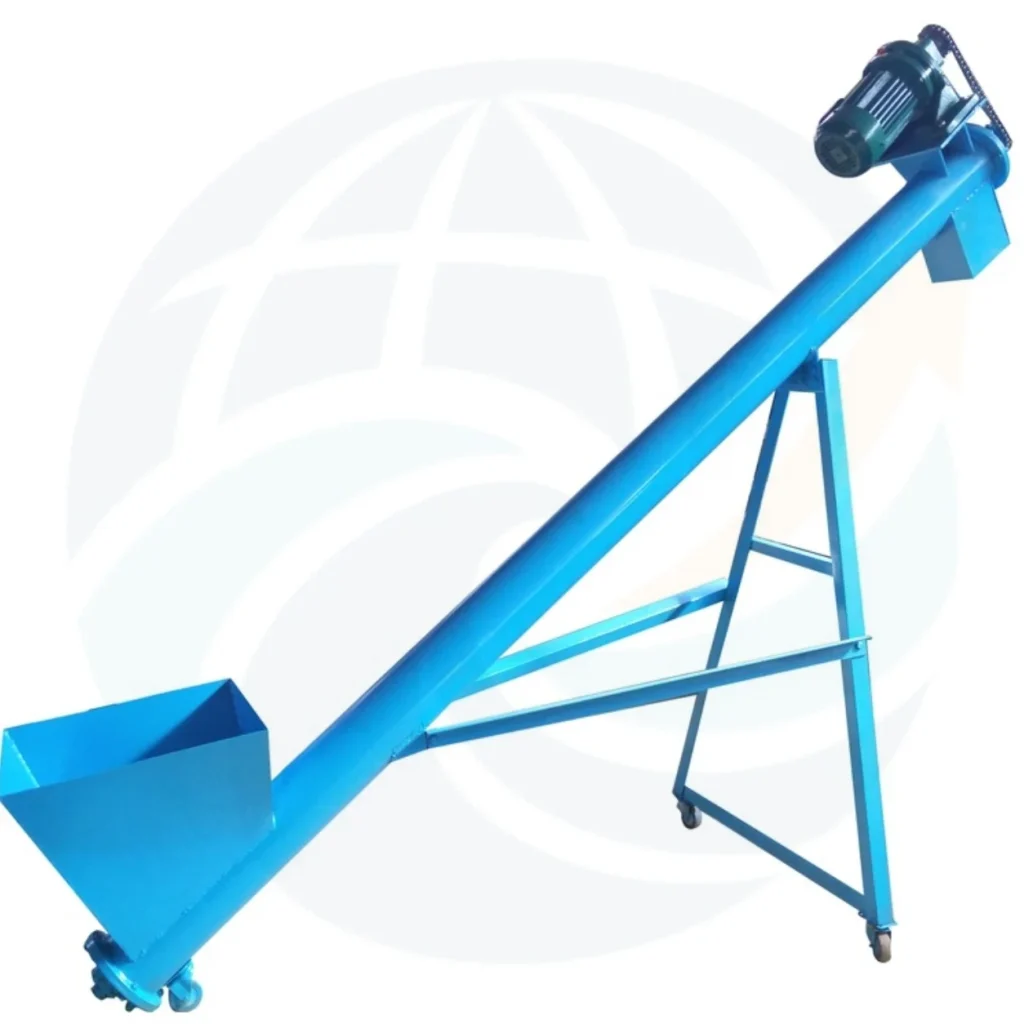
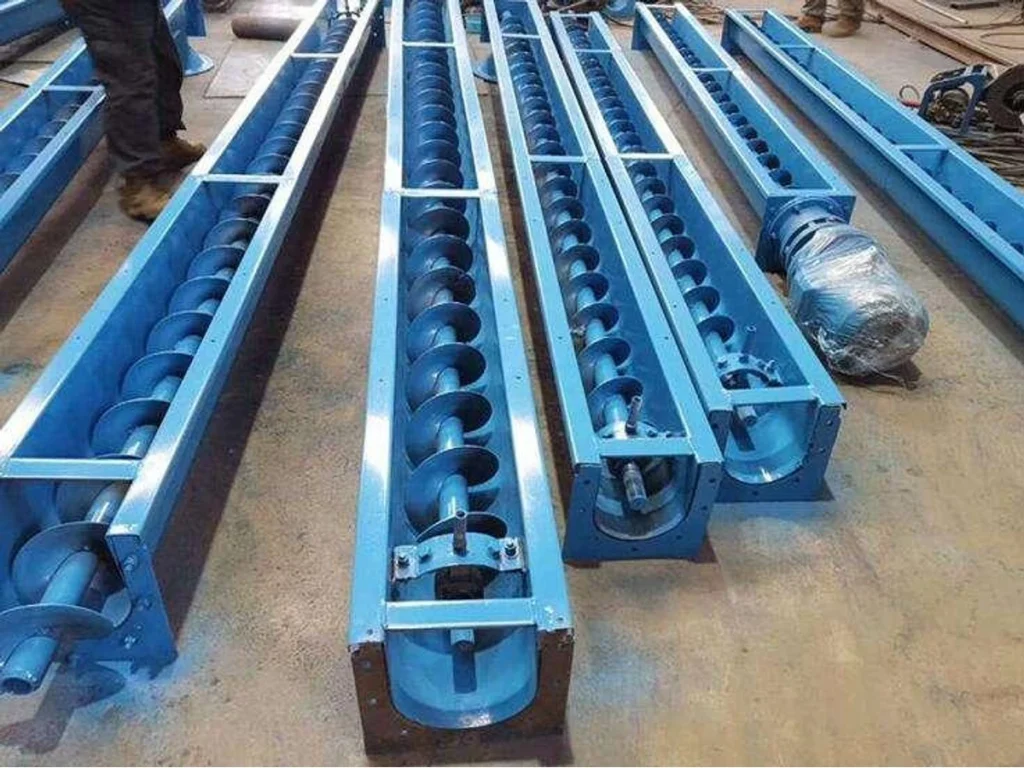
Screw Conveyors
Move bulk materials through a tube or trough using a rotating screw
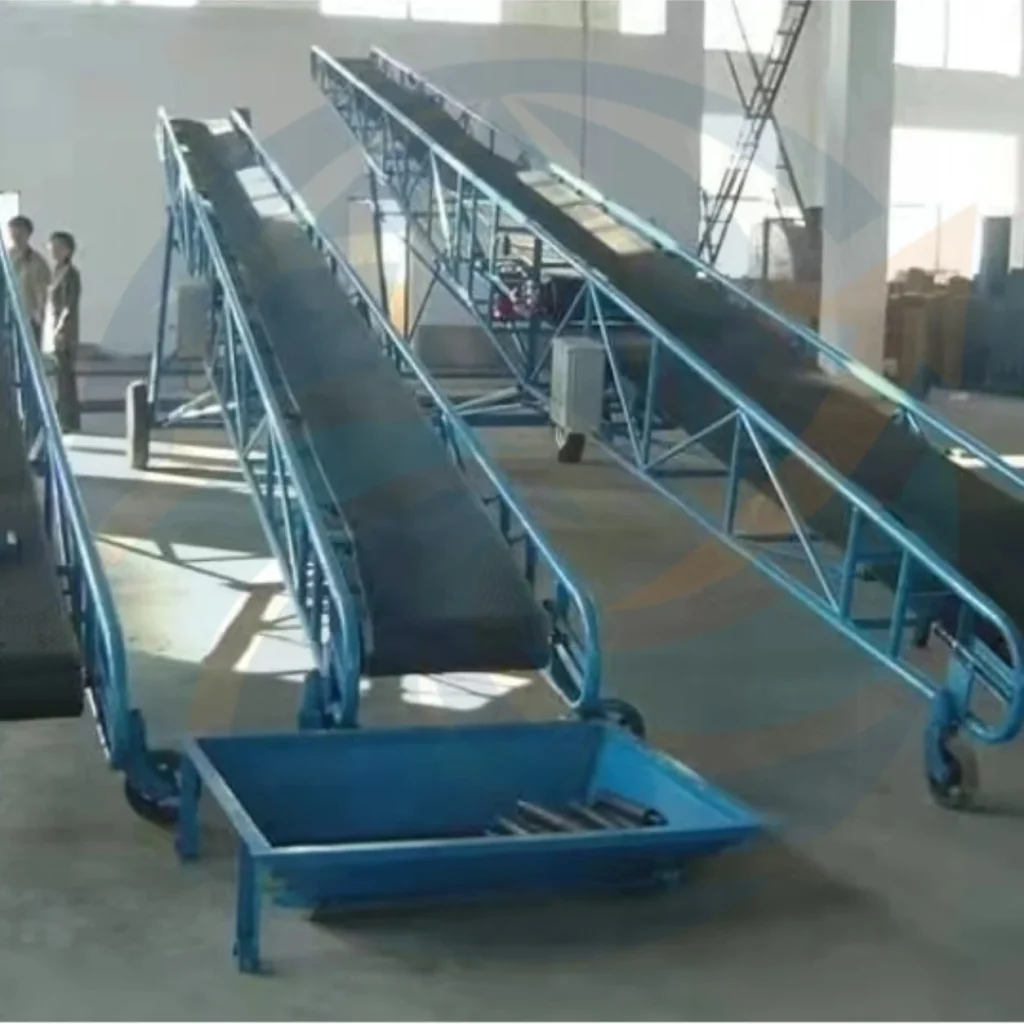
Belt Conveyors
Transfer bulk materials on a continuous belt between process stages
How to Choose a Bulk Material Conveyor
Start with Your Material
Choosing the right conveyor starts with understanding your material and conveying requirements.
Key factors to consider:
Material type, particle size and flowability
Required conveying capacity
Conveying distance and lifting height
Available space and equipment connections
Share these details to help identify suitable conveying equipment.
Choose the Right Conveying Method
Different materials and production layouts require different conveying methods.
Screw conveyors are commonly used for enclosed transfer of suitable powders and granules, while belt conveyors are often selected for continuous movement of bulk materials over longer distances.
The final choice depends on your material properties, required capacity and installation conditions.
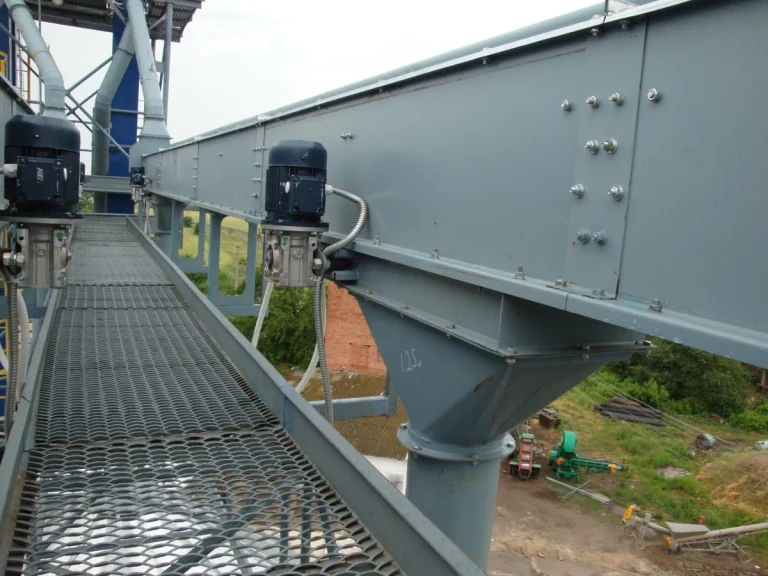
What to Confirm Before Selecting a Conveyor
Review these key requirements to help identify suitable conveying equipment for your material and production process.
| Information | Apa yang perlu dikonfirmasi |
|---|---|
| Material | Material name, particle size, bulk density, moisture and flowability |
| Conveying Capacity | Required throughput (kg/h or t/h) |
| Conveying Distance | Horizontal distance and total conveying route |
| Inclination & Lift | Required inclination angle and elevation change |
| Installation | Available space, inlet/outlet positions and power supply |
| Contact Materials | Material grade, wear resistance and cleaning requirements |
| Process Connections | Upstream and downstream equipment and layout requirements |
| Operating Conditions | Operating hours, dust conditions and relevant safety requirements |
Connect Conveying with the Rest of Your Process
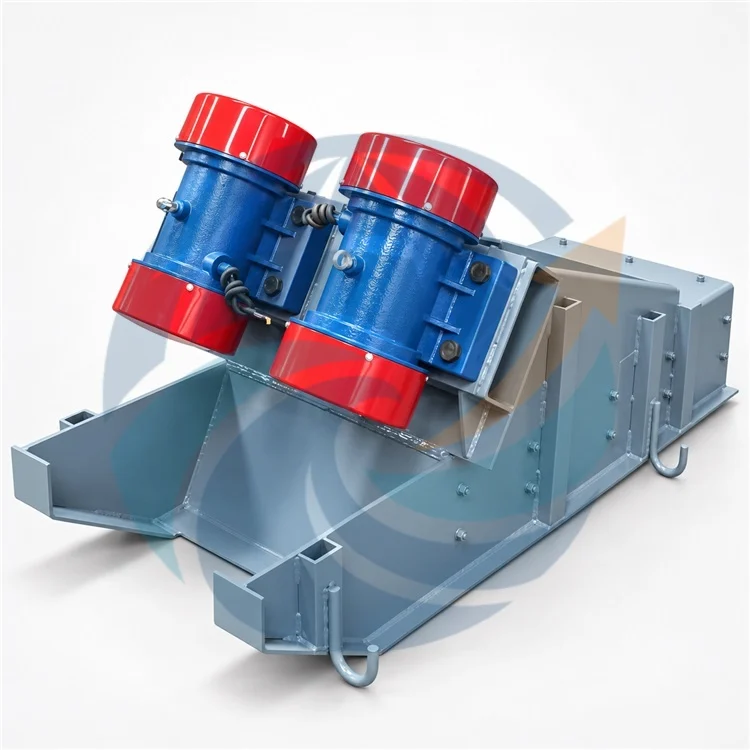
Pengumpan Getar
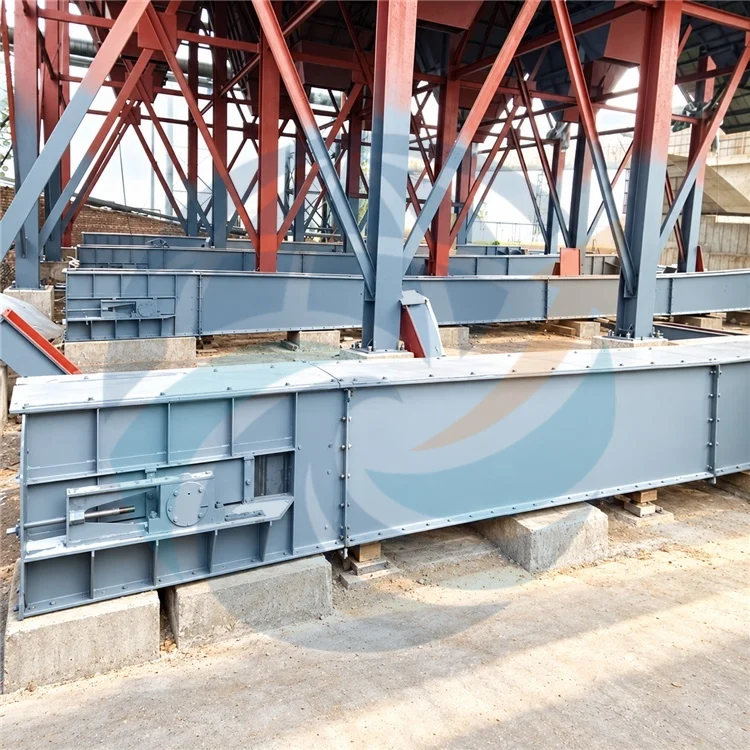
Konveyor Rantai Seret
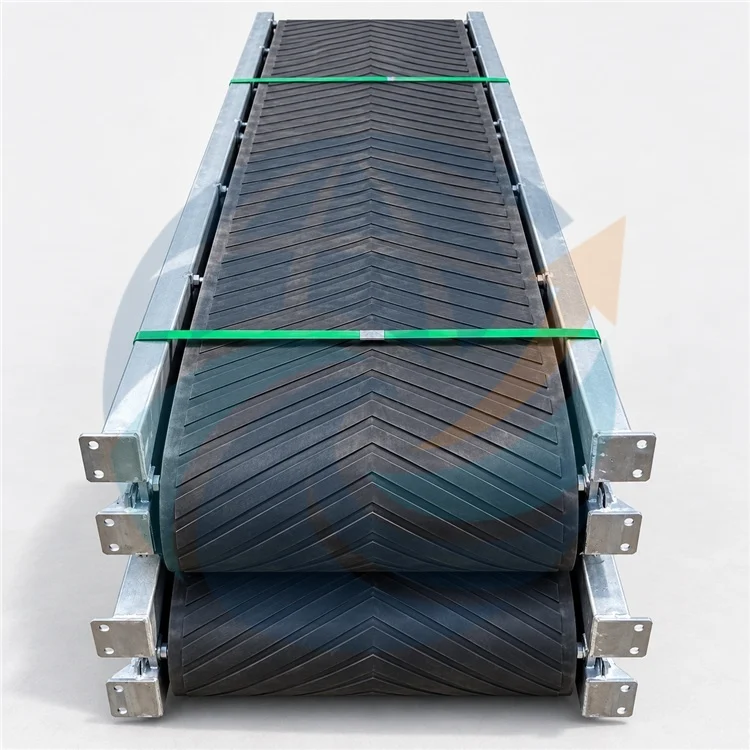
Konveyor Sabuk
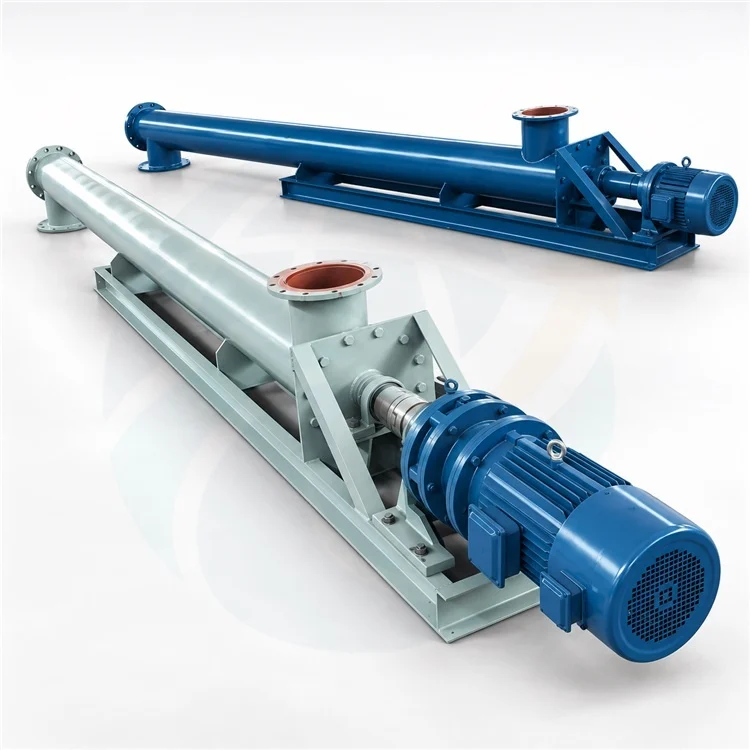
Konveyor Sekrup
Bulk Material Conveyor FAQs
1.How do I choose the right bulk material conveyor?
Choosing a conveyor depends on your material properties, required capacity, conveying distance and installation conditions. Bulk density, moisture, particle size and flowability should also be considered.
2. What is the difference between a screw conveyor and a belt conveyor?
Screw conveyors use a rotating screw to move suitable materials through a tube or trough. Belt conveyors use a continuous belt to transport bulk materials along a conveying route. The best option depends on your material and process requirements.
3. Can conveyors transport powders and granules?
Yes. Both powders and granules can be conveyed using suitable equipment. The conveyor type and configuration depend on material characteristics, required throughput and operating conditions.
4. Can conveyor dimensions and configurations be customized?
Depending on the equipment model, available options may include conveying length, inclination, inlet and outlet positions, contact materials and motor specifications. Final configurations are confirmed according to your requirements.
5. Can conveyors be used for inclined or vertical material transfer?
Some conveyors can operate at an incline, but the allowable angle depends on the equipment design and material properties. For significant vertical lifting, a bucket elevator or another suitable system may be more appropriate.
6. What information is needed for a conveyor quotation?
Please provide your material name, bulk density, required capacity, conveying distance, lifting height and available installation space. Material photos or layout drawings can help us review suitable equipment options.
Discuss Your Conveying Requirements
Tell us what you need to move and where it needs to go.
 English
 French
 German
 Indonesian
 Korean
 Malay
 Japanese